

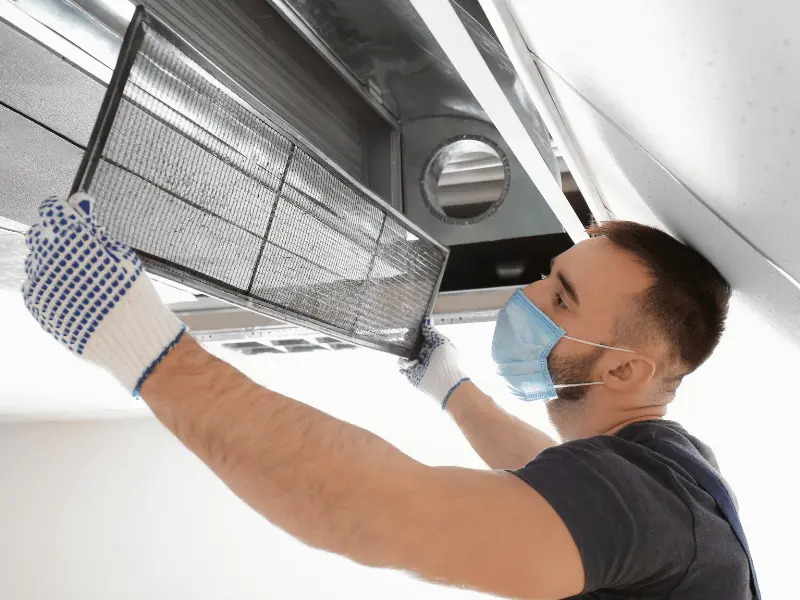
When people admire a beautifully designed building, they usually notice the architecture, luxurious interiors, elegant lighting, or premium finishes. However, what they don’t see is the complex network of systems working behind the walls, ceilings, and floors that make the building functional every single day.
Imagine investing millions in a luxury villa, commercial office, hotel, or retail space in Dubai. The project is completed on schedule, the interiors look exceptional, and every finish appears flawless. Yet within a few months, occupants begin experiencing inconsistent air conditioning, electrical failures during peak demand, poor water pressure, plumbing leaks, or rising energy bills.
Despite looking perfect, the building has failed where it matters most.
This is why experienced construction professionals often say that MEP engineering determines the real success of a building.
Mechanical, Electrical, and Plumbing (MEP) systems are the invisible backbone of modern construction. They regulate indoor comfort, distribute electricity safely, manage water supply and drainage, provide fire protection, and ensure every space functions as intended.
While architectural design creates a building’s visual identity, MEP engineering determines how efficiently, safely, and reliably it performs throughout its entire lifecycle.
Whether you’re developing a residential villa, commercial tower, healthcare facility, hospitality project, or industrial complex, investing in quality MEP engineering can significantly reduce operational costs, improve occupant comfort, enhance sustainability, and protect your long-term investment.
In this guide, we’ll explore why MEP engineering is often considered the most critical factor in construction success, how it impacts every stage of a project, and why early planning and coordination are essential—especially for projects in Dubai’s demanding construction environment.
What Is MEP Engineering?
MEP Engineering stands for Mechanical, Electrical, and Plumbing Engineering. It involves designing, coordinating, installing, and maintaining the essential building systems that allow a structure to function safely and efficiently.
Although these systems remain largely hidden once construction is complete, they influence nearly every aspect of a building’s daily operation.
Mechanical Systems
Mechanical systems primarily include Heating, Ventilation, and Air Conditioning (HVAC). Their purpose extends far beyond cooling indoor spaces.
A well-designed mechanical system:
- Maintains comfortable indoor temperatures
- Controls humidity levels
- Provides fresh air ventilation
- Improves indoor air quality
- Reduces energy consumption
- Supports healthy working and living environments
In Dubai, where cooling systems operate for most of the year, HVAC design has a direct impact on energy efficiency and operating costs. Even small design improvements can produce significant long-term savings.
Electrical Systems
Electrical engineering ensures that power is distributed safely and efficiently throughout a building.
These systems include:
- Main power distribution
- Interior and exterior lighting
- Emergency lighting
- Backup generators
- Fire alarm systems
- Security systems
- CCTV
- Data and communication networks
- Smart building automation
As buildings become increasingly connected through IoT devices and intelligent building management systems, electrical engineering has evolved far beyond simply supplying electricity.
Today’s electrical systems must support future technologies while maintaining safety, reliability, and efficiency.
Plumbing Systems
Plumbing engineering manages every aspect of water movement throughout a building.
This includes:
- Domestic water supply
- Hot water systems
- Drainage
- Sewage disposal
- Stormwater drainage
- Water storage
- Irrigation systems
- Water conservation solutions
Poor plumbing design often leads to recurring maintenance issues, water damage, reduced hygiene standards, and expensive repairs.
Proper engineering ensures reliable performance while minimizing water waste—a growing priority across the UAE.
Modern MEP Engineering Goes Beyond the Basics
Today’s buildings require much more than traditional HVAC, electrical, and plumbing systems.
Modern MEP engineering often integrates:
- Fire fighting systems
- Fire suppression
- Smoke management
- Building Management Systems (BMS)
- Smart automation
- Renewable energy integration
- Solar power systems
- Energy monitoring
- EV charging infrastructure
- Low-current systems
- Access control
- Sustainability strategies
Rather than functioning independently, these systems must operate together seamlessly.
This is why successful MEP engineering is based on coordination, not simply installation.
Why Good MEP Work Defines 70% of Your Project Success
While “70%” should not be interpreted as a scientific measurement, it accurately reflects how many industry professionals view the importance of MEP systems in determining whether a building performs successfully after construction.
Think about it.
A building’s structure may stand for decades, but people interact with its MEP systems every single day.
Occupants experience:
- Air quality
- Room temperature
- Lighting levels
- Water pressure
- Elevator performance
- Fire safety
- Internet connectivity
- Energy efficiency
All of these depend on properly engineered building services.
In other words, architecture may attract attention—but MEP engineering determines whether people enjoy using the building.
1. Occupant Comfort Depends on MEP
Comfort is one of the first indicators of a successful building.
Even visually stunning spaces quickly lose their appeal if occupants experience:
- Uneven cooling
- Excessive humidity
- Poor ventilation
- Glare from inefficient lighting
- Inconsistent hot water
- Noise from mechanical equipment
In commercial offices, poor indoor comfort can reduce employee productivity.
In hotels, it affects guest satisfaction.
In hospitals, it impacts patient recovery.
In residential properties, it influences everyday quality of life.
Proper MEP engineering creates indoor environments where people can work, live, shop, and relax comfortably throughout the year.
2. Safety Starts with Proper Engineering
Every building must protect the people inside it.
MEP systems play a major role in achieving this.
Electrical engineering reduces risks associated with overloads, short circuits, and power failures.
Mechanical systems manage smoke extraction and emergency ventilation during fire events.
Plumbing systems support fire protection through sprinkler networks, fire pumps, and hydrants.
Emergency lighting, fire alarms, and backup power systems further improve occupant safety during unexpected situations.
Without properly designed MEP systems, even structurally sound buildings may fail to meet essential safety standards.
3. Energy Efficiency Begins During Design
One of the biggest misconceptions is that energy efficiency depends only on installing efficient equipment.
In reality, energy performance starts during the design phase.
Experienced MEP engineers consider factors such as:
- Cooling load calculations
- Equipment sizing
- Building orientation
- Ventilation requirements
- Lighting efficiency
- Occupancy patterns
- Building automation
- Renewable energy opportunities
Correctly sized systems consume less electricity, require less maintenance, and operate more reliably over time.
For buildings in Dubai, where cooling represents one of the largest operational expenses, these design decisions have a lasting financial impact.
4. MEP Engineering Protects Your Investment
Many developers focus heavily on reducing construction costs without considering long-term operating expenses.
However, the majority of a building’s lifetime costs occur after construction is complete.
High-quality MEP engineering helps reduce:
- Energy consumption
- Equipment replacement costs
- Emergency maintenance
- Unexpected downtime
- Repair expenses
- Water wastage
Instead of viewing MEP as another construction cost, successful property owners recognise it as one of the most valuable long-term investments in the project.
5. Better Coordination Means Better Projects
Modern construction projects involve architects, structural engineers, interior designers, contractors, consultants, suppliers, and specialist subcontractors.
Without effective coordination, conflicts between building systems become inevitable.
For example:
- Air conditioning ducts may clash with structural beams.
- Electrical cable trays may interfere with plumbing pipes.
- Fire sprinkler lines may obstruct lighting fixtures.
- Maintenance access may be blocked by poorly positioned equipment.
Resolving these issues during construction often results in delays, redesigns, and additional costs.
This is why experienced MEP engineers use Building Information Modelling (BIM) and coordinated 3D design to identify clashes before construction begins, saving both time and money.
The Hidden Cost of Poor MEP Engineering
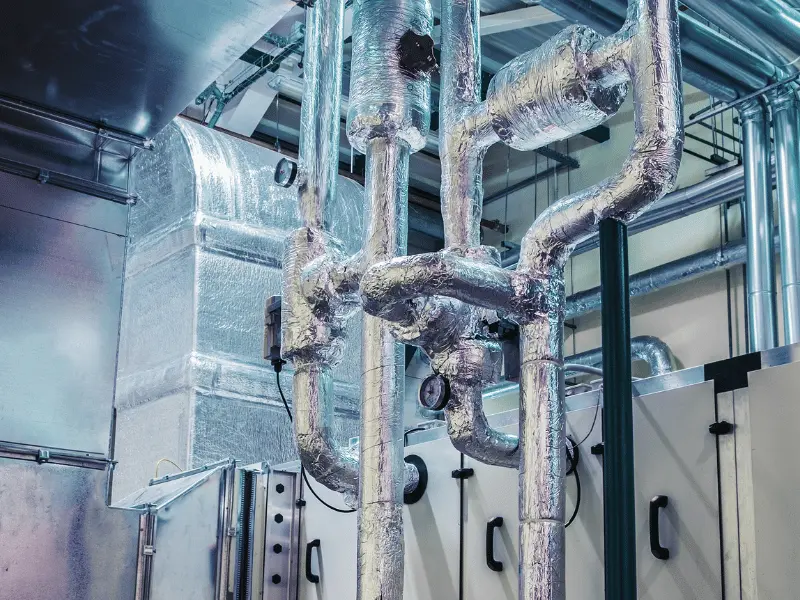
Many construction projects focus heavily on architectural aesthetics and structural integrity, but the long-term performance of a building depends just as much on the quality of its Mechanical, Electrical, and Plumbing (MEP) systems. When MEP engineering is rushed, poorly coordinated, or treated as an afterthought, the consequences can affect every stage of the project—from construction and commissioning to day-to-day operation.
Unlike visible construction defects, MEP issues often remain hidden until the building is occupied. By then, fixing them is significantly more expensive and disruptive.
Construction Delays and Expensive Rework
Poor coordination between architects, structural engineers, interior designers, and MEP engineers is one of the leading causes of project delays.
For example, imagine a commercial office building where large HVAC ducts are installed only to discover they clash with structural beams. The contractor must stop work, redesign the duct routing, remove completed installations, and reinstall the system.
Similar issues can occur when:
- Electrical conduits interfere with plumbing pipes.
- Fire sprinkler systems conflict with decorative ceiling designs.
- Mechanical equipment doesn’t fit within the allocated plant room.
- Maintenance access is blocked by other building services.
Each clash increases labour costs, wastes materials, and extends project timelines.
This is why successful projects invest in early MEP coordination rather than solving problems on-site.
Higher Operating Costs Throughout the Building’s Life
The impact of poor MEP engineering doesn’t end after construction.
Improperly designed systems often lead to:
- High electricity consumption
- Frequent equipment breakdowns
- Increased maintenance costs
- Premature replacement of mechanical equipment
- Water wastage
- Poor indoor environmental quality
For example, an oversized HVAC system cycles on and off more frequently than necessary. While many assume larger equipment performs better, it actually consumes more energy, wears out faster, and struggles to maintain consistent indoor comfort.
Similarly, poorly planned plumbing systems may suffer from pressure fluctuations, drainage issues, or recurring leaks that damage interior finishes and disrupt building operations.
Good MEP engineering minimizes these long-term costs by ensuring every system is properly sized, efficiently integrated, and designed for ease of maintenance.
Reduced Occupant Comfort and Productivity
A building may appear visually stunning, but occupants quickly notice operational issues.
Common complaints include:
- Rooms that are too hot or too cold
- Poor indoor air quality
- Excessive humidity
- Flickering lights
- Low water pressure
- Noise from mechanical equipment
- Unpleasant odours from drainage systems
These seemingly small problems can have a major impact on occupant satisfaction.
In offices, poor ventilation and inconsistent temperatures can reduce employee productivity.
In hotels, guest comfort directly influences reviews and repeat bookings.
In healthcare facilities, indoor air quality plays an essential role in patient wellbeing.
For residential developments, these issues reduce the overall living experience and property value.
Why MEP Engineering Is Even More Important in Dubai
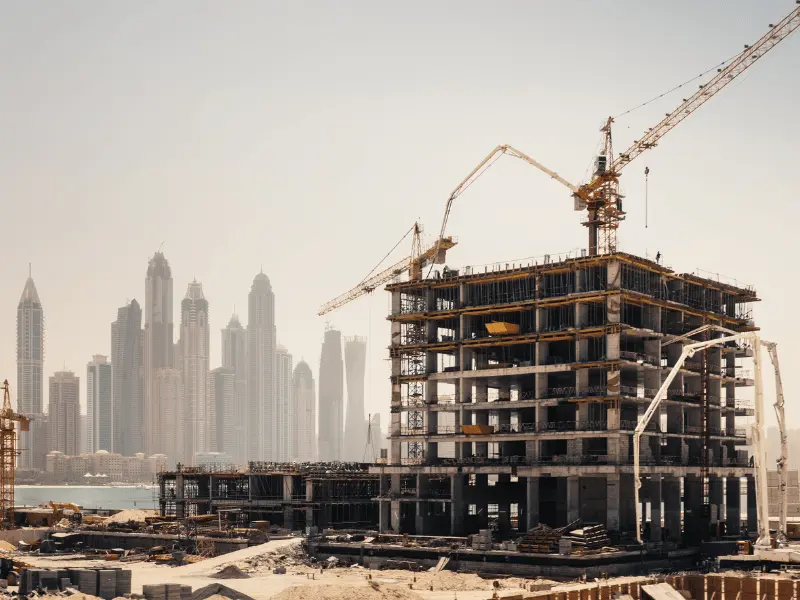
Every city presents unique construction challenges, but Dubai places exceptional demands on building services.
From extreme summer temperatures and high-rise developments to strict regulatory requirements and sustainability goals, MEP engineering plays a critical role in ensuring buildings operate efficiently throughout the year.
Extreme Climate Requires Intelligent Mechanical Design
Dubai’s climate is one of the most demanding in the world.
Air conditioning is not simply a comfort feature—it’s an operational necessity.
Mechanical systems often operate for most of the year, making HVAC one of the largest contributors to a building’s energy consumption.
A poorly designed cooling system can result in:
- Excessive electricity bills
- Uneven cooling
- Increased equipment wear
- Frequent maintenance
- Reduced occupant comfort
Experienced MEP engineers perform detailed cooling load calculations, equipment selection, duct sizing, airflow balancing, and energy modelling to optimise performance while reducing operating costs.
Compliance with UAE Regulations
Construction projects in Dubai must comply with various regulations and authority requirements.
Depending on the project, these may include approvals related to:
- Dubai Municipality
- DEWA
- UAE Fire and Life Safety Code
- Civil Defence
- Local sustainability requirements
MEP engineers play a central role in ensuring that building systems are designed and installed in accordance with these standards.
Early compliance reduces approval delays and minimizes costly design revisions later in the project.
Supporting Sustainable Buildings
Sustainability has become a key priority across the UAE construction industry.
Modern buildings are expected to consume less energy, reduce water usage, and lower their environmental impact without compromising occupant comfort.
MEP engineering contributes by integrating:
- High-efficiency HVAC systems
- LED lighting
- Occupancy sensors
- Variable speed drives
- Low-flow plumbing fixtures
- Building Management Systems (BMS)
- Smart energy monitoring
- Renewable energy solutions
These technologies not only reduce utility bills but also improve the building’s long-term environmental performance.
How BIM and Digital Coordination Improve Project Success
One of the biggest advancements in modern construction is the adoption of Building Information Modelling (BIM).
Rather than relying solely on traditional 2D drawings, BIM creates intelligent 3D models that allow architects, structural engineers, and MEP engineers to collaborate before construction begins.
This improves project coordination, reduces design conflicts, and supports more informed decision-making.
Clash Detection Saves Time and Money
One of BIM’s greatest advantages is clash detection.
Instead of discovering conflicts during installation, engineers identify them virtually before work begins.
Examples include:
- Ductwork intersecting structural beams
- Cable trays blocking plumbing routes
- Fire sprinkler systems conflicting with ceiling layouts
- Equipment access being restricted by walls or other services
Resolving these issues digitally is significantly faster and less expensive than making changes on-site.
This proactive approach reduces delays, material waste, and rework while improving overall project quality.
Better Collaboration Across Every Discipline
Construction projects involve multiple stakeholders, including:
- Architects
- Structural engineers
- Interior designers
- Contractors
- Consultants
- Suppliers
- Facility managers
BIM provides a shared digital environment where all disciplines can work together using coordinated information.
This improves communication, minimizes misunderstandings, and ensures that design decisions consider the entire building rather than individual systems in isolation.
The Five Pillars of High-Quality MEP Engineering

Exceptional MEP engineering is built on five fundamental principles.
1. Strategic Planning
Successful projects begin with careful planning.
This includes understanding the client’s operational requirements, future expansion needs, sustainability goals, maintenance expectations, and budget before design begins.
Early planning reduces costly changes during construction.
2. Integrated Design and Coordination
MEP systems cannot be designed independently.
Mechanical, electrical, plumbing, structural, and architectural teams must work together from the earliest project stages.
Integrated coordination ensures that every system fits efficiently within the available space while maintaining accessibility for future maintenance.
3. Quality Installation
Even the best engineering design will fail if installation quality is poor.
Experienced contractors follow strict quality assurance procedures throughout installation.
This includes:
- Material inspections
- Installation checks
- Compliance with manufacturer guidelines
- Testing of completed systems
- Documentation of completed work
Consistent quality control reduces future maintenance issues and improves long-term reliability.
4. Testing and Commissioning
Before handover, every building system should undergo comprehensive testing and commissioning.
This process verifies that:
- HVAC systems maintain design temperatures.
- Electrical systems operate safely.
- Plumbing systems perform efficiently.
- Fire protection systems respond correctly.
- Building automation functions as intended.
Proper commissioning ensures that systems perform according to design expectations before occupants move into the building.
5. Lifecycle Thinking
The best MEP engineering doesn’t stop at project completion.
It considers how the building will perform over the next 20–30 years.
This includes:
- Ease of maintenance
- Energy efficiency
- Equipment lifespan
- Replacement planning
- Operational costs
- Future upgrades
Buildings designed with lifecycle performance in mind typically achieve lower operating costs, higher reliability, and better long-term returns on investment.
Quality MEP engineering is not simply about installing mechanical, electrical, and plumbing systems. It’s about creating buildings that are efficient, reliable, comfortable, and prepared to meet future demands. By prioritising coordination, digital planning, quality control, and long-term performance, developers can avoid costly mistakes and deliver projects that continue to perform well for decades.
How to Choose the Right MEP Contractor for Your Project
Choosing an MEP contractor is one of the most important decisions you’ll make during a construction project. While architectural finishes create the first impression, the quality of the MEP systems determines how well the building performs every day for years to come.
An experienced MEP contractor brings far more than installation expertise. They become a strategic partner who helps reduce project risks, improve coordination, optimize costs, and ensure regulatory compliance.
Here are the key qualities to look for when selecting an MEP contractor in Dubai.
Proven Experience Across Different Project Types
Every building has unique MEP requirements.
For example:
- Residential villas prioritize comfort, water efficiency, and smart home integration.
- Commercial offices require reliable HVAC, lighting, and data infrastructure.
- Retail spaces need flexible electrical systems that support changing layouts.
- Hotels demand uninterrupted guest comfort, hot water availability, and energy-efficient operations.
- Healthcare facilities require specialized ventilation, filtration, and emergency backup systems.
A contractor with experience across multiple sectors understands these differences and can recommend solutions that match the building’s operational needs.
Strong Design Coordination Capabilities
Modern construction is collaborative.
An MEP contractor should work closely with architects, structural engineers, interior designers, consultants, and suppliers from the earliest project stages.
Effective coordination helps:
- Prevent clashes
- Reduce redesigns
- Improve installation quality
- Accelerate approvals
- Minimize delays
Companies that treat MEP as an integrated discipline rather than three separate trades generally deliver smoother projects.
BIM and Digital Engineering Expertise
Leading contractors now use Building Information Modelling (BIM) throughout the project lifecycle.
BIM allows teams to:
- Visualize systems in 3D
- Detect clashes before construction
- Improve material planning
- Coordinate installation sequences
- Reduce rework
- Improve facility management after handover
Digital coordination has become an essential capability for medium and large construction projects in Dubai.
Quality Assurance and Testing
Reliable MEP contractors maintain rigorous quality assurance procedures throughout every project.
This includes:
- Material inspections
- Installation verification
- Pressure testing
- Electrical testing
- Air balancing
- Commissioning
- Documentation
Testing every system before handover reduces defects and ensures the building performs as designed from day one.
Knowledge of UAE Regulations
Dubai’s construction industry operates under strict regulatory requirements.
An experienced contractor understands local authority approvals and technical standards while coordinating effectively with consultants and regulatory bodies.
This knowledge helps avoid unnecessary project delays and costly redesigns.
Why Integrated MEP Delivery Creates Better Projects
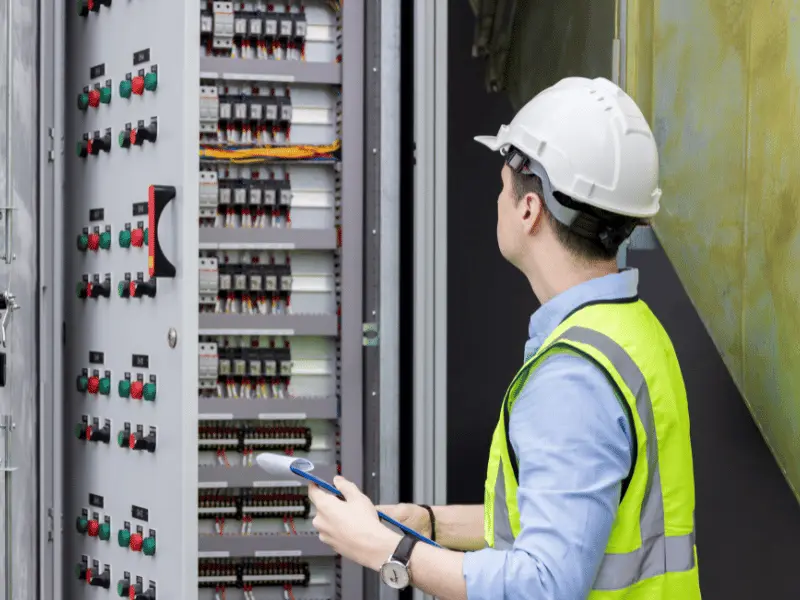
Traditionally, mechanical, electrical, and plumbing contractors often worked independently.
Today, leading construction companies deliver integrated MEP solutions where all disciplines are planned, coordinated, and managed together.
Integrated delivery provides several advantages.
Faster Project Completion
When different trades coordinate from the beginning, installation becomes more efficient.
Work progresses in a logical sequence rather than waiting for one contractor to resolve conflicts created by another.
Better Cost Control
Early coordination reduces:
- Design revisions
- Material waste
- Labour inefficiencies
- Equipment relocation
- Change orders
These savings often outweigh the initial investment in detailed planning.
Higher Building Performance
Integrated systems communicate more effectively.
For example:
- HVAC systems respond to occupancy sensors.
- Lighting adjusts according to daylight levels.
- Building Management Systems monitor equipment performance.
- Fire safety systems integrate with ventilation controls.
These connections improve operational efficiency while reducing energy consumption.
Simplified Maintenance
Buildings designed with maintenance in mind are easier and less expensive to operate.
Equipment should be accessible.
Replacement components should be easy to reach.
Service routes should be considered during design rather than after construction.
Good MEP engineering considers maintenance from the very beginning.
Why Sierra Turnkey Contracting Prioritizes Quality MEP Engineering
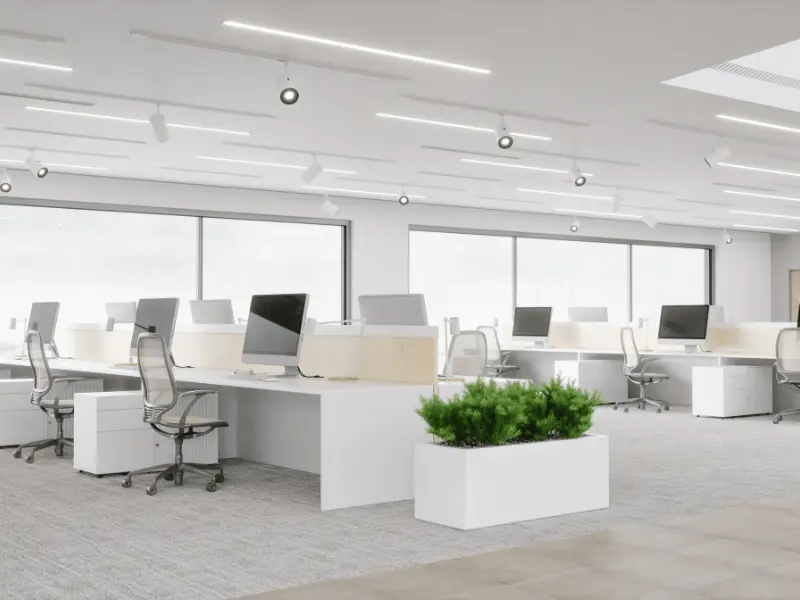
At Sierra Turnkey Contracting, we believe successful buildings are created through careful planning, technical expertise, and seamless coordination.
Our approach combines architecture, construction, and MEP engineering into one integrated delivery process, ensuring every building system works together efficiently from concept to completion.
Our multidisciplinary team focuses on:
- Comprehensive MEP design coordination
- High-quality installation practices
- BIM-enabled project planning
- Compliance with UAE regulations
- Energy-efficient engineering solutions
- Rigorous quality assurance and commissioning
- Long-term building performance
Whether delivering residential, commercial, hospitality, or industrial projects, our goal is to create buildings that are not only visually impressive but also reliable, efficient, and built for the future.
Frequently Asked Questions
What does MEP stand for in construction?
MEP stands for Mechanical, Electrical, and Plumbing. These systems provide heating, cooling, ventilation, power distribution, lighting, water supply, drainage, fire protection, and many other essential building services that allow a property to operate safely and efficiently.
Why is MEP engineering important?
MEP engineering ensures a building is comfortable, safe, energy-efficient, and functional. Well-designed MEP systems reduce operating costs, improve occupant comfort, extend equipment life, and support long-term building performance.
When should MEP planning begin?
MEP planning should begin during the earliest stages of project design. Early coordination between architects, structural engineers, and MEP engineers helps prevent clashes, reduces construction delays, and minimizes costly design changes later.
What is BIM in MEP engineering?
Building Information Modelling (BIM) is a digital process that creates intelligent 3D building models. BIM enables different disciplines to coordinate their designs, detect clashes before construction, improve project planning, and reduce rework.
How do MEP systems improve energy efficiency?
Efficient MEP systems reduce energy consumption through optimized HVAC design, LED lighting, smart controls, occupancy sensors, energy monitoring, and properly sized equipment. These solutions lower operating costs while improving overall building performance.
What industries require advanced MEP engineering?
Almost every modern building depends on quality MEP engineering, including:
- Residential developments
- Commercial offices
- Hotels
- Healthcare facilities
- Educational institutions
- Retail centres
- Industrial facilities
- Warehouses
- Mixed-use developments
Each project requires customized MEP solutions based on its operational requirements.
How do I choose the right MEP contractor?
Look for a contractor with proven project experience, qualified engineering teams, BIM expertise, strong quality assurance procedures, regulatory knowledge, and a track record of delivering projects on time and within budget.
Is investing in quality MEP engineering worth the additional cost?
Yes. Although quality MEP engineering may involve a higher initial investment, it significantly reduces long-term operating expenses, maintenance costs, equipment failures, and energy consumption. Over the building’s lifecycle, these savings often exceed the original investment.
Conclusion
Every successful building depends on more than strong foundations and attractive architecture. Behind every comfortable office, efficient hotel, luxury villa, or high-performing commercial development is a carefully designed network of mechanical, electrical, and plumbing systems working together seamlessly.
While these systems remain largely invisible, they influence nearly every aspect of a building’s performance—from indoor comfort and energy efficiency to safety, reliability, and long-term operational costs. Poor MEP engineering can lead to construction delays, frequent maintenance, higher utility bills, and reduced occupant satisfaction. In contrast, well-planned and expertly executed MEP systems create buildings that perform efficiently throughout their lifecycle.
For projects in Dubai, where extreme temperatures, evolving sustainability goals, and stringent regulatory standards place greater demands on building services, investing in experienced MEP engineering is more important than ever.
By partnering with an experienced contractor that prioritizes integrated design, BIM coordination, quality installation, and thorough commissioning, developers can minimize project risks while maximizing long-term value.
At Sierra Turnkey Contracting, we believe exceptional buildings are created by combining innovative engineering, technical precision, and collaborative project delivery. Our integrated MEP solutions are designed to help clients build safer, smarter, and more sustainable spaces that stand the test of time.


