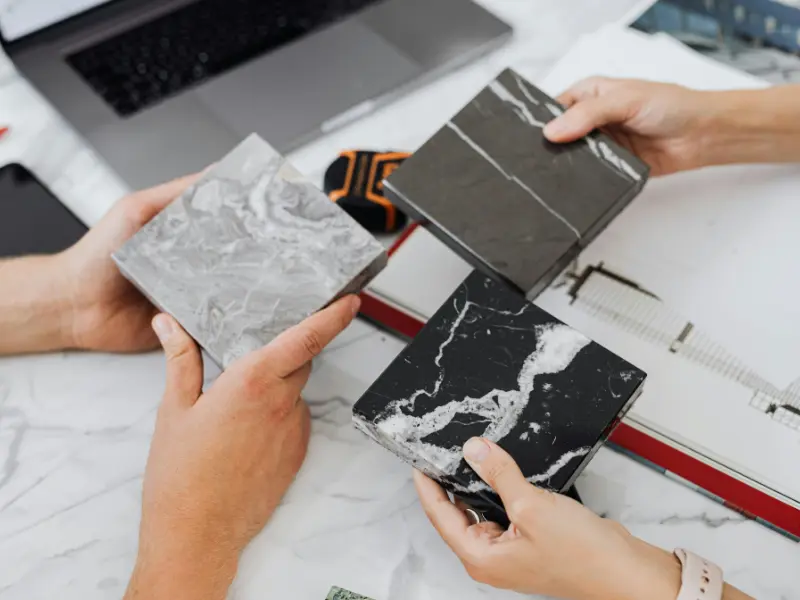
Dubai is known for its world-class architecture, luxurious interiors, and modern living standards. But behind every beautiful interior lies one crucial factor that many property owners overlook — choosing the right materials for the UAE climate.
With extreme summer temperatures, high UV exposure, humidity fluctuations, and constant air-conditioning usage, Dubai’s climate can significantly impact the durability and performance of interior fit-out materials. Materials that work perfectly in cooler regions often fail in the UAE, leading to fading, warping, cracking, moisture damage, and expensive maintenance issues.
At Sierra, we understand that successful interior fit-out projects are not just about aesthetics. They must combine style, functionality, durability, and climate resistance to create spaces that remain elegant and efficient for years.
Whether you are designing a luxury villa, office, retail outlet, or commercial property, selecting the right materials is essential. In this guide, we explore the best interior fit-out materials for Dubai’s hot climate and explain how smart material choices can improve comfort, longevity, and overall property value.
Why Dubai’s Climate Requires Special Interior Materials
Dubai’s environment presents unique challenges for interior spaces. Temperatures can exceed 45°C during peak summer months, while humidity levels often rise near coastal areas. Constant sunlight exposure and heavy reliance on air conditioning also create thermal expansion and contraction inside buildings.
Poor-quality materials may experience:
- Surface fading due to UV rays
- Swelling and warping from humidity
- Cracking caused by temperature changes
- Peeling laminates and finishes
- Increased maintenance costs
- Reduced lifespan of interiors
This is why climate-appropriate fit-out materials are essential for both residential and commercial projects in the UAE.
1. Porcelain Tiles: The Ideal Flooring Solution for Dubai
When it comes to flooring, porcelain tiles remain one of the most reliable and popular choices for Dubai interiors.
Unlike natural wood or low-density ceramic options, porcelain tiles are highly resistant to heat, moisture, and wear. They are non-porous, making them ideal for humid environments and heavily air-conditioned interiors.
Benefits of Porcelain Tiles
- Heat-resistant and durable
- Easy to clean and maintain
- Scratch and stain resistant
- Suitable for villas, offices, and retail spaces
- Available in luxury finishes like marble, stone, and wood textures
Porcelain flooring also helps maintain cooler indoor temperatures, which is especially beneficial in Dubai’s climate.
At Sierra, porcelain tiles are often recommended for high-traffic areas due to their long-term performance and elegant appearance.
2. Engineered Wood Instead of Solid Hardwood
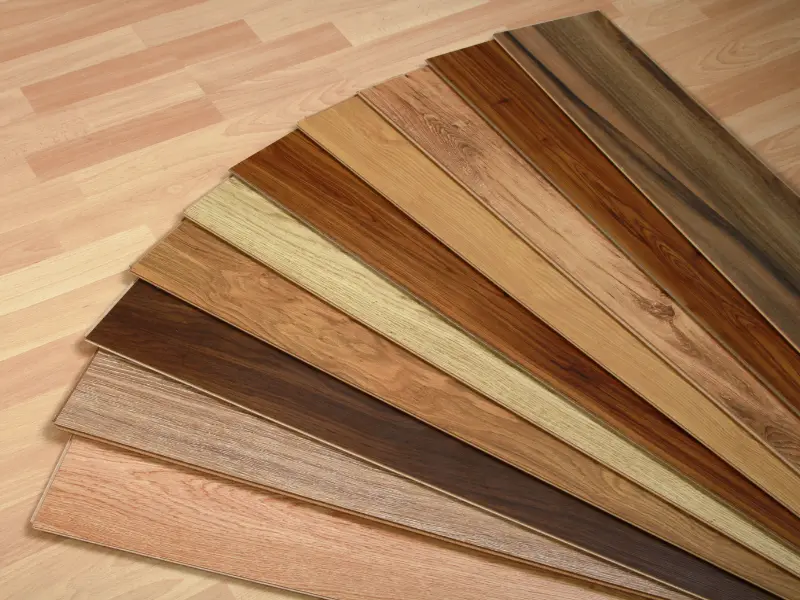
Natural hardwood floors are beautiful, but they are not always suitable for Dubai’s climate. Solid wood tends to expand and contract due to humidity and temperature changes, which can lead to gaps, bending, or warping.
A better alternative is engineered wood flooring.
Engineered wood offers the aesthetic appeal of real timber while providing improved stability under varying environmental conditions.
Why Engineered Wood Works Better
- More resistant to humidity
- Less prone to warping
- Suitable for air-conditioned interiors
- Maintains luxury appearance
- Longer lifespan in UAE conditions
For clients seeking warmth and sophistication without sacrificing durability, engineered wood is one of the smartest fit-out investments.
3. Quartz Countertops for Kitchens and Commercial Spaces
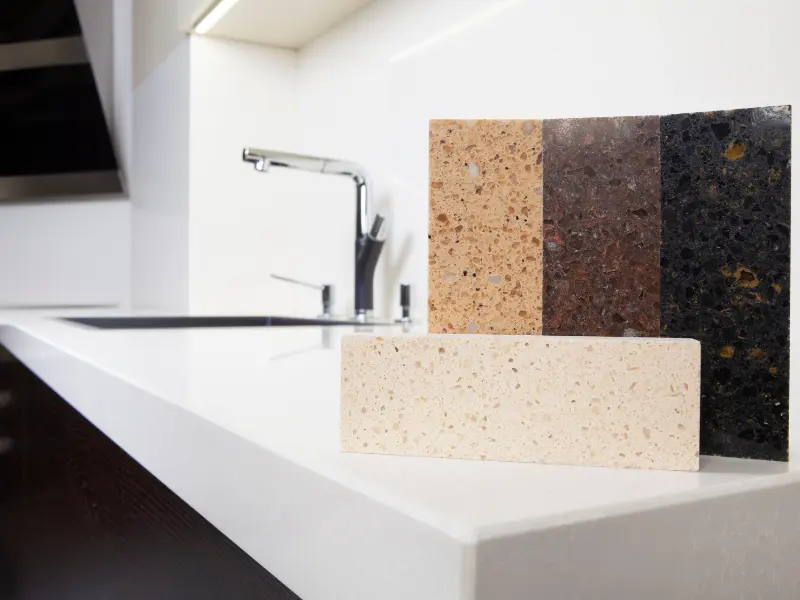
Kitchen surfaces in Dubai experience heavy daily use combined with temperature exposure. Natural marble can stain easily, while lower-grade materials deteriorate faster under heat and moisture.
Quartz countertops provide a practical and elegant solution.
Advantages of Quartz
- Non-porous surface
- Heat and stain resistant
- Easy maintenance
- Long-lasting durability
- Premium aesthetic options
Quartz is especially ideal for luxury villas, modern apartments, restaurants, and office pantries.
At Sierra, quartz surfaces are frequently integrated into contemporary interior concepts because they combine performance with timeless visual appeal.
4. Cement Boards Instead of Standard Gypsum in Wet Areas
Traditional gypsum boards may not withstand prolonged moisture exposure, especially in bathrooms, kitchens, and utility areas.
Cement boards are a far more durable option for humid spaces.
Why Cement Boards Are Better
- Moisture-resistant
- Prevent mold growth
- Stronger structural integrity
- Ideal for bathrooms and kitchens
- Long-lasting under UAE conditions
Using moisture-resistant backing materials is critical in Dubai interiors where indoor humidity and condensation are common due to continuous cooling systems.
5. High-Pressure Laminates (HPL) for Durable Surfaces
For cabinetry, wardrobes, wall panels, and office interiors, High-Pressure Laminates (HPL) are widely preferred in Dubai fit-out projects.
They offer excellent resistance to scratches, heat, and daily wear while maintaining a sleek modern appearance.
Benefits of HPL Materials
- UV-resistant surfaces
- Durable under heavy use
- Affordable luxury finish
- Low maintenance
- Wide variety of textures and colors
HPL materials are especially useful in commercial interiors where long-term durability is a priority.
6. Aluminum and Powder-Coated Metal Finishes
Metal finishes are commonly used in modern Dubai interiors because of their minimalistic and luxurious appeal. However, untreated metals may corrode over time due to humidity.
Powder-coated aluminum is one of the best solutions for both residential and commercial interiors.
Why Aluminum Works Well in Dubai
- Rust-resistant
- Lightweight and durable
- Modern appearance
- Heat resistant
- Minimal maintenance requirements
From partition systems to decorative features, aluminum offers both practicality and sophistication.
7. Microcement for Contemporary Interiors
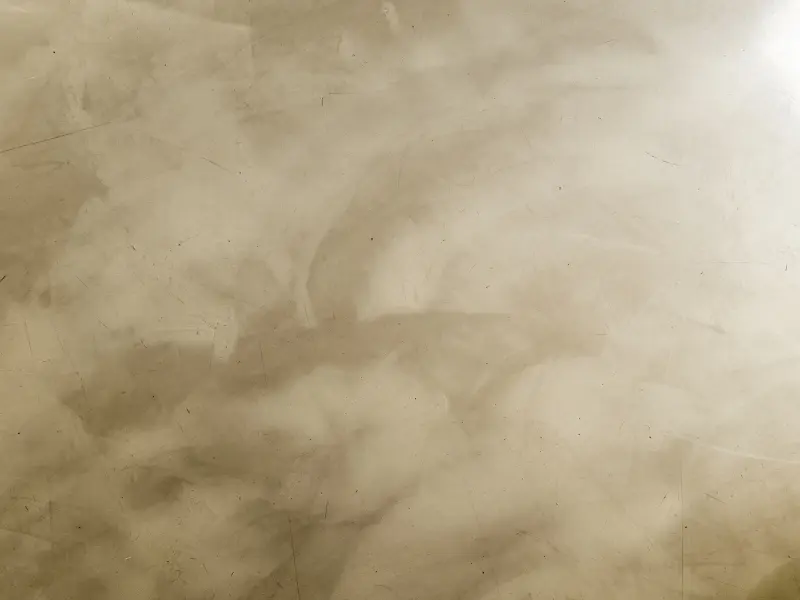
Microcement has become increasingly popular in Dubai’s luxury interior market. Its seamless appearance creates a clean, modern aesthetic while performing exceptionally well in hot climates.
Advantages of Microcement
- Seamless finish
- Heat and moisture resistant
- Suitable for walls and floors
- Minimal maintenance
- Modern luxury appeal
Microcement is particularly favored in villas, restaurants, and premium retail spaces seeking a refined architectural look.
8. Moisture-Resistant MDF and WPC Materials
Standard MDF can absorb moisture and deteriorate over time in humid environments. This is why moisture-resistant MDF and WPC (Wood Plastic Composite) materials are preferred for Dubai interiors.
Benefits of WPC and Moisture-Resistant MDF
- Improved humidity resistance
- Longer durability
- Reduced swelling and cracking
- Ideal for cabinetry and partitions
- Cost-effective alternative to natural wood
These materials provide flexibility for designers while ensuring greater longevity.
9. Low-VOC Paints and Eco-Friendly Finishes
Sustainability is becoming a major priority in Dubai’s construction and interior industry. Low-VOC paints and eco-friendly finishes improve indoor air quality while supporting environmentally responsible design practices.
Why Sustainable Materials Matter
- Better indoor air quality
- Reduced chemical emissions
- Safer for families and employees
- Environmentally responsible
- Increasingly demanded in modern developments
At Sierra, sustainable material selection is integrated into modern fit-out planning to create healthier and more future-ready spaces.
10. Acoustic and Thermal Insulation Materials
Dubai buildings rely heavily on air conditioning, making thermal efficiency essential for reducing energy consumption and maintaining indoor comfort.
Proper insulation materials help improve temperature control and acoustic performance.
Key Benefits
- Reduced cooling costs
- Better indoor comfort
- Improved sound insulation
- Energy efficiency
- Enhanced workplace productivity
Thermal and acoustic materials are particularly important in offices, hospitality projects, and luxury residences.
Choosing Materials Based on Project Type
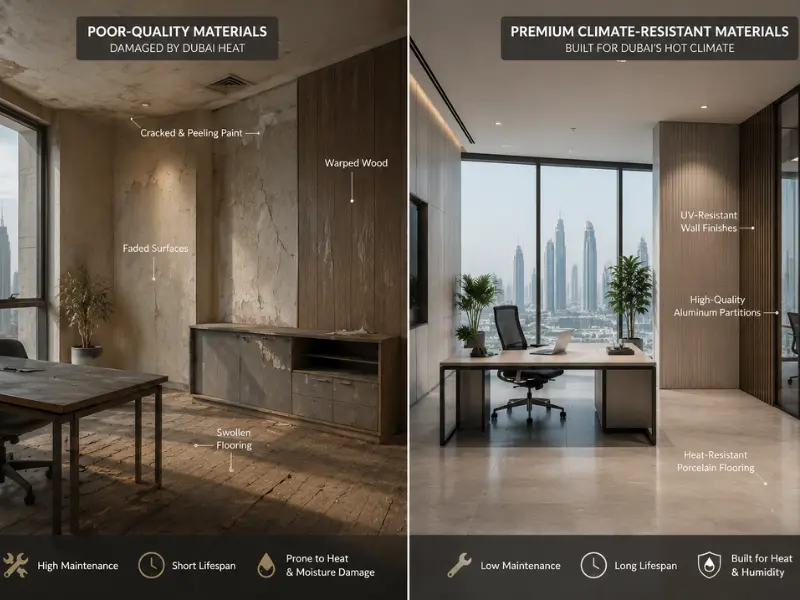
Not every material suits every project. The right selection depends on functionality, traffic levels, maintenance expectations, and design goals.
For Villas
Recommended materials include:
- Engineered wood
- Quartz surfaces
- Porcelain flooring
- Microcement accents
For Offices
Ideal options include:
- HPL wall panels
- Acoustic materials
- Aluminum partitions
- Durable commercial flooring
For Retail Spaces
Best choices include:
- Scratch-resistant surfaces
- Porcelain tiles
- Decorative metal finishes
- Easy-maintenance wall systems
At Sierra, every fit-out project begins with understanding the client’s operational and environmental requirements before selecting suitable materials.
Common Material Mistakes in Dubai Interiors
Many property owners prioritize appearance over performance, leading to avoidable long-term issues.
Some of the most common mistakes include:
- Using untreated natural wood
- Choosing low-quality laminates
- Ignoring moisture resistance
- Selecting dark materials that absorb excessive heat
- Using poor insulation systems
These mistakes often increase maintenance costs and reduce the lifespan of interiors.
A professionally planned fit-out balances aesthetics with climate durability.
The Importance of Professional Material Selection
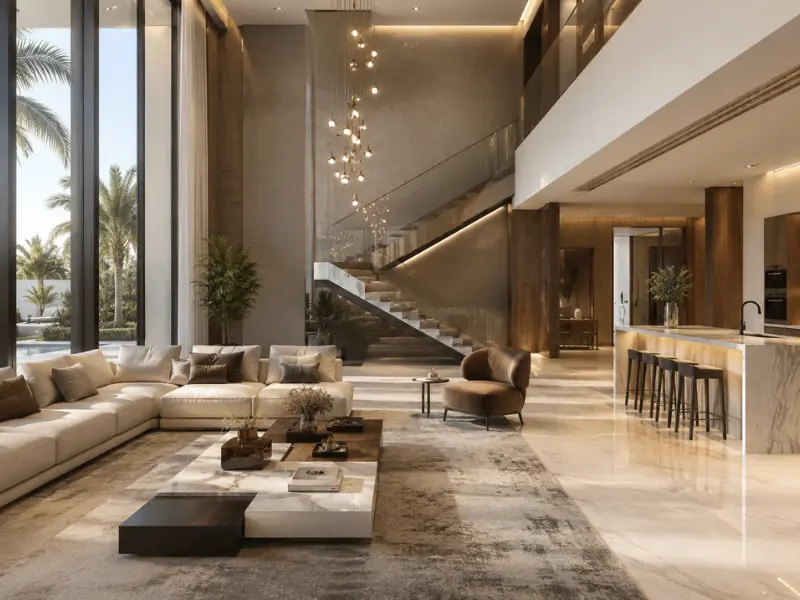
Interior materials are not simply decorative elements. They directly affect:
- Longevity
- Comfort
- Maintenance costs
- Energy efficiency
- Indoor air quality
- Property value
Working with experienced fit-out professionals ensures materials are selected based on environmental suitability, functionality, and long-term performance.
At Sierra, we combine design expertise with technical understanding to create interiors that are both visually impressive and built to perform in Dubai’s demanding climate conditions.
Future Trends in Dubai Fit-Out Materials
The UAE interior industry continues to evolve rapidly. Several trends are shaping the future of climate-friendly fit-out solutions:
Smart Materials
Materials with enhanced thermal performance and self-cleaning properties are becoming more popular.
Sustainable Design
Eco-conscious interiors using recycled and low-impact materials are increasingly in demand.
Seamless Finishes
Minimalist surfaces like microcement and large-format porcelain are replacing traditional segmented designs.
Energy-Efficient Interiors
Thermal insulation and reflective materials are becoming standard in modern developments.
Businesses and homeowners alike are prioritizing materials that reduce maintenance while supporting sustainability and luxury aesthetics.
Final Thoughts
Dubai’s climate is beautiful but demanding. Interior materials that cannot withstand heat, humidity, and continuous cooling systems often fail prematurely, leading to unnecessary repairs and replacements.
Choosing the right fit-out materials is one of the most important decisions in any interior project. Durable flooring, moisture-resistant surfaces, sustainable finishes, and thermal-efficient materials all contribute to creating interiors that remain elegant, functional, and comfortable for years.
At Sierra, we believe successful interiors should not only look exceptional but also perform exceptionally under Dubai’s unique environmental conditions. By selecting high-quality, climate-appropriate materials, property owners can protect their investment while creating spaces that reflect modern luxury and long-term value.
Whether you are planning a villa renovation, office fit-out, retail upgrade, or commercial development, investing in the right materials will always make a lasting difference.