When comparing fit-out contractors in Dubai, it is natural to pay attention to the price at the bottom of the quotation. If one contractor offers a significantly lower price than the others, the saving can look attractive—especially when you are working with a fixed project budget.
However, the cheapest fit-out quote is not always the lowest-cost option.
Two contractors can quote for the same office, retail unit, restaurant, villa, or commercial space while including very different scopes of work, materials, specifications, labour, MEP requirements, and project management.
A low initial quotation can therefore become more expensive later through variations, exclusions, upgrades, delays, remedial work, or additional requirements.
For anyone planning a fit-out in Dubai, understanding what is behind the number is just as important as comparing the number itself.
What Makes One Fit-Out Quote Cheaper Than Another?
A fit-out quotation is influenced by much more than the size of the project.
The price can depend on:
- Scope of work
- Material specifications
- Quality of finishes
- MEP requirements
- Design and drawings
- Joinery
- Electrical works
- HVAC
- Plumbing
- Fire and life-safety requirements
- Authority requirements
- Labour
- Procurement
- Project management
- Programme and deadlines
- Testing and commissioning
- Warranty and after-sales support
If one contractor has included these items and another has excluded some of them, the quotations are not genuinely comparable.
This is why the first question should not simply be, “Who is the cheapest?”
It should be:
“What exactly am I getting for this price?”
1. A Low Quote May Have a Smaller Scope
One of the most common reasons for a cheap fit-out quotation is a difference in scope.
For example, a contractor may quote for flooring, painting, partitions, and ceilings while excluding certain electrical modifications, joinery, plumbing alterations, or specialist installations.
The initial number may look competitive because fewer items have been included.
Later, when the excluded work becomes necessary, the client may have toapprove additional costs.
What to check
Before comparing quotations, create a detailed scope covering:
- Demolition
- Civil works
- Partitions
- Ceilings
- Flooring
- Painting
- Doors
- Joinery
- Electrical works
- Lighting
- HVAC
- Plumbing
- Fire and life-safety systems
- Data and communication systems
- Kitchen or pantry works
- Sanitary fixtures
- Signage
- Furniture, if required
- Testing and commissioning
- Final cleaning
- Handover documentation
The more clearly these items are defined, the easier it becomes to identify differences between contractors.
2. Exclusions Can Make a Cheap Quote Expensive
A quotation can appear inexpensive because several items are listed as exclusions.
Exclusions are not necessarily a problem. In fact, clearly stating exclusions is good practice because it tells the client exactly what the contractor has not priced.
The problem occurs when important project requirements are not noticed during the initial comparison.
For example, a quotation might exclude:
- Authority fees
- Additional electrical loads
- HVAC modifications
- Specialist lighting
- Fire-alarm modifications
- Access-control systems
- Data cabling
- Custom joinery
- Specialist finishes
- Testing and commissioning
If those items become necessary later, the project cost can increase.
A better approach
Don’t compare only the total quotation value.
Compare the inclusions and exclusions line by line.
3. Cheaper Materials Can Reduce the Initial Price
Materials can have a major impact on a fit-out budget.
Flooring, tiles, sanitary ware, lighting fixtures, doors, hardware, glass, paint systems, ceiling materials, kitchen components, and joinery can all be specified at different quality levels.
Two quotations may therefore contain the same description—such as “flooring” or “wall tiles”—but use completely different products.
A low-cost quotation may allow for a basic material while the design requires a higher specification.
If the client later decides to upgrade the material, the difference becomes a variation.
Always check:
- Brand
- Product range
- Material type
- Thickness
- Finish
- Size
- Performance specification
- Warranty
- Country of origin where relevant
- Installation method
The phrase “premium finish” is not enough. A proper quotation should identify what is actually being supplied.
4. Unrealistic Allowances Can Create Variations
Some fit-out quotations use allowances or provisional amounts for items that have not yet been fully selected.
This can be useful during early budgeting, but the allowance needs to be realistic.
For example, a quotation may include a modest allowance for sanitary ware, lighting, kitchen appliances, or joinery.
If the final design requires products above that allowance, the client pays the difference.
This is why it is important to ask:
Is this item based on an actual selected product or simply an allowance?
The answer can significantly affect the final project cost.
5. MEP Costs Can Be Underestimated
MEP—mechanical, electrical and plumbing—is one of the areas where a low quotation can create problems later.
A fit-out may require changes to:
- Electrical distribution
- Power points
- Lighting circuits
- HVAC
- Air-conditioning capacity
- Plumbing
- Drainage
- Water supply
- Ventilation
- Fire and life-safety systems
- Data infrastructure
For example, adding new equipment to an office, restaurant, clinic, or retail space may require additional electrical capacity or HVAC modifications.
If these requirements were not properly assessed before the quotation was prepared, additional costs can appear during construction.
A detailed site survey and coordinated MEP design can help identify these requirements earlier.
6. Cheap Quotes Can Become Expensive Through Variations
Variations are changes to the original scope or specification.
Not every variation is caused by the contractor. Clients may change their minds, designers may develop the design, or previously unknown site conditions may be discovered.
However, unclear quotations can make variations more likely.
For example:
Original quote: Basic reception counter
Later requirement: Custom feature reception with stone, integrated lighting, storage and specialist detailing.
The final cost will naturally be higher.
This is why the design should be sufficiently developed before the contractor finalises the quotation.
Before signing, ask:
- What is included?
- What is excluded?
- Which items are provisional?
- What happens when the scope changes?
- How are variations priced?
- Will variations require written approval?
A transparent variation process helps keep financial control during the project.
7. Poor Workmanship Can Create a Second Bill
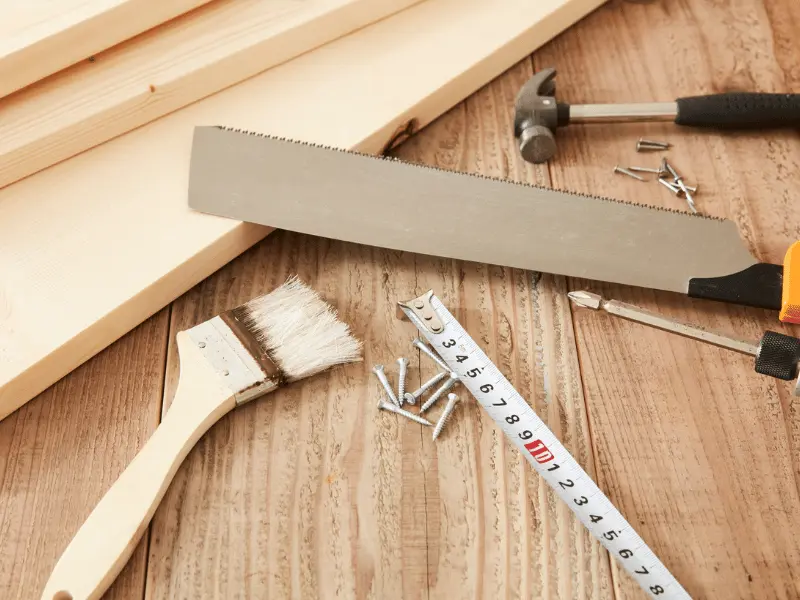
The lowest construction price can become expensive if workmanship is poor.
A fit-out is not finished simply because walls have been painted and furniture has been installed.
Problems with waterproofing, flooring, joinery, ceilings, electrical installations, plumbing, doors, glass, or MEP systems can require remedial work.
For example, correcting a poorly executed bathroom waterproofing system after finishes have been installed can involve removing and replacing several layers of work.
Similarly, poorly coordinated ceiling and MEP installations can require rework before the project can be completed properly.
The original saving may disappear once repairs, replacement materials, labour, and delays are considered.
8. Delays Have a Financial Cost
Time is another factor that is often missing from a simple quotation comparison.
For a commercial fit-out, a delay can affect:
- Business opening dates
- Rent and occupancy costs
- Staff mobilisation
- Equipment installation
- Marketing launches
- Revenue generation
- Temporary accommodation
- Storage
- Supplier schedules
A restaurant that cannot open because its fit-out is incomplete may face very different financial consequences from a homeowner whose renovation takes an extra few weeks.
The cost of a fit-out should therefore be considered alongside the proposed programme.
Ask the contractor:
What is the planned completion period, and what assumptions is it based on?
9. Procurement Problems Can Increase Costs
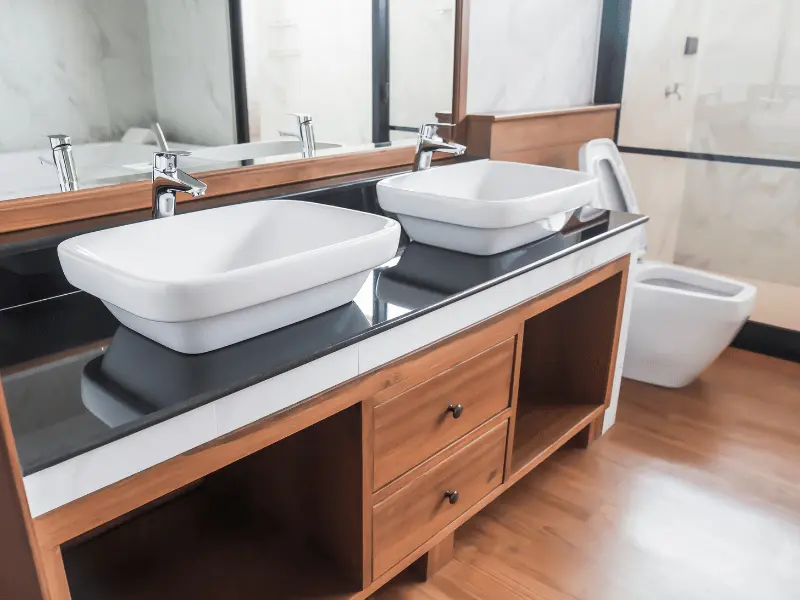
Some materials have long lead times.
Imported lighting, specialist sanitary ware, custom furniture, appliances, glass, hardware, tiles, stone, and bespoke joinery may require careful procurement planning.
A contractor who prices an item without confirming availability may later discover that:
- The product is discontinued
- The lead time is longer than expected
- The selected specification is unavailable
- Shipping costs have changed
- A substitute product is required
Good procurement planning should happen early enough to protect the construction programme.
10. Design and Construction Need to Work Together
A low fit-out quote can sometimes result from pricing a project before the design is sufficiently developed.
If architectural drawings, interior details, MEP layouts, reflected ceiling plans, joinery drawings, material schedules, and specifications are incomplete, contractors may make different assumptions.
That creates different quotations.
For example, one contractor might assume standard joinery while another prices bespoke joinery. One might include complete lighting supply while another includes installation only.
The result is a misleading comparison.
A well-developed design package creates a stronger foundation for accurate pricing.
11. Project Management Matters More Than It Looks
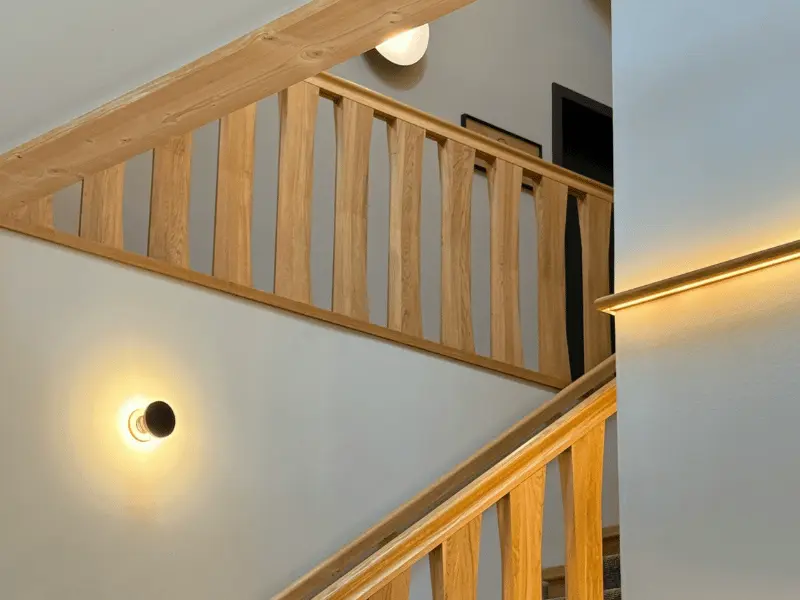
Fit-out projects involve multiple trades working in sequence.
Civil works, MEP, ceilings, flooring, painting, joinery, glass, lighting, and specialist installations all need coordination.
If project management is weak, one trade can interfere with another.
For example:
- MEP installation is completed.
- Ceiling work begins.
- A late electrical requirement appears.
- The ceiling has to be opened again.
- Additional labour is required.
- The programme is delayed.
This is a simple example of how poor coordination can create additional costs.
A contractor’s project management approach should therefore be considered alongside the construction price.
12. Cheap Does Not Automatically Mean Bad
It is important to make one distinction.
A lower quotation does not automatically mean poor quality.
A contractor may genuinely be able to offer a lower price because of:
- Efficient procurement
- In-house manufacturing
- Better supplier relationships
- Experienced labour
- Efficient project management
- Lower overheads
- A simpler construction methodology
- A more clearly defined scope
The issue is not whether the quote is cheap.
The issue is whether the price is realistic, transparent, and properly aligned with the required scope and specification.
That distinction is important when comparing fit-out contractors in Dubai.
13. How to Compare Fit-Out Quotes Properly
Instead of arranging quotations from cheapest to most expensive, compare them category by category.
A simple comparison could look like this:
| Category | Contractor A | Contractor B | Contractor C |
|---|---|---|---|
| Civil Works | Included | Included | Included |
| Flooring | Specification A | Specification B | Specification C |
| Joinery | Included | Partial | Included |
| HVAC | Included | Excluded | Included |
| Electrical | Included | Partial | Included |
| Lighting | Supply + Installation | Installation Only | Supply + Installation |
| Plumbing | Included | Included | Partial |
| Approvals | Excluded | Included | Excluded |
| Project Management | Included | Included | Included |
| Warranty | Defined | Not Stated | Defined |
| Programme | 16 Weeks | 12 Weeks | 15 Weeks |
This approach can reveal why one quotation is cheaper.
The objective is not simply to find the smallest number. It is to understand what each number represents.
14. Questions to Ask Before Accepting a Fit-Out Quote
Before signing a contract, ask the contractor:
Scope
What exactly is included?
Exclusions
Which works, materials or fees are excluded?
Materials
Are brands and specifications clearly identified?
MEP
Has the existing MEP infrastructure been assessed?
Variations
How will additional work be priced and approved?
Programme
What is the expected project duration?
Procurement
Which materials have long lead times?
Quality
What quality-control procedures are followed?
Handover
What testing, snagging and documentation are included?
Warranty
What warranty and after-sales support are provided?
Clear answers to these questions can help reduce unpleasant surprises later.
How Sierra Approaches Fit-Out Projects
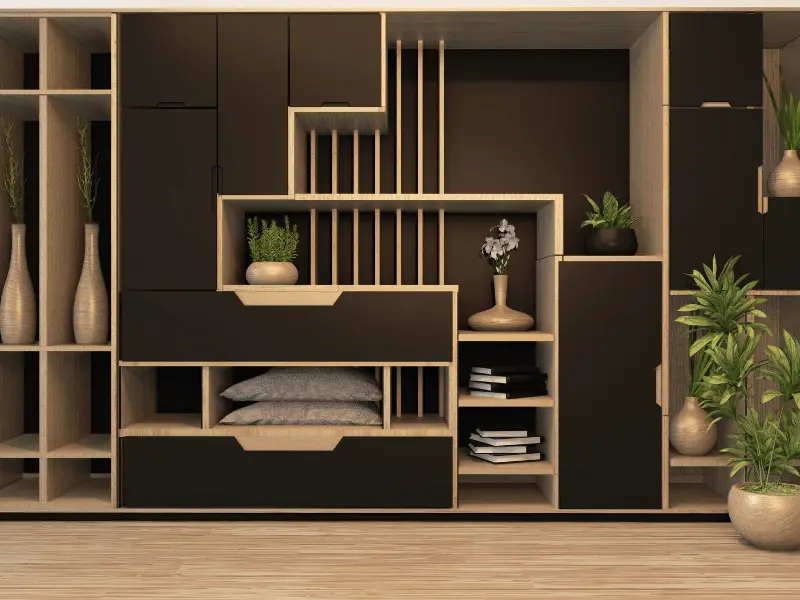
At Sierra Turnkey Contracting, fit-out projects can involve multiple disciplines, including civil and contracting works, interior design, MEP, joinery, and related execution.
A coordinated approach allows the project team to consider design, construction, technical services, materials, and site execution together rather than treating each component as an isolated package.
For clients comparing fit-out contractors in Dubai, the important starting point is a clearly defined scope and transparent quotation. Once the requirements are understood, the contractor can provide a more meaningful estimate and identify potential technical or procurement issues before work begins.
Final Thoughts
A cheap fit-out quote is not necessarily a bad quote. However, a low headline price should always be investigated before making a decision.
The final cost of a fit-out can be affected by scope exclusions, material specifications, provisional allowances, MEP requirements, variations, procurement, workmanship, delays, and project coordination.
Instead of asking only “Which contractor quoted the lowest price?”, ask:
“Which quotation gives me a clear understanding of the complete project cost and scope?”
A detailed quotation, properly developed design, realistic programme, transparent variation process, and clearly specified materials can make it easier to control the project from initial planning through to handover.
For office, retail, commercial, hospitality, or residential fit-out projects in Dubai, careful planning at the quotation stage can help prevent avoidable costs later—and create a clearer path toward delivering the finished space as intended.