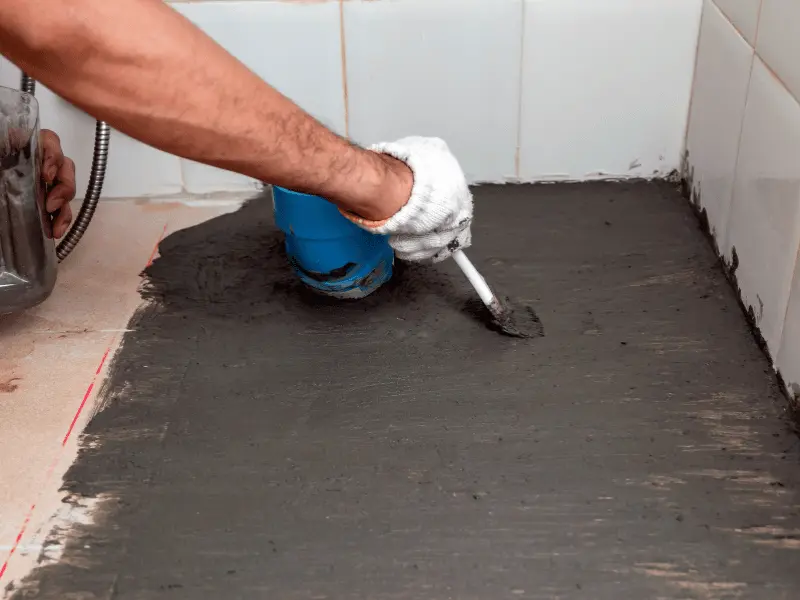
Waterproofing is one of the most important parts of a building that you rarely see after construction is complete. When it is done correctly, it remains hidden beneath tiles, screed, finishes and protective layers. When it fails, however, the consequences can become visible quickly — from damp patches and mould to damaged ceilings, loose tiles and expensive renovation work.
For buildings in the UAE, waterproofing deserves particular attention. Bathrooms, balconies, terraces, roofs and other wet areas are exposed to water, humidity, temperature changes and, in external areas, intense sunlight. A waterproofing system therefore needs more than a good-quality membrane. Correct surface preparation, detailing, drainage, application, curing and testing all contribute to its performance.
This guide explains waterproofing in the UAE, with particular attention to bathrooms, balconies and the common failure points that contractors and property owners should check.
Why Waterproofing Matters in the UAE
Water does not always cause visible damage immediately. It can travel through grout joints, cracks, construction joints and poorly sealed penetrations before appearing somewhere else.
In a bathroom, for example, a waterproofing failure may eventually appear as a damp patch on an adjacent wall or the ceiling of the room below. On a balcony, water can travel beneath finishes before becoming visible inside the property.
The UAE climate adds another consideration. External waterproofing systems have to cope with strong solar exposure and significant thermal movement. Current UAE construction guidance and Dubai regulations also place importance on maintaining building quality, safety and structural integrity.
This is why waterproofing should be treated as a system, rather than simply a coating applied to a surface.
Where Is Waterproofing Needed?
The exact waterproofing specification depends on the building, design and approved project specifications. However, common areas requiring careful waterproofing include:
- Bathroom floors and shower areas
- Wet-area walls
- Balconies and terraces
- Roofs and roof terraces
- Planter boxes and landscaped areas
- Swimming pool structures
- Basements and below-ground structures
- Areas around drains, pipe penetrations and movement joints
Bathrooms and balconies are particularly important in residential fit-out and renovation projects because their waterproofing is often concealed beneath the finished tiles.
Bathroom Waterproofing: Where Problems Usually Begin
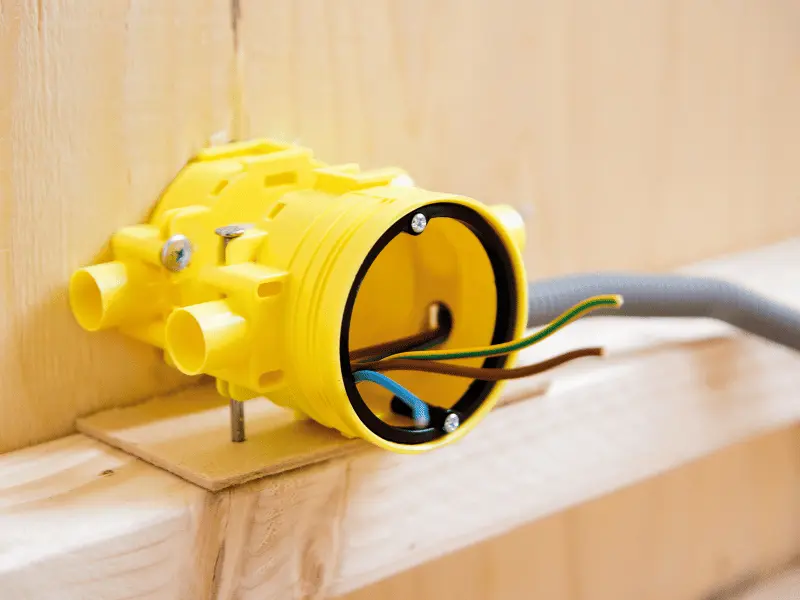
Bathroom tiles may look watertight, but tiles and grout should not be treated as the primary waterproofing barrier. Water can move through joints and small defects, which is why the waterproofing system beneath the finished surface matters.
A properly designed bathroom waterproofing system should address the entire wet-area assembly, including the substrate, membrane, corners, floor-to-wall junctions, drains and service penetrations.
Common bathroom waterproofing failure points
1. Floor-to-wall junctions
Corners experience movement and are difficult to waterproof with a simple flat coating. They require appropriate detailing and reinforcement according to the selected system.
2. Floor drains
The drain is one of the most important details in a bathroom. If the membrane is not properly connected and sealed around the drain, water can find a path beneath the finished floor.
3. Pipe penetrations
Every pipe passing through the waterproofing layer creates a potential weak point. Penetrations should be detailed using the appropriate sealing method rather than relying on a small amount of surface sealant.
4. Shower areas
Shower walls and floors receive repeated water exposure. The waterproofing system needs to cover the appropriate wet-area surfaces and continue correctly through corners and junctions.
5. Door thresholds
The transition between the bathroom and adjacent flooring needs careful detailing. If water escapes from the wet area, it can damage flooring and adjoining finishes.
Current UAE-focused guidance similarly identifies drains, wall-to-floor junctions, pipe penetrations and thresholds as critical bathroom details.
Balcony Waterproofing in the UAE
Balconies are often more challenging than bathrooms because they combine waterproofing with outdoor exposure, drainage and thermal movement.
A balcony can be exposed to rain, cleaning water and AC condensate while also experiencing significant temperature changes. If the surface does not drain correctly, water may remain around the perimeter, door threshold or other weak points.
Common balcony waterproofing problems
Incorrect falls or poor drainage: Water should be directed towards suitable drainage points rather than allowed to pond.
Failed perimeter joints: Movement around walls and structural junctions can cause rigid materials to crack.
Poor door-threshold detailing: The connection between an internal floor and exposed balcony is a particularly important waterproofing detail.
Unsealed penetrations: Railing fixings, drainage outlets and other penetrations can create pathways for water.
Membrane damage: Waterproofing can be damaged by subsequent trades, drilling, tile installation or other construction activities if it is not adequately protected.
Inadequate UV protection: Exposed waterproofing systems need to be selected and protected according to the manufacturer’s requirements and the conditions of the application.
A recent UAE balcony waterproofing guide highlights drainage, thresholds, wall-to-floor junctions, drains, parapets and penetrations as commonly overlooked leak points.
8 Common Waterproofing Failures in the UAE
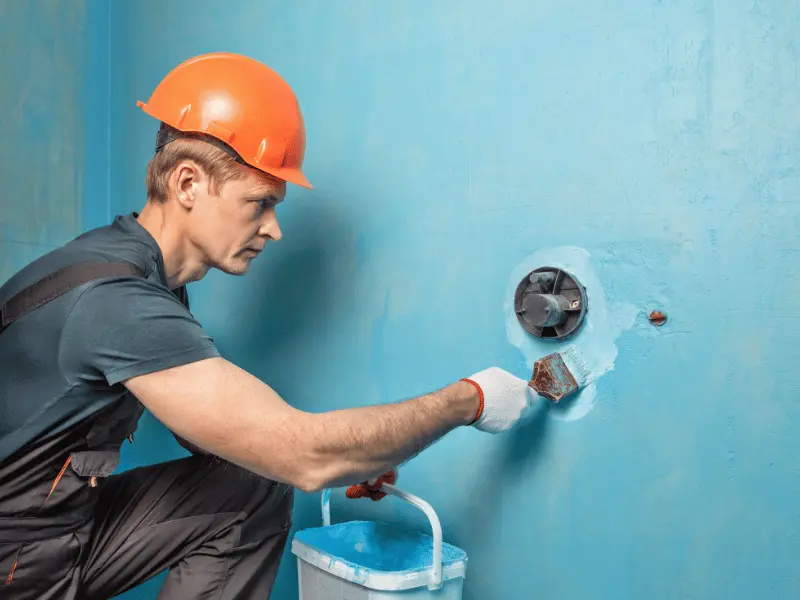
Although every project is different, many waterproofing problems can be traced to a relatively small number of mistakes.
1. Poor surface preparation
Dust, loose material, laitance, contaminants or unsuitable substrates can affect adhesion. Waterproofing should only be applied after the substrate has been prepared according to the selected system and manufacturer’s requirements.
2. Incorrect waterproofing system
There is no single waterproofing product that is ideal for every application.
Cementitious systems, liquid-applied membranes, sheet membranes, polyurethane systems and other technologies have different properties and limitations. The system should be selected according to exposure, movement, substrate, finish and project requirements.
3. Poor detailing at joints and corners
A large open surface may be waterproofed correctly while a small corner or junction remains vulnerable. Waterproofing is often won or lost at these details.
4. Incorrect falls
A waterproof membrane cannot compensate for fundamentally poor drainage design. Where water is allowed to remain on a surface, the risk of deterioration and leakage increases.
5. Poorly sealed penetrations
Pipes, drains, fixing points and other penetrations must be incorporated into the waterproofing design rather than treated as an afterthought.
6. Damage after waterproofing
Other trades may accidentally puncture or damage the membrane while installing MEP services, partitions, fixtures or finishes. Protecting completed waterproofing work is therefore an important part of construction quality control.
7. Insufficient curing or incorrect application sequence
Waterproofing products have specific application and curing requirements. Rushing the next construction stage can compromise the system.
8. Skipping testing
One of the most expensive mistakes is covering waterproofing before verifying that it works. Testing should be carried out using the method appropriate to the system and project specification before finishes conceal the work.
The broader failure pattern is consistent across UAE and GCC guidance: waterproofing is a system involving the substrate, membrane, joints, drainage, penetrations and protection layers rather than a single product.
Waterproofing Inspection: What Should Be Checked Before Tiling?
For bathrooms and other tiled wet areas, a simple quality-control checklist can help identify problems before they become expensive repairs.
Waterproofing inspection checklist
| Check | What to verify |
|---|---|
| Substrate | Clean, sound and properly prepared |
| Cracks | Repaired according to the waterproofing specification |
| Corners | Correctly detailed and reinforced where required |
| Drains | Properly integrated with the waterproofing system |
| Pipe penetrations | Properly sealed |
| Falls | Water drains towards the intended outlet |
| Membrane | Continuous and free from visible damage |
| Curing | Manufacturer’s required curing period followed |
| Protection | Membrane protected from subsequent trades |
| Testing | Required waterproofing/water testing completed before finishes |
The exact test method and duration should always follow the specified waterproofing system and project requirements rather than applying one universal procedure to every product.
Signs of Waterproofing Failure
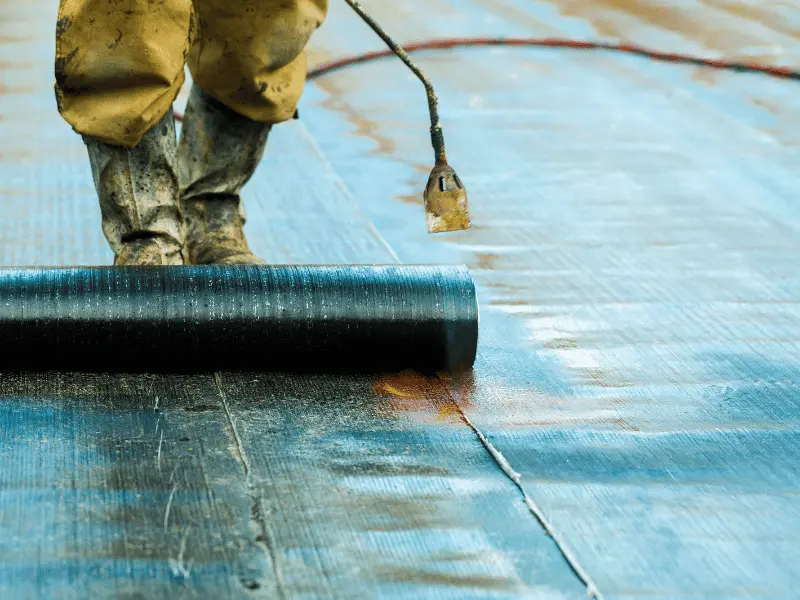
Waterproofing problems can sometimes be identified before major damage occurs.
Look for:
- Damp or discoloured patches
- Peeling or blistering paint
- Mould or persistent musty smells
- Loose or hollow-sounding tiles
- Damaged grout
- Repeated water stains on ceilings below bathrooms
- Water collecting on balconies
- Cracked perimeter sealants
- Dampness around bathroom or balcony thresholds
Importantly, the location where water becomes visible is not necessarily where the water entered. Water can travel through screed, joints and building materials before appearing at another location.
This is why simply applying sealant over the visible stain may not solve the underlying problem.
Can Waterproofing Be Repaired Without Removing Tiles?
It depends on what has failed.
If the problem is limited to deteriorated silicone, grout or another accessible surface seal, maintenance may be possible without removing the tiles.
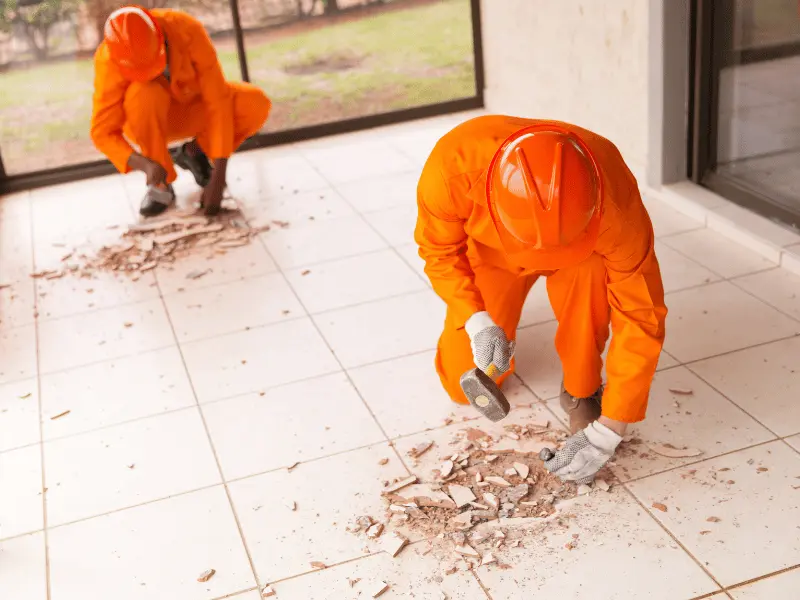
If the waterproofing membrane beneath the tiles has failed, however, surface sealing is unlikely to restore the original membrane system. The appropriate repair may require removing finishes, preparing the substrate, installing a new waterproofing system, testing it and reinstating the finishes.
This distinction is important during renovation. A quick surface treatment may appear cheaper, but treating the symptom instead of the source can result in repeated repair costs.
How to Prevent Waterproofing Problems During Renovation
If you are renovating a bathroom, villa, apartment or commercial space in the UAE, ask your contractor these questions before work begins:
- What waterproofing system are you proposing and why?
- Where exactly will the waterproofing be applied?
- How will drains and pipe penetrations be detailed?
- How will corners and movement joints be treated?
- How will the substrate be prepared?
- What is the required curing period?
- How will the completed waterproofing be tested?
- How will it be protected from other trades?
- What happens if a leak is detected before tiling?
- What documentation or inspection records will be provided?
A professional contractor should be able to explain the sequence clearly rather than simply quoting a waterproofing material or price.
Waterproofing Is About More Than the Membrane
The most important lesson is that waterproofing should not be judged by the membrane alone.
A high-quality product can still fail when it is installed over an unsuitable substrate, incorrectly detailed around a drain, damaged by another trade or covered before the required testing and curing are complete.
For UAE projects, successful waterproofing in Dubai and across the UAE requires the right combination of specification, surface preparation, workmanship, detailing, drainage, testing and protection.
At Sierra Turnkey Contracting, waterproofing forms part of the wider construction and fit-out process rather than being treated as an isolated task. For bathrooms, balconies, renovations and other wet areas, proper coordination between civil works, MEP, finishes and waterproofing is essential to achieving a durable result.
When waterproofing is done correctly, you may never notice it. That is exactly the point.