Renting an apartment in Dubai doesn’t mean you have to leave it completely untouched. Tenants often want to hang artwork, install curtains, mount a television, add shelves or decorate their homes to make them feel more personal.
But many of these changes require drilling into the walls.
So, can I drill holes in a rental apartment in Dubai?
The safest answer is: don’t assume that you can. Check your tenancy agreement and obtain the landlord’s permission before drilling, especially if the landlord or property manager has specifically prohibited it.
Dubai tenancy law places responsibilities on tenants to maintain rented properties and restricts certain changes without the landlord’s permission and any required approvals.
Here’s what Dubai tenants should know in 2026.
What Does Dubai Tenancy Law Say About Drilling?
Article 19 of Dubai Law No. 26 of 2007 requires tenants to maintain rented property in good condition. It also states that tenants may not make changes or carry out restoration or maintenance work without obtaining the landlord’s permission and any necessary licences from the relevant authorities.
This means tenants should not automatically treat drilling as an unrestricted right.
However, there is an important difference between making a small hole for a picture and carrying out a major alteration to the property.
A few holes for lightweight decorations are very different from installing partitions, altering walls or making changes that could affect the structure or building services.
The safest approach is therefore simple:
Ask before you drill and get permission in writing.
Can a Dubai Landlord Ban Tenants From Drilling Holes?
A landlord can establish reasonable conditions regarding alterations and use of a rental property, provided those conditions do not conflict with applicable Dubai laws.
This exact issue has previously been addressed by Khaleej Times. In the case discussed, a prospective tenant was told by the real estate agent that drilling holes was not permitted. The legal response advised the tenant to follow the condition if it had already been communicated by the landlord’s authorised representative.
This is particularly important before signing your tenancy agreement.
If you’re viewing an apartment and the landlord says “no drilling,” don’t assume you can ignore the restriction simply because you need to install curtains or hang pictures.
Instead, ask whether specific installations can be approved.
What If My Contract Doesn’t Mention Drilling?
The absence of a specific “no drilling” clause does not necessarily mean you have unlimited permission to modify the apartment.
Your tenancy agreement may contain broader clauses covering:
- Alterations
- Modifications
- Fixtures
- Wall damage
- Painting
- Installation work
- Restoration
- Returning the property at the end of the tenancy
Previous legal guidance published by Khaleej Times has indicated that where the tenancy contract does not restrict drilling, a tenant may generally drill holes and repair them when vacating the property.
However, Article 19 still needs to be considered when making changes to a rented property.
Therefore, if you’re unsure, ask the landlord or property manager before drilling.
Can Drilling Affect Your Security Deposit?
Yes, potentially.
Article 20 of Dubai’s tenancy law allows a landlord to take a security deposit to ensure maintenance of the property at the end of the tenancy.
Article 21 also requires the tenant to return the property in the condition in which it was received, except for ordinary wear and tear or damage beyond the tenant’s control.
This means damage caused by unapproved modifications could become an issue when your tenancy ends.
For example, a tenant may face a greater risk of a dispute if they leave:
- Numerous large holes
- Damaged plaster
- Cracked tiles
- Poorly repaired walls
- Holes from heavy shelves
- Damage caused by inappropriate drilling
A few properly repaired holes may be a very different situation from extensive wall damage.
The key is to follow the tenancy agreement, obtain permission and restore approved alterations when required.
Is Drilling Considered Normal Wear and Tear?
This is an area where tenants should be careful.
Normal wear and tear generally refers to deterioration that naturally occurs through ordinary use of the property.
Examples can include minor scuffing or gradual fading over time.
You should not automatically assume that intentionally drilling holes is normal wear and tear.
Whether particular damage is considered reasonable can depend on the circumstances, the tenancy agreement and the condition of the property.
If there is a disagreement about deductions or property condition, the matter may ultimately need to be resolved through the appropriate Dubai rental dispute process.
Can I Drill Holes to Install Curtains?
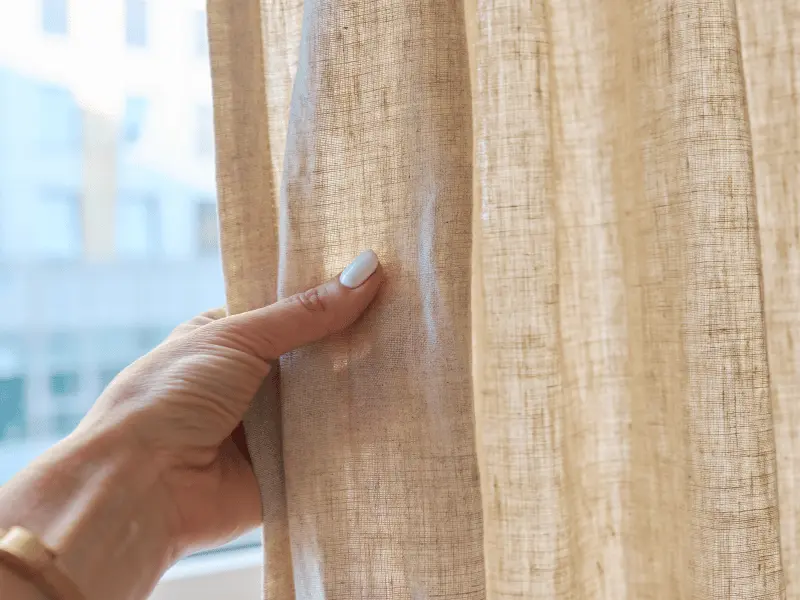
Curtains are one of the most common reasons tenants want to drill.
If your apartment doesn’t already have curtain tracks or suitable fixing points, ask the landlord for permission before installing brackets.
You can make the request more specific by explaining:
- Where the curtain will be installed
- How many holes are required
- What type of fixing will be used
- Whether you will repair the holes when leaving
If drilling isn’t allowed, consider tension rods or suitable removable curtain systems, depending on the window and curtain weight.
Always check the manufacturer’s weight limits before using adhesive products.
What About Mounting a TV?
TV mounting requires more caution than hanging a lightweight picture.
A wall-mounted television can involve multiple holes, heavy fixings and potentially concealed electrical or plumbing services.
If drilling is prohibited, consider alternatives such as:
- Freestanding TV stands
- Floor-standing TV mounts
- Media consoles
- Easel-style television stands
These options can create a similar visual effect without permanently modifying the wall.
How to Decorate a Rental Without Drilling
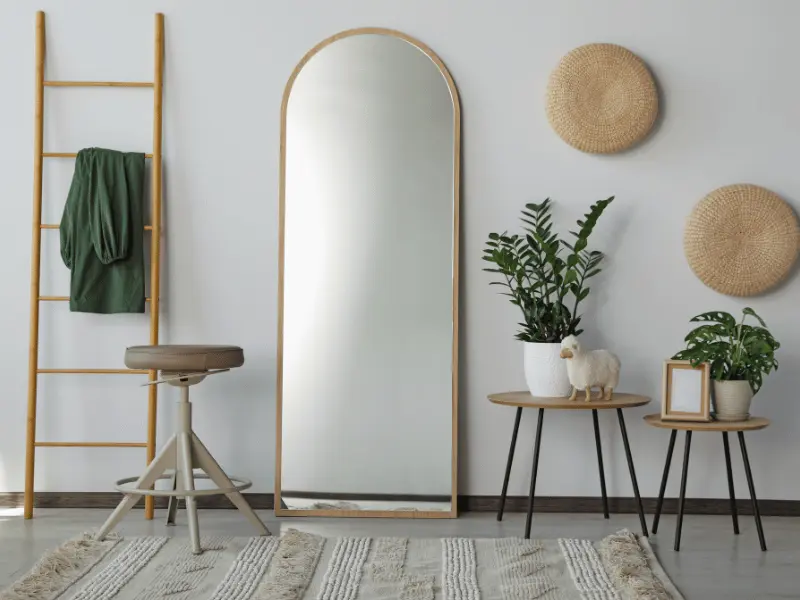
If your Dubai landlord doesn’t permit drilling, you still have plenty of ways to personalise your apartment without drilling.
1. Use removable hanging systems
For lightweight artwork and decorations, suitable removable hooks and hanging strips can be useful.
Always follow the manufacturer’s instructions and weight limits.
2. Choose freestanding furniture
Bookshelves, cabinets, consoles and storage units can add functionality without being attached to the walls.
3. Lean artwork against the wall
Large framed artwork can be placed on the floor, a console or a shelf. This can also create a modern interior-design look.
4. Use floor mirrors
Instead of mounting a mirror, choose a freestanding or leaning floor mirror.
5. Try tension rods
Tension rods can work for certain curtains and temporary storage solutions without requiring holes.
6. Add floor and table lighting
Floor lamps, table lamps and decorative lighting can dramatically change the atmosphere without modifying the walls or electrical system.
7. Use rugs and textiles
Rugs, cushions, throws and other textiles can introduce colour, texture and personality without making permanent changes.
A 2026 Tip: Get Permission in Writing
If your landlord says drilling is acceptable, don’t rely solely on a verbal conversation.
Ask for confirmation through email or WhatsApp.
For example, you could ask:
“Could you please confirm that I have permission to install two curtain brackets above the living room window and that I should repair the holes when the tenancy ends?”
Written confirmation gives both parties a clearer record of what was agreed.
It can also be useful if the property manager changes during your tenancy.
Photograph the Apartment Before Moving In
Another simple way to protect yourself is to document the property’s condition before moving in.
Take clear photos and videos of:
- Walls
- Floors
- Doors
- Windows
- Kitchen cabinets
- Bathrooms
- Fixtures
- Existing holes
- Scratches and marks
- Paint condition
Keep these records throughout your tenancy.
If a dispute occurs later, your move-in documentation can help establish what damage existed before you occupied the apartment.
What Should You Do Before Drilling?
Use this quick checklist:
| Check | What to do |
|---|---|
| Tenancy agreement | Look for alteration restrictions |
| Landlord permission | Get it in writing |
| Authority approval | Confirm if required |
| Wall location | Avoid sensitive areas and concealed services |
| Alternative options | Consider damage-free solutions |
| Existing condition | Photograph the apartment |
| Repairs | Plan to restore approved holes |
| Security deposit | Consider potential damage liability |
Final Verdict
So, can I drill holes in a rental apartment in Dubai?
You should not assume that drilling is automatically permitted.
Dubai tenancy law requires tenants to maintain rented property and places restrictions on making changes without the landlord’s permission and required approvals.
If your landlord or tenancy agreement clearly prohibits drilling, the safest approach is to respect the restriction.
If drilling is permitted, obtain written approval, avoid unnecessary damage and be prepared to restore the wall when you leave.
And if drilling isn’t allowed, you don’t have to sacrifice your interior style. Removable hanging systems, tension rods, freestanding furniture, floor mirrors, leaning artwork, lighting and textiles can help you create a comfortable and attractive rental apartment without permanent wall modifications.
For Dubai renters in 2026, the safest rule is: check the contract, ask permission, document everything and choose damage-free alternatives whenever possible.
This article is for general informational purposes and does not constitute legal advice. Tenancy agreements and individual circumstances can differ. For a specific tenancy dispute, consider obtaining professional legal advice or contacting the relevant Dubai rental authority.