Renovating a villa in Emirates Hills is not simply about changing finishes or updating the interiors. A luxury home renovation requires careful planning, coordinated design, high-quality materials, technical expertise, and disciplined project execution.
Whether you are modernising an older villa, upgrading selected spaces, or carrying out a complete transformation, the decisions made before construction begins can have a major impact on the final result.
For homeowners considering a villa renovation in Emirates Hills, this guide explains the key stages involved, from defining the renovation scope and setting a realistic budget to design, approvals, MEP upgrades, material selection, construction, and final handover.
Why Renovating a Villa in Emirates Hills Requires Careful Planning
Emirates Hills is known for large villas, spacious plots, landscaped surroundings, and high-end residential properties. These homes can have significantly different layouts, construction details, finishes, and existing services depending on their age and previous modifications.
A luxury renovation therefore needs to be tailored to the specific property.
For example, a homeowner may want to:
- Modernise an outdated interior
- Reconfigure the existing floor plan
- Upgrade the kitchen and bathrooms
- Renovate bedrooms and living areas
- Improve lighting and electrical systems
- Upgrade air-conditioning and MEP services
- Add custom joinery
- Refresh outdoor areas and landscaping
- Upgrade flooring, ceilings, doors, and wall finishes
- Improve smart-home functionality
- Create a more contemporary luxury aesthetic
The first step is to understand what the property actually needs rather than starting construction based only on visual ideas.
1. Start With a Detailed Villa Assessment
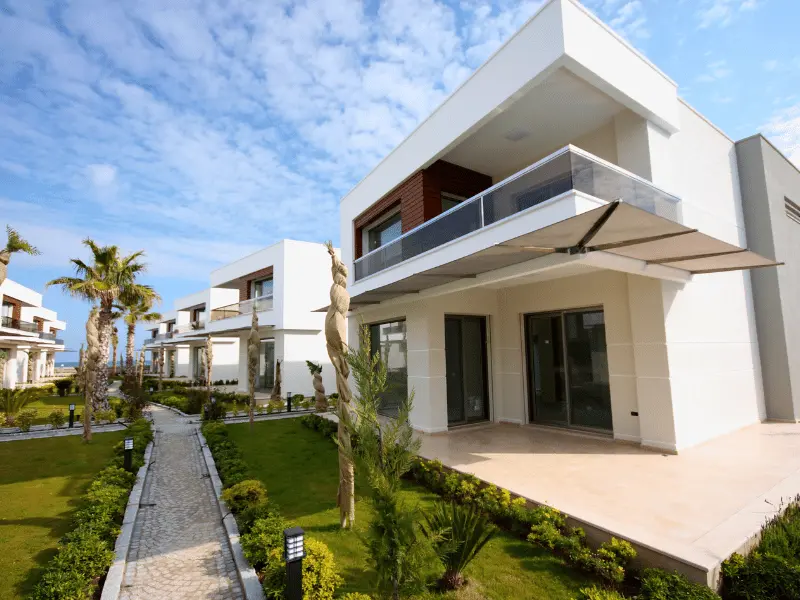
Before finalising the design, the existing villa should be assessed.
A professional renovation assessment should consider the architectural condition, existing finishes, electrical systems, plumbing, HVAC, waterproofing, ceilings, flooring, doors, windows, and other relevant building elements.
This stage can identify issues that may not be visible during a normal walkthrough.
For example, replacing bathroom finishes without checking the underlying waterproofing could mean dealing with the same problem again later. Similarly, a new interior layout may require changes to electrical circuits, plumbing, drainage, air-conditioning, or lighting.
A proper assessment helps establish:
- What can be retained
- What needs replacement
- What needs repair
- What can be modified
- What requires specialist design or engineering
- Where unexpected costs may occur
This information becomes the foundation for the renovation plan.
2. Define the Renovation Scope Before Construction
One of the most common causes of renovation budget increases is an unclear scope.
Before approaching contractors, decide which areas of the villa are actually being renovated.
A complete renovation could involve architecture, interior design, civil works, MEP, joinery, landscaping, and external works. A more focused renovation might involve only the kitchen, bathrooms, living areas, or selected bedrooms.
Create a room-by-room scope covering:
| Area | Possible Renovation Works |
|---|---|
| Entrance | Flooring, feature walls, lighting, doors |
| Living Room | Flooring, ceiling, lighting, joinery, finishes |
| Kitchen | Cabinets, worktops, appliances, plumbing, lighting |
| Bedrooms | Flooring, wardrobes, lighting, wall finishes |
| Bathrooms | Sanitary ware, shower areas, waterproofing, tiles |
| Outdoor Areas | Landscaping, paving, pergola, pool surroundings |
| MEP | Electrical, HVAC, plumbing and related upgrades |
| Smart Home | Lighting control, security, automation and connectivity |
The more clearly the scope is defined before receiving quotations, the easier it becomes to compare proposals and control variations during construction.
3. Establish a Realistic Renovation Budget
Luxury villa renovation does not have one fixed price.
The final cost depends on the size of the property, scope of work, design complexity, existing condition, material specifications, MEP requirements, custom joinery, landscaping, specialist systems, and level of finishing.
For this reason, homeowners should avoid choosing a contractor based solely on the lowest initial quotation.
A detailed budget should separate major categories such as:
- Design and consultancy
- Civil and architectural works
- MEP works
- Flooring and wall finishes
- Kitchen
- Bathrooms and sanitary ware
- Custom joinery
- Doors and hardware
- Lighting
- HVAC modifications
- Smart-home systems
- Landscaping and outdoor works
- Specialist installations
- Project management
- Approvals and related requirements
It is also sensible to maintain a contingency allowance for unforeseen conditions discovered after demolition or during construction.
4. Develop the Interior Design Around the Villa
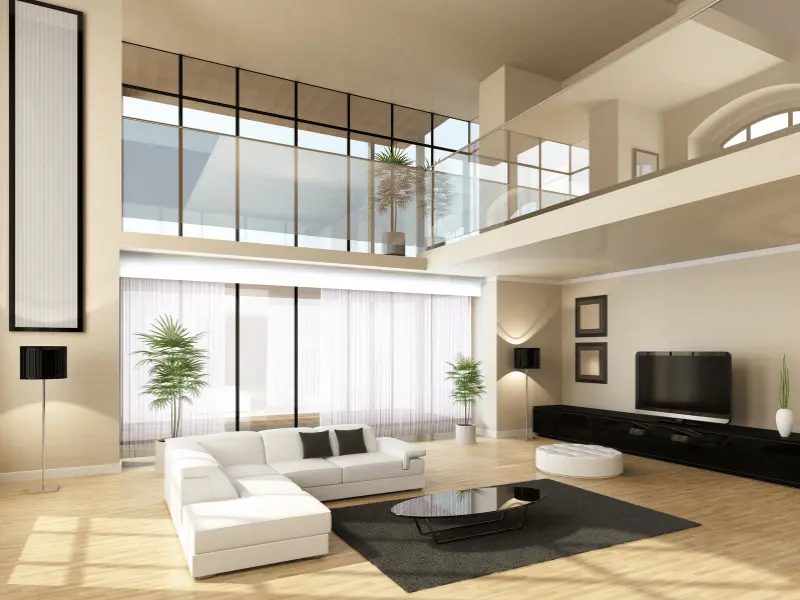
A luxury renovation should not feel like a collection of expensive materials.
The design needs to work as a complete environment.
In Emirates Hills villas, large spaces can create opportunities for stronger visual relationships between entrance areas, living rooms, dining spaces, staircases, bedrooms, and outdoor areas.
A well-planned design considers:
- Proportion and scale
- Natural light
- Circulation
- Views
- Privacy
- Furniture placement
- Storage
- Lighting
- Material transitions
- Indoor-outdoor connections
For example, a large living area may benefit from carefully positioned architectural lighting and custom joinery rather than simply adding more decorative elements.
The objective is to create a home that feels cohesive, comfortable, and appropriate for the property.
5. Select Materials Based on Performance as Well as Appearance
Luxury renovation is not only about selecting visually impressive materials.
Materials should also be appropriate for the UAE environment and the way the villa will be used.
When selecting flooring, countertops, bathroom finishes, cabinetry, doors, and outdoor materials, consider:
- Durability
- Maintenance requirements
- Moisture resistance
- Heat exposure
- Cleaning requirements
- Availability
- Replacement considerations
- Compatibility with existing construction
For high-use areas such as kitchens and bathrooms, performance can be just as important as appearance.
Material samples should ideally be reviewed together rather than individually. A stone sample, wood finish, metal detail, tile, paint colour, and fabric can look very different when placed together under the villa’s actual lighting conditions.
6. Do Not Overlook MEP Upgrades

MEP — mechanical, electrical and plumbing — is one of the most important parts of a villa renovation, even though much of it eventually becomes hidden behind walls and ceilings.
A major interior upgrade may require changes to:
- Air-conditioning
- Electrical distribution
- Lighting circuits
- Power outlets
- Plumbing
- Drainage
- Water systems
- Ventilation
- Internet and data infrastructure
- Smart-home systems
For example, installing a large kitchen with additional appliances may require electrical and plumbing changes. A new lighting concept can also require extensive electrical coordination.
Planning MEP together with the interior design helps reduce clashes and avoids making expensive changes after finishes have already been installed.
7. Plan Custom Joinery Early
Custom joinery can make a significant difference in a luxury villa renovation.
Wardrobes, kitchens, TV units, wall panelling, vanities, shelving, dressing rooms, doors, and other built-in elements should be coordinated early in the design process.
This is particularly important because joinery dimensions depend on actual site conditions.
Good joinery planning considers:
- Storage requirements
- Internal layouts
- Hardware
- Lighting integration
- Electrical points
- Ventilation requirements
- Material finishes
- Door clearances
- Ceiling and wall conditions
If possible, detailed shop drawings should be reviewed before production begins.
8. Consider Lighting as Part of the Architecture
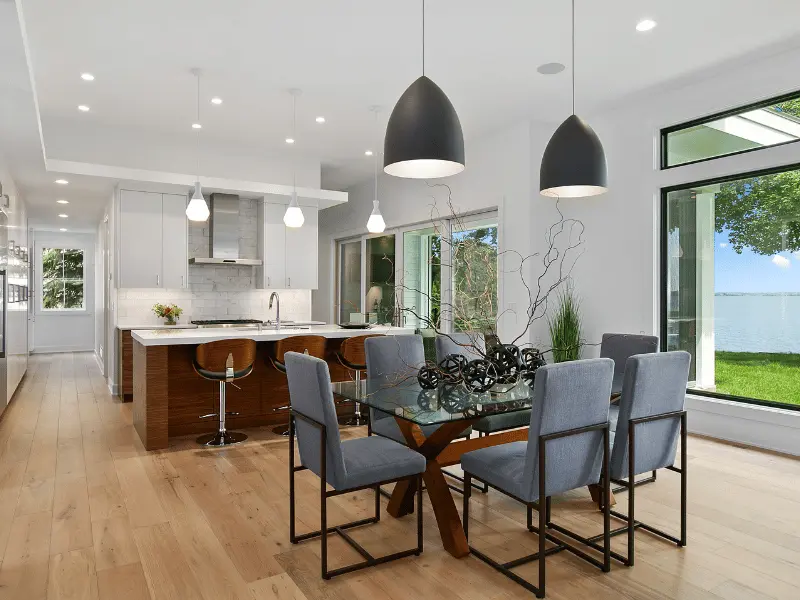
Lighting can dramatically change the atmosphere of a renovated villa.
Instead of relying entirely on decorative fixtures, develop a layered lighting strategy.
This may include:
Ambient lighting for general illumination.
Task lighting for kitchens, dressing areas, bathrooms, and workspaces.
Accent lighting for artwork, feature walls, architectural details, and joinery.
Decorative lighting for visual impact.
Dimmable systems can provide additional flexibility, allowing the same space to feel different during the day, evening, entertaining, or relaxation.
Lighting locations should be coordinated with furniture, ceiling design, joinery, and electrical layouts before installation.
9. Integrate Smart-Home Features During the Renovation
A renovation is often an opportunity to introduce or upgrade home automation.
Depending on the homeowner’s requirements, this could include:
- Lighting control
- Motorised curtains
- Climate control
- Security systems
- Access control
- Audio-visual systems
- Home networking
- Energy monitoring
- Automated scenes
The important point is to plan these systems early.
Trying to add extensive smart-home infrastructure after ceilings and walls have been completed can create unnecessary complications.
10. Plan Bathrooms Beyond the Visible Finishes
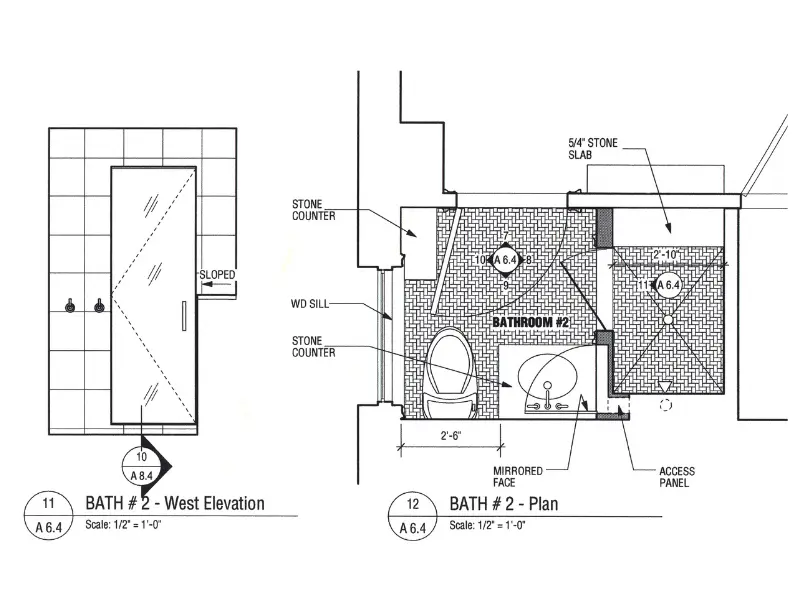
Luxury bathrooms often receive significant attention during villa renovations, but the most important work is not always what you see.
Before installing new tiles and sanitary ware, the underlying substrate, drainage, falls, pipe penetrations, and waterproofing should be properly checked.
A bathroom renovation should consider:
- Waterproofing
- Drainage
- Shower falls
- Plumbing
- Ventilation
- Sanitary ware
- Shower systems
- Vanity design
- Mirrors
- Lighting
- Storage
- Tile layout
Waterproofing should be treated as a technical system rather than simply another finish.
11. Don’t Forget the Exterior and Landscape
For a villa in Emirates Hills, the renovation should not necessarily stop at the front door.
Outdoor areas can be integrated into the overall design through:
- Landscaping
- Hardscaping
- Outdoor seating
- Pool surroundings
- Pergolas
- External lighting
- Walkways
- Planting
- Outdoor kitchens or entertaining areas
The transition between indoor and outdoor spaces is especially important in a large villa.
Materials, colours, lighting, and landscaping should complement the architectural character of the property rather than looking like separate projects.
12. Understand Approvals Before Starting Work
Depending on the proposed renovation, the property, community requirements, and nature of the works, approvals or NOCs may be required.
This is why homeowners should establish the approval requirements during the planning stage rather than after construction is ready to begin.
Potential requirements can vary according to the scope of work and may involve community management, relevant authorities, consultants, or specialist submissions.
A contractor or project team familiar with Dubai renovation processes can help identify the requirements applicable to the project and coordinate the necessary documentation.
13. Choose a Contractor Based on Scope, Not Just Price
A luxury villa renovation can involve multiple trades and specialist suppliers.
Choosing the right contractor is therefore about more than comparing the final number on a quotation.
When comparing contractors, look at:
- Relevant villa renovation experience
- Similar completed projects
- Design and technical capability
- MEP expertise
- Joinery capabilities
- Project management
- Quality-control procedures
- Material specifications
- Programme and expected timeline
- Warranty and after-sales support
- Clarity of the quotation
- Approach to variations
Ask for a clearly defined scope and make sure you understand what is included and excluded.
Two quotations can look similar at first glance while containing very different specifications.
14. Build a Realistic Renovation Programme
A villa renovation involves several stages, and many cannot happen simultaneously.
A typical project may progress through:
- Existing-condition assessment
- Design development
- Authority/community requirements
- Detailed drawings
- Material approvals
- Procurement
- Site preparation
- Demolition
- Civil and MEP works
- Waterproofing where required
- Ceiling and wall works
- Flooring and finishes
- Joinery installation
- Lighting and fixtures
- Testing and commissioning
- Snagging
- Final cleaning and handover
The exact duration depends on the villa and renovation scope.
Procurement should also be considered early because imported finishes, specialist fixtures, custom joinery, appliances, and bespoke items may require additional lead time.
15. Allow for Quality Control and Snagging
The final stage should not be rushed.
Before handover, the villa should be inspected systematically.
Check:
- Doors and hardware
- Flooring
- Paint finishes
- Joinery
- Cabinets
- Lighting
- Switches and sockets
- Plumbing fixtures
- Drainage
- HVAC operation
- Waterproofed areas
- Glass installations
- External works
- Smart-home systems
A proper snagging process identifies incomplete or defective work before the project is considered complete.
Final Thoughts
A successful villa renovation in Emirates Hills starts long before demolition begins.
The strongest results come from combining a clearly defined scope, realistic budgeting, thoughtful interior design, appropriate materials, coordinated MEP works, custom joinery, proper approvals, careful procurement, and disciplined site execution.
For a luxury property, the objective should not simply be to make the villa look newer. The renovation should improve how the home functions, feels, performs, and responds to the homeowner’s lifestyle.
At Sierra Turnkey Contracting, we approach villa renovation as an integrated process covering design, construction, interior fit-out, MEP, joinery, and related works. A coordinated approach can help reduce communication gaps between different trades and provide homeowners with a clearer path from initial concept to completed home.
If you are planning a villa renovation in Emirates Hills, start by defining your priorities, assessing the existing property, establishing your scope and budget, and developing the design before construction begins. Good planning at the beginning can make the renovation process considerably more predictable—and help turn a luxury home upgrade into a finished space that is both visually refined and practical for everyday living.