If you have requested quotations from two or three fit-out contractors for the same office, villa, retail space or commercial property, you may be surprised by the difference between the prices.
One contractor may quote significantly less than another, even though both have visited the site and received the same brief. This can leave you wondering: Why are contractor quotes so different? Is the cheaper contractor offering better value, or is something missing from the quotation?
The answer is usually more complicated than simply looking at the contractor’s profit margin.
A fit-out quotation is built around the project’s scope, specifications, existing site conditions, MEP requirements, materials, labour, approvals, programme and level of project management. If any of these assumptions differ between contractors, the final price can differ considerably.
That is why comparing the total at the bottom of two quotations is rarely enough.
Before choosing a fit-out contractor in Dubai or elsewhere in the UAE, check these five areas.
1. The Two Contractors May Not Be Pricing the Same Scope
The biggest reason two fit-out quotes can look dramatically different is that the contractors may not actually be pricing the same work.
This can happen even when both contractors have received the same drawings.
For example, one quotation may include:
- Demolition and disposal
- New partitions
- Ceiling works
- Flooring and floor preparation
- Electrical modifications
- HVAC adjustments
- Plumbing
- Lighting
- Joinery
- Painting
- Fire and life-safety modifications
- Authority submissions
- Testing and commissioning
Another contractor may include only some of these items while treating the rest as exclusions, provisional sums or client responsibilities.
The headline price will naturally be lower.
This is why a proper fit-out quote comparison should begin with the scope of work rather than the final price. Current Dubai fit-out guidance similarly recommends reviewing quotations line by line because different contractors may include different items even when they are responding to the same project.
What to check
Ask each contractor to clearly identify:
Included: What work is included in the quoted price?
Excluded: What will the contractor not provide?
Provisional: Which items are allowances rather than confirmed prices?
Client supply: Which materials, furniture or equipment must be supplied by you?
If one quotation is substantially cheaper, look for the missing scope before assuming you have found a better deal.
2. Material Specifications Can Change the Price
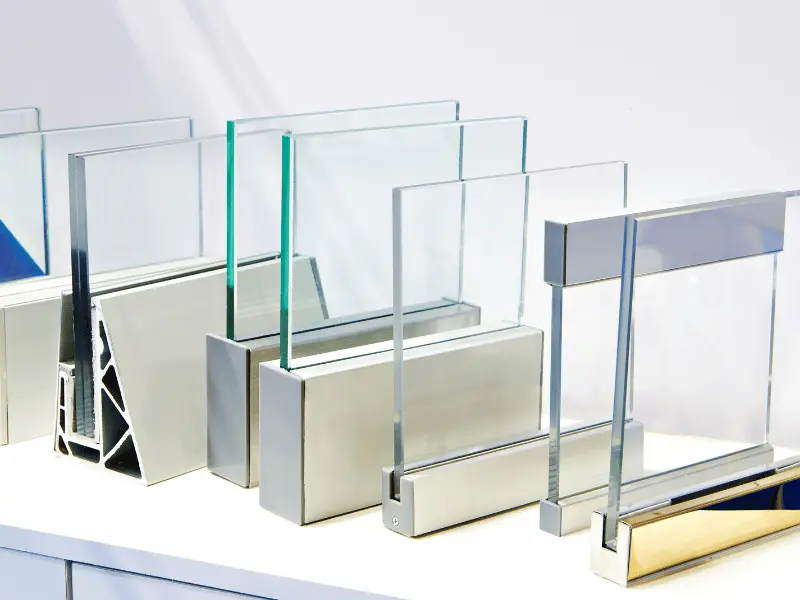
Two contractors can quote for “flooring”, “glass partitions”, “joinery” or “lighting” while pricing completely different specifications.
For example, a quotation may simply state:
Supply and installation of office flooring.
That description tells you very little.
What type of flooring is being proposed? What manufacturer or product range? What thickness, finish, performance rating and installation method?
The same issue applies to joinery.
“Custom reception counter” could mean a relatively simple laminate finish or a highly detailed feature reception using premium boards, specialist finishes, concealed lighting and upgraded hardware.
The difference can be substantial.
The same principle applies to:
- Glass thickness and framing systems
- Acoustic insulation
- Gypsum board specifications
- Ceiling systems
- Flooring
- Doors and ironmongery
- Lighting fixtures
- Sanitaryware
- Kitchen equipment
- Custom joinery
- Furniture
A cheaper quotation is not necessarily using inferior materials. The important point is that you need to know what has actually been specified before comparing prices.
Ask contractors to provide material specifications, product references, samples or allowances wherever appropriate.
If two quotations specify materially different products, they are not genuinely like-for-like quotations.
3. MEP Can Create a Major Difference Between Quotes
One of the areas that deserves particular attention when comparing office fit-out quotations is MEP — mechanical, electrical and plumbing.
“MEP included” is not a sufficiently detailed description.
For an office fit-out, electrical work could involve much more than installing a few sockets. Depending on the project, it may include power distribution, lighting, emergency lighting, data containment, DB modifications, additional circuits and other requirements.
Mechanical works may involve HVAC modifications, ductwork, diffusers, controls and coordination with the existing building system.
Plumbing may include pantry facilities, washrooms, drainage alterations or other services.
Fire and life-safety systems may also require modifications depending on the design and existing building conditions.
This is why professional fit-out quotations should make the MEP scope clear rather than hiding everything under one broad line item. Current Dubai-focused guidance specifically identifies MEP as an area where quotation differences can occur and recommends checking the individual components rather than assuming “MEP included” means the same thing in every proposal.
A useful question to ask
Instead of asking:
“Is MEP included?”
ask:
“Can you provide a detailed breakdown of the MEP works included in your quotation?”
Then compare the answers.
This can quickly explain why one Dubai fit-out contractor is considerably cheaper than another.
4. Exclusions and Provisional Sums Can Make a Quote Look Cheaper
This is one of the most important areas to investigate.
A quotation can appear highly competitive because certain costs have not been included in the confirmed total.
For example, a contractor might exclude:
- Authority fees
- Landlord requirements
- Additional electrical capacity
- HVAC modifications
- Floor preparation
- Specialist joinery
- Furniture
- IT infrastructure
- Fire-system modifications
- Waste removal
- Testing and commissioning
An exclusion does not automatically mean the contractor is doing anything wrong. Some items genuinely cannot be finalised until further information is available.
The problem occurs when clients compare the headline totals without adding those costs back into the comparison.
What is a provisional sum?
A provisional sum is an allowance for work that cannot yet be accurately priced because the scope or specification is not fully determined.
For example, the final requirement for a particular MEP modification may depend on further investigation.
A provisional sum can therefore be legitimate.
However, you should understand:
- Why the item is provisional
- What amount has been allowed
- What assumptions were used
- What could cause the amount to change
- When the final cost will be confirmed
Recent Dubai fit-out guidance also recommends checking the basis behind provisional sums and distinguishing them from confirmed pricing.
The key question
Don’t simply ask:
“Why is your quote cheaper?”
Ask:
“What is excluded from your quotation that is included in the other contractor’s proposal?”
That question can reveal the real reason for a major price difference.
5. You May Be Paying for Different Levels of Project Management and Accountability
A fit-out is not simply a collection of materials and construction activities.
There is also a significant coordination requirement behind the finished space.
Designers, site teams, specialist subcontractors, suppliers, building management and the client may all need to coordinate throughout the project.
One contractor may provide a dedicated project manager, regular site supervision, procurement coordination, programme management, technical coordination and structured handover.
Another may offer a more limited management service.
Both can produce a quotation, but they are not offering exactly the same service.
This is particularly important for businesses because a fit-out can run alongside normal operations. Delays, unclear responsibilities and poor coordination can create disruption beyond the construction cost itself.
When comparing fit-out contractors in Dubai, ask:
- Who will manage the project?
- Who is the main point of contact?
- Who coordinates subcontractors?
- Who manages procurement?
- How frequently will progress be reported?
- How are changes documented?
- How are variations approved?
- Who manages handover and snagging?
The cheapest construction price may not represent the lowest overall project risk.
What About Authority Approvals?
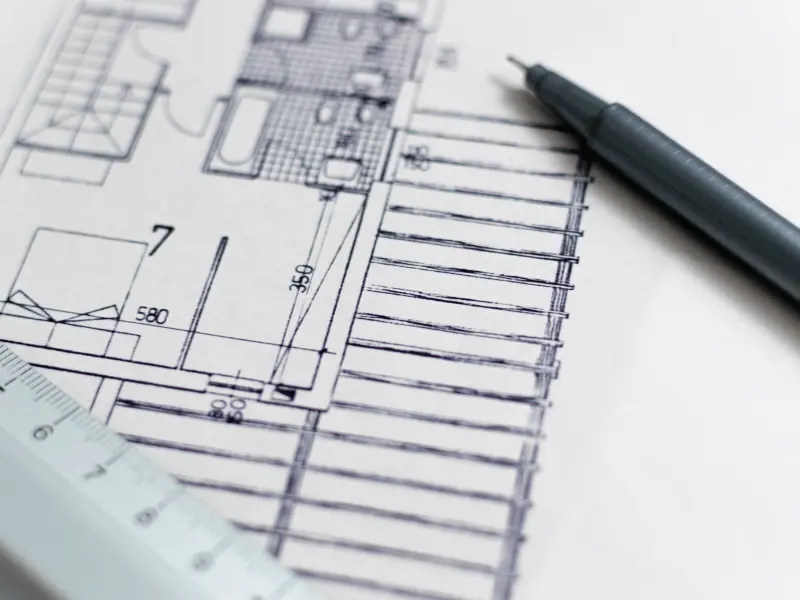
For many UAE fit-out projects, authority and building-management requirements need to be considered during planning and pricing.
The exact requirements depend on the property’s location, building, activity, landlord and scope of works.
Depending on the project, there may be requirements involving the landlord, Dubai Municipality, DDA, DMCC, Trakhees, Civil Defence, DEWA or another relevant authority.
The important point is not to assume that “approvals included” means the same thing in every quotation.
Ask whether the contractor is responsible for:
- Preparing submission drawings
- Making submissions
- Coordinating comments
- Obtaining approvals
- Paying authority or landlord fees
- Managing inspections
- Providing completion documentation
Current Dubai fit-out guidance also recommends clarifying exactly which approvals and associated responsibilities are included rather than relying on a generic “authority approval” line.
How to Compare Two Fit-Out Quotes Properly
Once you understand why quotations differ, the comparison becomes much easier.
Create a simple comparison table with the major project elements on the left and each contractor’s response alongside it.
For example:
| Item | Contractor A | Contractor B |
|---|---|---|
| Demolition | Included | Excluded |
| Partitions | Included | Included |
| Flooring | Premium specification | Standard specification |
| MEP | Detailed | Provisional |
| Joinery | Included | Partially included |
| Authority coordination | Included | Excluded |
| Project management | Included | Separate |
| Furniture | Excluded | Included |
| Warranty/defects period | Confirmed | Confirmed |
You may discover that a quotation that initially looked AED 100,000 cheaper is not actually AED 100,000 cheaper once the missing scope is accounted for.
This is called normalising the quotations — bringing different proposals onto a comparable basis.
The goal is not to make every contractor’s price identical. It is to understand why the prices differ.
Don’t Automatically Choose the Lowest Quote
There is nothing wrong with choosing the lowest quotation if it represents the same scope, specification, quality and contractual obligations as the alternatives.
The problem is choosing it simply because the number is smaller.
A low quote can be perfectly legitimate. A contractor may have better procurement arrangements, efficient operations, available resources or a different commercial structure.
Equally, a low quote may reflect:
- Missing scope
- Lower material specifications
- Underestimated quantities
- Unclear MEP requirements
- Excessive provisional sums
- Excluded professional services
- Unrealistic programme assumptions
You need to establish which explanation applies to your project.
Likewise, the highest quotation is not automatically the best. Paying more does not guarantee better workmanship, management or service.
The objective is value and certainty, not simply the highest or lowest price.
7 Questions to Ask Before Choosing Your Fit-Out Contractor
Before signing a fit-out contract, ask each contractor:
- Are all contractors pricing exactly the same scope?
- What materials and specifications have been allowed for?
- What MEP works are included?
- What has been excluded from the quotation?
- Which items are provisional sums or allowances?
- Who is responsible for approvals and project management?
- How will variations, defects and handover be handled?
If a contractor cannot clearly explain its own quotation, that is a reason to pause before making a decision.
A professional quotation should allow you to understand what you are buying, not leave you trying to interpret vague descriptions after the contract has been signed.
The Bottom Line: Compare What You’re Actually Buying
So, why are two fit-out quotes so different?
Usually, the answer is not one single factor.
The difference may come from the scope of work, material specifications, MEP requirements, exclusions, provisional sums, authority responsibilities, project management or site conditions.
That is why comparing only the final figure can be misleading.
When reviewing a fit-out quotation in Dubai, look beyond the price and ask what sits behind it.
A good quotation should give you enough information to understand:
- What is included
- What is excluded
- What materials are specified
- Which services are provisional
- Who is responsible for approvals
- How the project will be managed
- How changes will be handled
- What happens at handover
The best contractor is not necessarily the one with the cheapest quote. It is the contractor whose scope, specification, pricing, programme and responsibilities give you confidence that the final project will match what you agreed to.
For businesses, homeowners and property owners planning a fit-out in Dubai, taking the time to understand these differences before signing can help reduce surprises later and make the entire project easier to manage.
If you are comparing fit-out quotations, don’t just ask “Which contractor is cheaper?”
Ask the more useful question:
“Are these contractors actually offering me the same thing?”
That is where a meaningful comparison begins.
Frequently Asked Questions
Why are two contractor quotes so different?
Two contractor quotes can differ because contractors may price different scopes, materials, MEP requirements, quantities, project-management services, approvals and exclusions. Site conditions and programme requirements can also affect the final price.
Should I choose the cheapest fit-out contractor?
Not automatically. First confirm that the cheaper quotation includes the same scope, material specifications, MEP works, approvals, project management and contractual protections as the other proposals.
What should I check in a fit-out quotation?
Check the scope of work, material specifications, MEP breakdown, exclusions, provisional sums, authority responsibilities, programme, payment terms, project management, warranty and handover requirements.
Why is MEP important when comparing fit-out quotes?
MEP can include electrical, HVAC, plumbing, fire and other building-service requirements. A quotation that simply says “MEP included” may not provide enough detail to determine what has actually been priced.
What is a provisional sum in a fit-out quote?
A provisional sum is an allowance for an item that cannot yet be accurately priced because its scope or specification has not been fully determined. The quotation should explain the basis of the allowance and how the final cost will be established.
How can I compare fit-out quotes fairly?
Ask every contractor to price the same scope and specifications, then compare inclusions, exclusions, provisional sums and commercial terms line by line. This creates a more accurate like-for-like comparison than looking at the headline total alone.