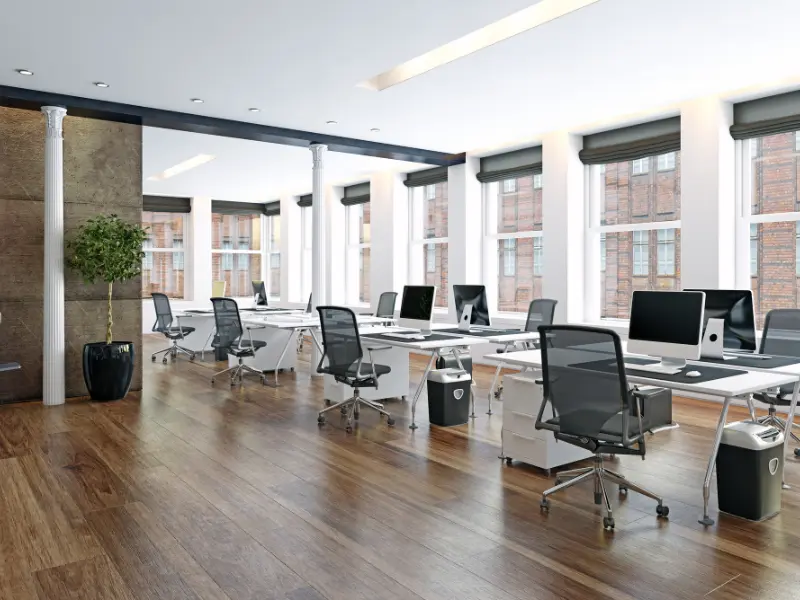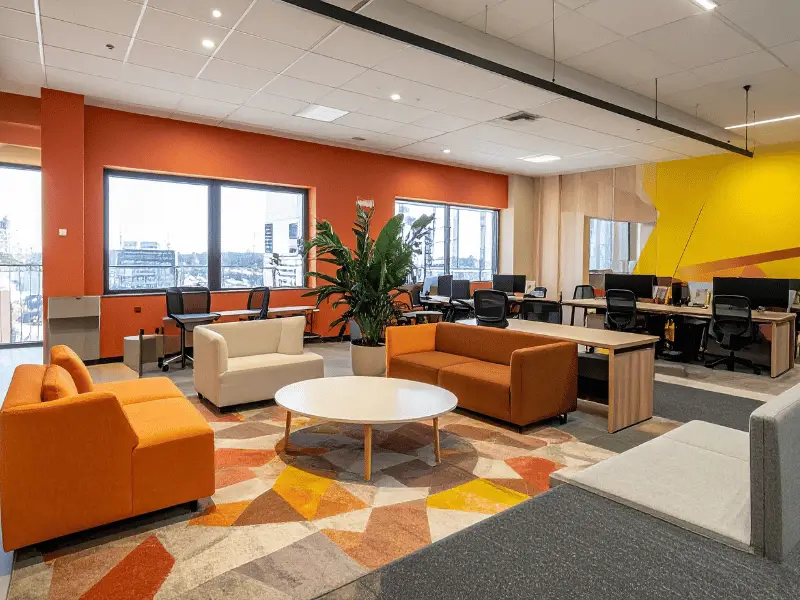
The modern office has changed dramatically over the last few years. Employees no longer come to the workplace simply because they have to—they come because they expect an environment that supports focus, collaboration, wellbeing, and flexibility.
Office utilization has risen significantly in recent years, showing that people still value in-person work. However, employees now expect more from their workplace experience. They want spaces that help them stay productive, reduce stress, and make their time in the office worthwhile.
This means office design is no longer just about aesthetics. A well-planned office fit-out can improve employee satisfaction, increase productivity, and support long-term business growth.
In this guide, we’ll explore the essential elements of a productive office and the latest workplace design trends shaping successful offices in 2026.
Why Office Design Matters More Than Ever
Office design is much more than choosing furniture, colours, and finishes.
Research shows that thoughtfully designed workplaces can significantly improve productivity, employee engagement, and overall wellbeing. Features such as better lighting, ergonomic furniture, acoustic planning, and flexible workspaces help teams perform at their best.
For growing businesses, investing in office design is not simply an expense—it is a strategic investment in people and performance.
Start With Data Before Designing Your Office
One of the biggest mistakes companies make is designing offices based on assumptions rather than actual workplace behaviour.
Before planning a fit-out, businesses should understand how employees currently use the space.
Useful data sources include:
- Occupancy tracking
- Meeting room usage
- Desk booking systems
- Employee surveys
- Workplace observations
This information helps businesses avoid wasting space and ensures budgets are spent on areas employees genuinely need and use.
Essential Elements of a Productive Office
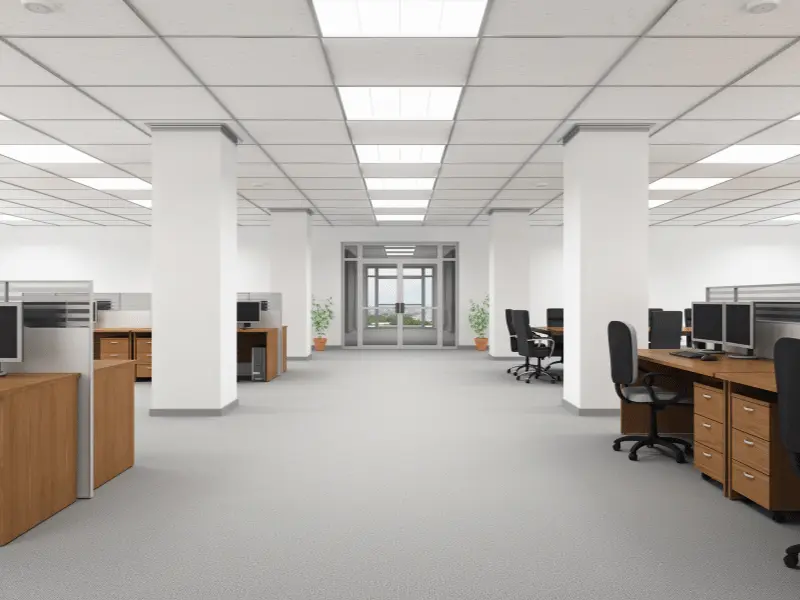
1. Reduce Clutter and Improve Storage
Cluttered environments can negatively impact concentration.
Smart storage solutions such as lockers, cable management systems, and integrated storage keep workspaces clean and organized while maintaining a comfortable and personalized environment.
2. Maximise Natural Light
Natural light remains one of the most desired workplace features.
It supports healthy sleep patterns, improves mood, and helps employees feel more energized throughout the day.
Where daylight is limited, adjustable LED lighting systems can help recreate a more natural environment.
3. Invest in Ergonomic Furniture
Comfort directly affects productivity.
Height-adjustable desks, supportive seating, and monitor arms help reduce physical strain and encourage healthier working habits.
Ergonomic furniture should be considered a standard workplace requirement rather than a premium upgrade.
4. Use Colours Strategically
Colour psychology plays an important role in workplace design.
Cool tones such as blue and green promote concentration, while warmer colours encourage social interaction and collaboration.
A balanced palette creates a more inviting and inspiring office environment.
5. Incorporate Biophilic Design
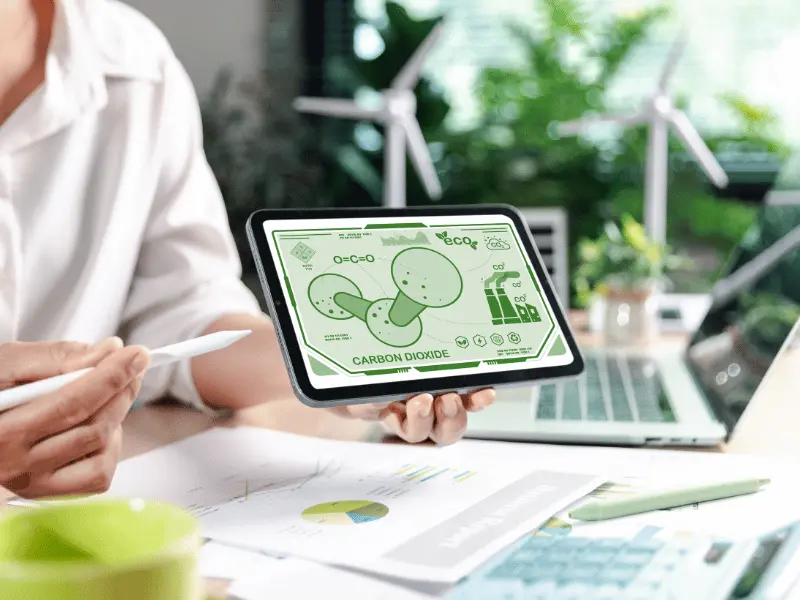
Biophilic design focuses on connecting people with nature.
Adding plants, natural materials, wood textures, and views of greenery can enhance wellbeing, reduce stress, and even support creativity.
Small design decisions can have a meaningful impact on employee experience.
Workplace Trends Defining Office Design in 2026
Acoustic Zoning
Noise remains one of the biggest workplace distractions.
Successful offices now separate spaces into dedicated zones for:
- Focus work
- Collaboration
- Meetings
- Social interaction
Phone booths, acoustic panels, soft furnishings, and buffer spaces help reduce interruptions and improve concentration.
Better Indoor Air Quality
Clean air has become a major priority in modern offices.
Many workplaces now use environmental monitoring systems to track:
- Temperature
- Humidity
- Carbon dioxide levels
- Air quality
These systems create healthier indoor environments and support employee wellbeing.
Smart Workplace Technology
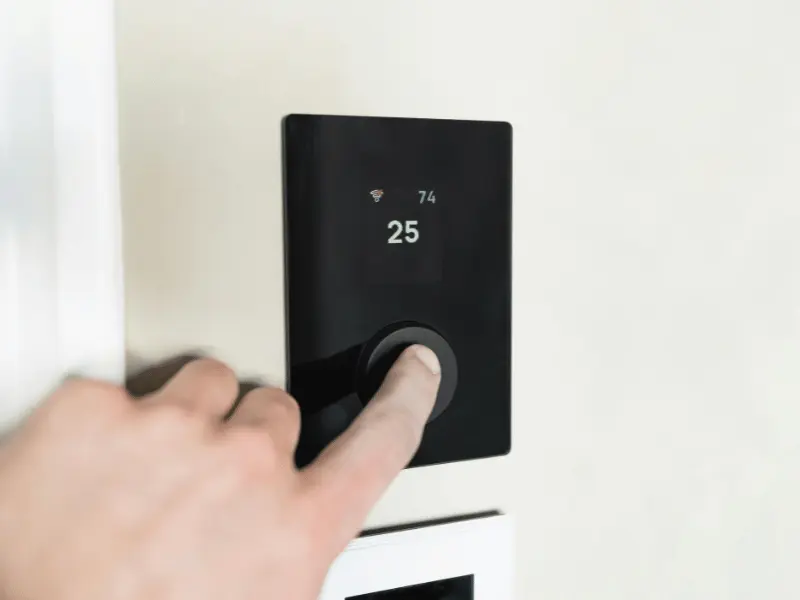
Technology is making offices more responsive and efficient.
Examples include:
- Intelligent lighting systems
- Automated climate control
- Smart room booking platforms
- Occupancy sensors
- AI-enabled workplace management tools
These features improve the employee experience while helping businesses optimize operations.
Neuroinclusive Design
Modern offices are increasingly designed to accommodate different working styles and sensory preferences.
Features may include:
- Quiet rooms
- Adjustable lighting
- Clear wayfinding
- Low-stimulation spaces
- Flexible seating options
Creating choice allows employees to work in environments that suit their individual needs.
Activity-Based Working
Rather than assigning employees to permanent desks, many businesses are adopting activity-based workplaces.
Employees can choose spaces based on the task they are performing, including:
- Focus rooms
- Collaboration hubs
- Meeting spaces
- Informal lounges
- Phone booths
This approach improves flexibility and helps businesses make better use of available space.
Designing Offices for Hybrid Teams
Hybrid work continues to influence office planning in 2026.
Successful workplaces now prioritize:
- Technology-enabled meeting rooms
- Bookable focus spaces
- Collaboration zones
- Flexible seating arrangements
- Shared amenities that encourage employees to spend time in the office
The goal is to create a workplace people genuinely want to use.
How to Plan a Successful Office Fit-Out
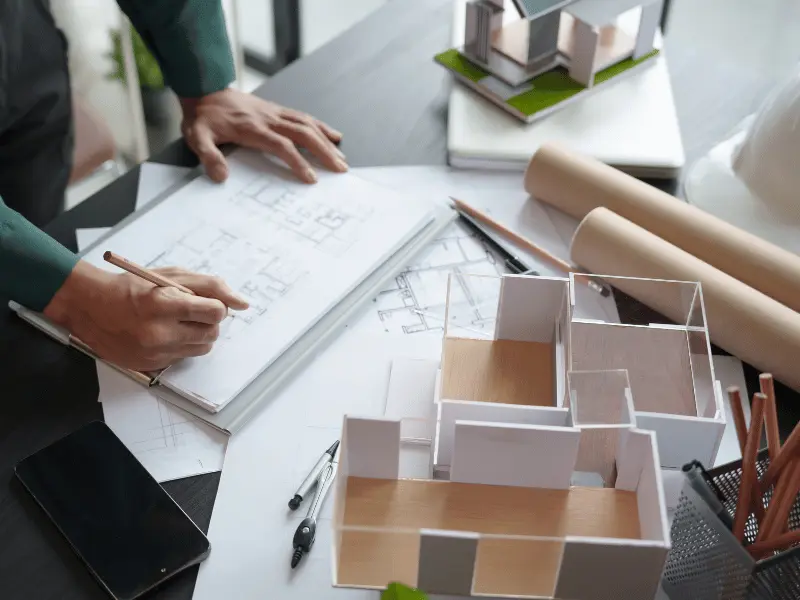
A productive office starts with a clear strategy.
Before beginning a fit-out project, businesses should:
- Define workplace objectives
- Establish a realistic budget
- Choose an experienced fit-out partner
- Design for future growth
- Incorporate flexibility into layouts and infrastructure
A thoughtful approach helps ensure long-term value and adaptability.
Measuring Office Performance After Completion
Office design should continue evolving even after the project is complete.
Businesses should regularly assess workplace performance by reviewing:
- Employee feedback
- Space utilization data
- Meeting room usage
- Retention rates
- Employee satisfaction scores
Continuous improvement ensures the workplace remains aligned with changing business needs.
Final Thoughts
A productive office in 2026 is built around people.
It combines ergonomic furniture, acoustic comfort, biophilic elements, smart technology, flexible layouts, and healthy indoor environments to create spaces where employees can thrive.
The most successful businesses are not necessarily those spending the most—they are the ones designing workplaces based on real employee needs and long-term goals.
If you’re planning an office fit-out, focusing on functionality, wellbeing, and flexibility will help create a workspace that delivers lasting value for both employees and the business.