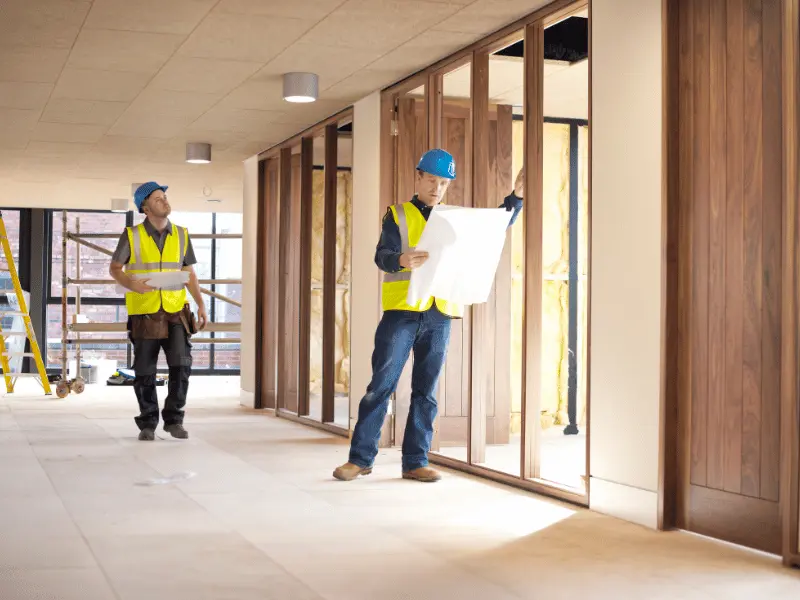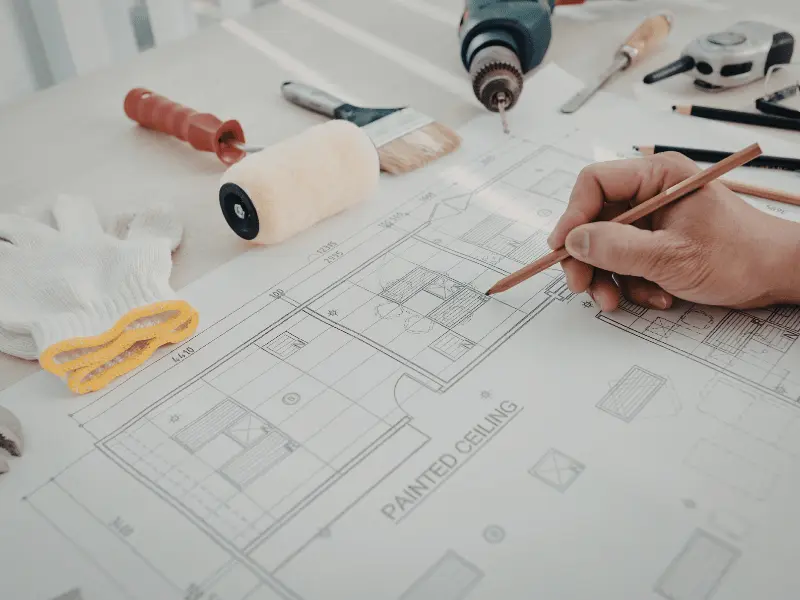
Planning an office, villa, restaurant, retail store, or commercial renovation in Dubai involves more than choosing finishes and furniture. One of the biggest decisions you’ll make happens before construction even begins:
Should you hire one turnkey fit-out contractor or manage multiple contractors yourself?
At first glance, hiring separate designers, civil contractors, MEP specialists, joinery companies, and landscapers may seem like a way to save money. In reality, it often creates coordination challenges, delays, and unexpected costs that can affect the entire project.
A turnkey fit-out offers a different approach. Instead of juggling several companies, you work with a single contractor responsible for design, approvals, procurement, construction, quality control, and handover.
This guide explains the differences, compares costs and timelines, outlines the pros and cons of each model, and helps you decide which approach is best for your project in Dubai.
What Is a Turnkey Fit-Out?

A turnkey fit-out is a complete design-and-build solution where one company manages every stage of the project until the space is ready for immediate use.
Rather than coordinating multiple vendors, you have one contract, one project manager, and one point of accountability.
A professional turnkey contractor typically handles:
- Interior design and space planning
- 2D drawings and 3D visualizations
- Budget planning
- Material selection
- Authority approvals
- Civil works
- Electrical and plumbing installations (MEP)
- HVAC coordination
- Ceiling and partition systems
- Flooring and wall finishes
- Custom joinery
- Furniture procurement
- Lighting installation
- Smart home integration
- Landscaping and outdoor works (where applicable)
- Final inspection
- Snagging
- Handover
Once the project is complete, the client receives a fully finished, operational space.
What Does Hiring Multiple Contractors Mean?

The traditional approach involves appointing different specialists for different tasks.
A typical project may include:
- Interior designer
- Architect
- Civil contractor
- Electrical contractor
- Plumbing contractor
- Joinery company
- Furniture supplier
- Landscaping contractor
- Swimming pool contractor
- AV contractor
- IT contractor
In this model, the property owner—or an independently hired project manager—is responsible for coordinating everyone.
While this approach can work for highly specialized projects, it often requires significant time, technical knowledge, and constant supervision.
Turnkey Fit-Out vs Hiring Multiple Contractors: Side-by-Side Comparison
| Factor | Turnkey Fit-Out | Multiple Contractors |
|---|---|---|
| Contracts | One | Multiple |
| Project Management | Contractor | Client or hired PM |
| Communication | Single point of contact | Multiple vendors |
| Design Coordination | Fully integrated | Can vary between consultants |
| Budget Control | Easier | More difficult |
| Timeline | Faster | Longer due to coordination |
| Authority Approvals | Managed by contractor | Shared or client-managed |
| Procurement | Centralized | Multiple suppliers |
| Quality Control | Unified standards | Varies by contractor |
| Warranty | One warranty process | Separate warranties |
| Risk of Delays | Lower | Higher |
Hidden costs in traditional projects often include:
- Variation orders
- Material delivery delays
- Repeated site visits
- Conflicting contractor schedules
- Design revisions
- Duplicate mobilization charges
- Procurement inefficiencies
A detailed Bill of Quantities (BOQ) and transparent scope of work are essential, regardless of the delivery model.
Timeline Comparison
Time is especially valuable for commercial spaces, where delays can postpone business operations.
Typical Turnkey Timeline
- Initial consultation
- Site survey
- Concept design
- 3D visualization
- Budget approval
- Authority submissions
- Procurement
- Construction
- Quality inspection
- Handover
Many activities overlap, allowing procurement to begin while approvals are progressing.
Traditional Timeline
- Hire designer
- Complete design
- Tender construction
- Compare quotations
- Hire contractors
- Coordinate procurement
- Begin construction
- Resolve coordination issues
- Complete inspections
Each stage depends on the previous one, making delays more likely.
Authority Approvals in Dubai
Most interior projects require approvals before work begins.
Depending on the project location and type, approvals may involve:
- Dubai Municipality (DM)
- Dubai Civil Defence (DCD)
- Dubai Development Authority (DDA)
- Trakhees
- DEWA
- Building management
- Master developers such as Emaar, Nakheel, Meraas, or Dubai Properties
A turnkey contractor familiar with these processes can streamline submissions, respond to comments efficiently, and coordinate inspections, helping to reduce approval-related delays.
Advantages of Choosing a Turnkey Fit-Out
One Point of Accountability
Instead of contacting several vendors, you communicate with one dedicated project manager.
Better Budget Control
A comprehensive quotation reduces unexpected expenses and makes financial planning easier.
Faster Project Delivery
Integrated scheduling allows multiple activities to progress simultaneously.
Consistent Design Quality
Because one team manages the project from concept to completion, finishes, materials, and workmanship are more cohesive.
Simplified Warranty
Any post-handover issues are handled through one contractor instead of multiple companies.
Less Stress
Clients can focus on their business or personal priorities rather than coordinating daily construction activities.
When Hiring Multiple Contractors Makes Sense

Despite its challenges, this approach can still be appropriate in certain situations.
It may suit projects where:
- The client has extensive construction experience.
- An in-house project management team is available.
- The renovation is small and straightforward.
- Specialist craftsmanship is required for a unique design.
- Existing relationships with trusted subcontractors already exist.
For complex commercial, hospitality, or luxury residential projects, however, the coordination burden generally outweighs the potential benefits.
Common Mistakes to Avoid
Choosing the wrong delivery model is only one risk. Watch out for these common mistakes:
- Selecting a contractor based solely on the lowest price.
- Accepting vague quotations without a detailed BOQ.
- Overlooking authority approval requirements.
- Paying large upfront deposits without milestone-based payments.
- Failing to review warranties and defect liability terms.
- Not confirming whether materials match the quoted specifications.
- Skipping site visits to previous completed projects.
Questions to Ask Before Hiring Any Fit-Out Contractor
Before signing a contract, ask:
- Is your company licensed for fit-out works in Dubai?
- Have you completed projects similar to mine?
- Will you manage all authority approvals?
- Is the quotation fully itemized?
- Who will be my project manager?
- How often will I receive progress updates?
- What is included in the warranty?
- Are there any exclusions from the quoted price?
- Can I visit a completed project?
- How do you handle variations during construction?
Clear answers to these questions help establish transparency and reduce misunderstandings later.
Which Option Is Best for Different Project Types?
| Project Type | Recommended Approach |
|---|---|
| Office Fit-Out | Turnkey |
| Restaurant | Turnkey |
| Retail Store | Turnkey |
| Clinic | Turnkey |
| Hotel | Turnkey |
| Luxury Villa | Turnkey |
| Apartment Renovation | Depends on scope |
| Small Home Refresh | Multiple contractors may be suitable |
Why More Dubai Property Owners Are Choosing Turnkey

Dubai’s construction industry operates under strict regulations, ambitious timelines, and high expectations for quality.
As projects become more complex, the advantages of integrated delivery become increasingly valuable.
A turnkey approach offers:
- Better coordination
- Greater accountability
- More predictable budgets
- Improved quality assurance
- Faster completion
- Reduced administrative burden
- Easier communication
- Streamlined approvals
- A single warranty process
These benefits are particularly important for businesses that want to minimize downtime and homeowners seeking a smoother renovation experience.
Frequently Asked Questions
Is a turnkey fit-out more expensive?
Not necessarily. While the initial quotation may appear higher, integrated project management often reduces hidden costs, delays, and rework, making the overall project more cost-effective.
Who manages authority approvals in a turnkey project?
In most cases, the turnkey contractor prepares documentation, coordinates submissions, and manages communication with the relevant authorities, subject to the agreed scope of work.
Can I supply my own materials?
Many contractors allow clients to supply selected materials or finishes. Clarify responsibilities, warranties, and timelines before construction begins.
How long does a turnkey fit-out take?
The duration depends on the project size, complexity, and approval requirements. Smaller projects may take several weeks, while larger commercial developments can require several months.
What should be included in a fit-out quotation?
A comprehensive quotation should include the scope of work, material specifications, quantities, project timeline, payment schedule, exclusions, warranty terms, and authority-related responsibilities.
Final Thoughts
Choosing between a turnkey fit-out and hiring multiple contractors is not simply about comparing prices—it is about balancing cost, time, quality, and risk.
For most residential, commercial, hospitality, and retail projects in Dubai, a turnkey model provides a more streamlined and accountable delivery process. With one experienced contractor overseeing design, approvals, procurement, construction, and handover, clients benefit from clearer communication, better coordination, and greater confidence throughout the project.
That said, every project is unique. Before making a decision, compare detailed quotations, review previous work, verify licensing and approval expertise, and ensure the scope of work is fully documented. An informed choice at the beginning of the project can help avoid costly delays and create a smoother path to a successful fit-out.