

Living in the UAE means enjoying modern comforts year-round, but it also comes with one unavoidable expense—electricity. Whether you’re renting a one-bedroom apartment in Dubai Marina or living in a spacious family apartment in Abu Dhabi, electricity bills can rise significantly, especially during the hot summer months.
Many residents assume that high DEWA bills are simply the price of living in the UAE. In reality, your monthly electricity costs are influenced by several controllable factors, including air conditioning habits, appliance efficiency, insulation quality, and your understanding of DEWA’s billing system.
The good news is that reducing your electricity bill doesn’t mean sacrificing comfort. Small lifestyle changes combined with smart home improvements can noticeably reduce your monthly expenses while extending the lifespan of your appliances and reducing your environmental impact.
In this guide, you’ll learn exactly how to reduce electricity bills in UAE apartments, understand why your bill increases during certain months, and discover practical strategies used by energy professionals to lower electricity consumption without compromising comfort.
Key Takeaways
- Air conditioning accounts for the largest portion of electricity consumption in most UAE apartments.
- Understanding DEWA’s progressive tariff system helps you avoid higher electricity charges.
- Smart thermostat settings and regular AC maintenance can significantly reduce energy usage.
- Simple home improvements such as sealing air leaks and switching to LED lighting can provide long-term savings.
- DEWA Smart Living tools allow residents to monitor electricity usage and identify abnormal consumption before bills increase.
Why Are Electricity Bills So High in UAE Apartments?

One of the biggest misconceptions among residents is that electricity prices in Dubai are expensive. In reality, most high electricity bills result from increased consumption rather than high electricity rates.
Several factors contribute to rising electricity bills throughout the year.
1. Extreme Summer Temperatures
Summer temperatures regularly exceed 45°C, forcing air conditioning systems to operate for extended periods.
Unlike many countries where heating is the primary energy expense during winter, UAE households rely heavily on cooling for nearly six months each year. Even well-maintained air conditioners consume substantial electricity when outdoor temperatures remain extremely high.
2. Air Conditioning Runs Almost Continuously
For most apartments, air conditioning represents the single largest electricity expense.
Your AC doesn’t simply cool the air—it also removes humidity, maintains indoor comfort, and compensates for heat entering through windows, walls, ceilings, and doors.
If your apartment has:
- poor insulation,
- direct afternoon sunlight,
- dirty AC filters,
- blocked air vents,
- or refrigerant issues,
your cooling system works much harder than necessary, increasing electricity consumption.
3. Higher Household Occupancy
Remote work and hybrid working arrangements mean many residents now spend significantly more time at home than before.
More hours at home usually means:
- longer AC operation,
- additional lighting,
- increased cooking,
- more appliance use,
- higher water heater usage.
These small increases quickly accumulate over an entire month.
4. Older Buildings Waste More Energy
Not every apartment in Dubai was built to today’s energy-efficiency standards.
Older buildings often feature:
- Single-glazed windows
- Aging HVAC systems
- Inadequate wall insulation
- Inefficient lighting
- Worn-out door seals.
These inefficiencies force cooling systems to operate longer, increasing electricity costs.
Understanding Your DEWA Electricity Bill
Many residents only look at the final amount due, but understanding each section of your DEWA bill helps identify opportunities to save money.
A typical electricity bill includes several components:
| Charge | Description |
|---|---|
| Electricity Consumption | Charged based on monthly kWh usage. |
| Fuel Surcharge | Additional charge applied per unit of electricity consumed. |
| Water Charges | Based on total water usage. |
| Housing Fee | Dubai Municipality fee calculated from annual rent (where applicable). |
| Sewerage Charges | Based on water consumption. |
| VAT | Applied to applicable charges. |
Rather than focusing solely on electricity consumption, review your bill every month to identify trends. A sudden increase could indicate:
- Increased AC usage
- A faulty appliance
- Water leaks
- Thermostat changes
- Seasonal temperature increases.
Monitoring these changes regularly allows you to take corrective action before costs escalate.
How the DEWA Tariff System Affects Your Monthly Bill
DEWA uses a progressive tariff system, meaning the more electricity you consume during a billing cycle, the higher the rate for additional units.
This encourages efficient electricity usage while discouraging excessive consumption.
Instead of paying one flat rate for every kilowatt-hour (kWh), electricity is charged in consumption bands (or slabs).
For apartment residents, this means crossing into a higher consumption tier can noticeably increase your monthly bill, even if your usage only rises slightly.
Why This Matters
Imagine two apartments with similar occupancy:
Apartment A keeps the thermostat at 24°C, performs regular AC maintenance, and uses LED lighting.
Apartment B sets the AC to 19°C, has clogged filters, and uses older appliances.
Although both households are similar in size, Apartment B may consume hundreds of additional kilowatt-hours every month, pushing it into a higher tariff band and increasing the total bill.
Understanding your consumption helps you avoid unnecessary costs.
The Biggest Electricity Consumers in Your Apartment
Many residents overestimate how much lighting contributes to their electricity bill.
In reality, a handful of appliances account for most household energy consumption.
| Appliance | Typical Energy Impact |
|---|---|
| Air Conditioner | Very High |
| Water Heater | High |
| Refrigerator | Medium–High |
| Electric Oven | Medium |
| Washing Machine | Medium |
| Clothes Dryer | Medium |
| Dishwasher | Medium |
| Lighting | Low (with LEDs) |
| Television & Electronics | Low–Medium |
The key isn’t eliminating these appliances—it’s using them more efficiently.
Why Air Conditioning Has the Greatest Impact on Your Bill
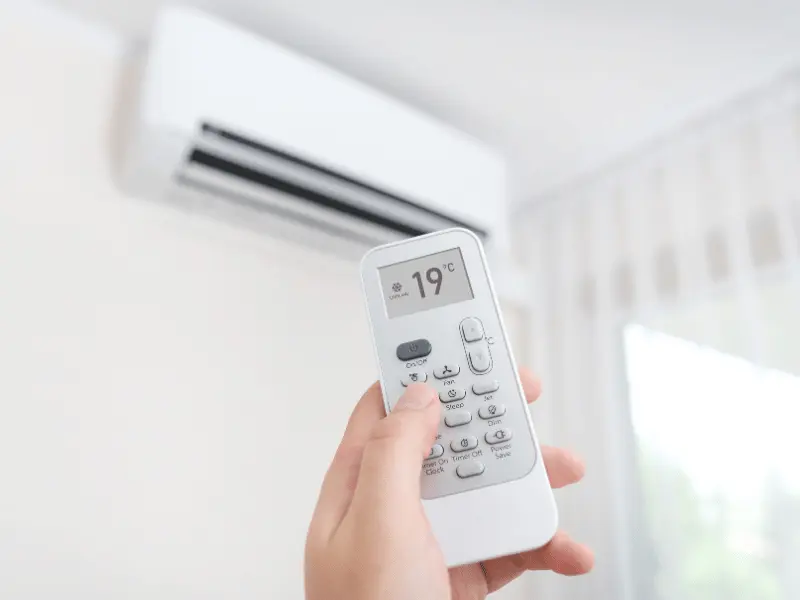
In the UAE, air conditioning is essential rather than optional. However, it can also be the biggest contributor to rising electricity costs.
Several factors influence how efficiently your AC operates.
Dirty Filters
Clogged filters restrict airflow, forcing the system to work harder and consume more electricity.
Cleaning or replacing filters every month during summer helps maintain efficiency and improves indoor air quality.
Incorrect Thermostat Settings
Lower temperatures don’t cool your apartment faster—they simply make the AC run longer.
For most households, 24°C offers the best balance between comfort and energy efficiency.
Each degree below this setting can increase cooling energy consumption considerably over time.
Poor Airflow
Blocked vents, closed interior doors, or furniture placed in front of supply vents prevent conditioned air from circulating effectively.
Ensure all vents remain unobstructed to maximize cooling performance.
Lack of Professional Maintenance
Even high-quality AC systems lose efficiency without regular servicing.
Professional maintenance typically includes:
- cleaning evaporator and condenser coils,
- checking refrigerant levels,
- inspecting electrical components
- cleaning drainage lines,
- testing thermostat calibration.
Preventive maintenance not only improves efficiency but also helps avoid costly repairs during peak summer months.
Smart Thermostat Habits That Reduce Electricity Bills
Changing thermostat habits is one of the easiest ways to reduce electricity costs without making major investments.
Follow these simple practices:
✔ Keep the thermostat at 24°C when you’re home.
✔ Increase it slightly when leaving the apartment instead of switching the AC off completely.
✔ Use ceiling fans to improve comfort while allowing slightly higher thermostat settings.
✔ Close curtains or blinds during the hottest hours to reduce heat gain.
✔ Avoid constantly changing the thermostat throughout the day.
Consistent settings help your cooling system operate more efficiently.
Common Mistakes That Increase Electricity Costs
Many residents unknowingly waste electricity every day.
Avoid these common mistakes:
- Leaving balcony doors slightly open while the AC is running.
- Ignoring dirty AC filters.
- Running half-empty washing machines.
- Keeping the water heater on continuously.
- Using old incandescent or halogen bulbs.
- Placing refrigerators near ovens or direct sunlight.
- Charging devices overnight unnecessarily.
- Ignoring unusual increases shown in the DEWA app.
Small habits may seem insignificant individually, but together they can add hundreds of dirhams to your annual electricity costs.
Use DEWA Smart Living to Monitor Your Electricity Usage
One of the most effective yet underused tools for reducing electricity bills is the DEWA Smart Living Dashboard. Available through the DEWA website and mobile app, it gives residents a detailed overview of their daily, weekly, monthly, and yearly electricity and water consumption.
Instead of waiting until your monthly bill arrives, you can identify unusual spikes in usage as they happen.
Key Smart Living Features
- Daily Consumption Monitoring: Track electricity usage to identify high-consumption days.
- Monthly Trends: Compare your current month’s usage with previous months.
- High Usage Alerts: Receive notifications if your electricity or water consumption increases unexpectedly.
- Away Mode: Monitor your property while you’re on vacation or away for an extended period.
- Consumption Assessment: Get personalized recommendations based on your household’s energy profile.
These features help you detect hidden issues such as faulty appliances, excessive AC usage, or water leaks before they significantly increase your utility bill.
Improve Your Apartment’s Energy Efficiency
Even if your appliances are energy-efficient, your apartment itself plays a major role in determining how much electricity you consume.
Seal Air Leaks
Cool air escaping through small gaps around doors and windows forces your AC to work harder.
Check for:
- Balcony door gaps
- Window frame leaks
- Poorly sealed utility openings
- Worn weather stripping
A simple weatherproofing upgrade can improve cooling efficiency and reduce unnecessary energy loss.
Block Heat from Entering
Solar heat gain is one of the biggest reasons apartments become warmer during the day.
Simple solutions include:
- Blackout curtains
- Reflective window films
- Thermal blinds
- Keeping curtains closed during afternoon hours
These measures reduce indoor temperatures naturally, allowing your AC to cycle less frequently.
Switch to LED Lighting
Traditional incandescent and halogen bulbs waste a significant portion of their energy as heat.
LED bulbs:
- Use up to 80% less electricity.
- Last much longer than conventional bulbs.
- Produce less heat, reducing the load on your air conditioning system.
Replacing every frequently used bulb in your apartment with LED alternatives is one of the quickest energy-saving upgrades.
Upgrade to Energy-Efficient Appliances
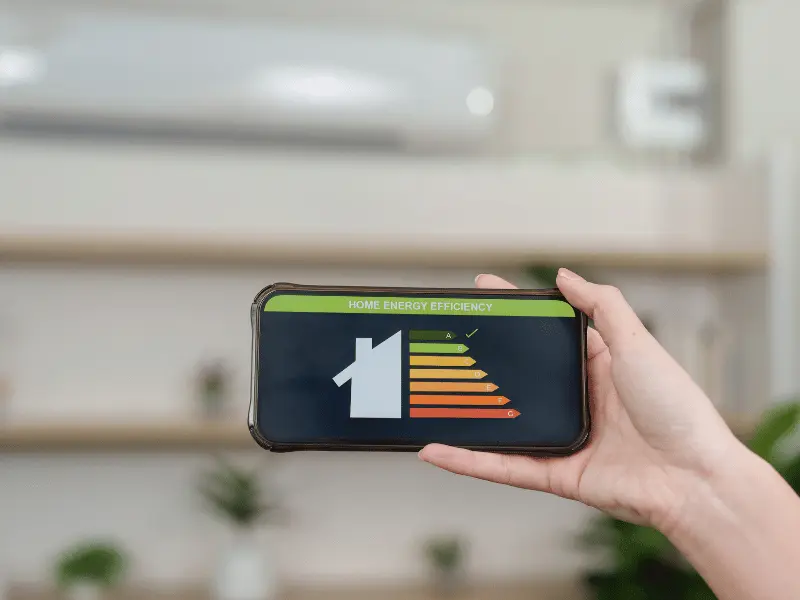
Older appliances often consume significantly more electricity than modern, energy-efficient models.
When replacing appliances, look for high energy-efficiency ratings.
Priority upgrades include:
Air Conditioner
Modern inverter AC systems adjust compressor speed based on cooling demand, reducing electricity consumption compared to traditional fixed-speed units.
Refrigerator
Choose models with high energy-efficiency ratings and ensure they are installed away from ovens or direct sunlight.
Washing Machine
Use Eco Mode whenever possible and wash full loads instead of multiple smaller loads.
Water Heater
Consider installing programmable timers or smart controls so the water heater operates only when needed.
Smart Home Technology That Saves Electricity
Smart home devices can help automate energy savings without affecting your daily routine.
Useful upgrades include:
Smart Thermostats
A programmable thermostat can automatically:
- Increase the temperature when you’re away.
- Return to your preferred setting before you arrive home.
- Reduce unnecessary cooling during sleeping hours.
Smart Plugs
Smart plugs automatically disconnect standby power from electronics such as:
- Televisions
- Gaming consoles
- Chargers
- Coffee machines
- Entertainment systems
This helps eliminate “phantom power,” which can contribute to unnecessary electricity consumption over time.
Motion Sensor Lighting
Install motion sensors in:
- Bathrooms
- Corridors
- Storage rooms
- Balconies
Lights turn off automatically when no movement is detected, reducing wasted electricity.
Kitchen Energy-Saving Tips
The kitchen contains several high-energy appliances that are used every day.
Simple habits can make a noticeable difference.
Refrigerator
- Keep the door closed whenever possible.
- Allow hot food to cool before refrigeration.
- Clean condenser coils regularly.
- Maintain adequate space around the appliance for ventilation.
Electric Oven
Cook multiple dishes simultaneously whenever practical.
Avoid opening the oven door repeatedly, as each opening releases heat and increases cooking time.
Dishwasher
Operate the dishwasher only when full.
Use Eco Mode whenever available.
Reduce Water Heater Electricity Consumption
Water heaters are among the most overlooked contributors to electricity bills.
Best practices include:
- Set the thermostat between 50–60°C.
- Install an insulated jacket if appropriate.
- Turn the heater off during extended absences.
- Repair dripping hot-water taps promptly.
- Consider replacing older units with energy-efficient models.
A Monthly Electricity-Saving Checklist
Use this checklist to maintain efficient energy use throughout the year.
Consistent maintenance prevents small inefficiencies from becoming expensive problems.
| Task | Frequency |
|---|---|
| Clean AC Filters | Every month during summer |
| Check DEWA Smart Living Dashboard | Weekly |
| Inspect Doors and Windows for Air Leaks | Every 3 months |
| Service AC System | Once a year (before summer) |
| Clean Refrigerator Coils | Every 6 months |
| Replace Old Light Bulbs with LEDs | As needed |
| Test Smart Plugs and Timers | Monthly |
| Review Electricity Bill for Unusual Increases | Every month |
Common Electricity-Saving Myths
Many misconceptions lead residents to adopt habits that don’t actually reduce electricity bills.
Myth 1: Setting the AC to 18°C cools the room faster.
Reality: The AC cools at the same rate regardless of the temperature setting. Lower temperatures simply keep the compressor running longer, increasing electricity consumption.
Myth 2: Turning the AC off completely saves the most money.
Reality: If you’re away for only a few hours, allowing the apartment to heat up excessively can require more energy to cool it again. A moderate setback temperature is often more efficient.
Myth 3: Phone chargers use a huge amount of electricity.
Reality: Individual chargers consume very little power when not charging a device, though multiple electronics left on standby can add up over time.
Myth 4: LED lights don’t make much difference.
Reality: LEDs use significantly less electricity and produce less heat than traditional bulbs, making them an excellent long-term investment.
When Should You Call an HVAC Professional?
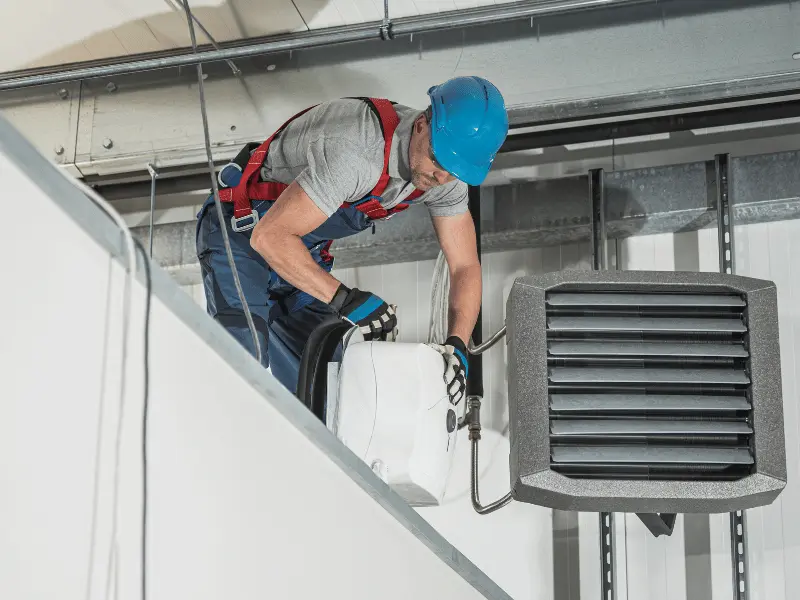
If your electricity bill continues to increase despite following these recommendations, it may indicate a technical issue.
Consider scheduling a professional inspection if you notice:
- AC running continuously without reaching the desired temperature.
- Weak airflow from vents.
- Uneven cooling between rooms.
- Unusual noises or vibrations.
- Water leakage around indoor units.
- Frequent circuit breaker trips.
- Rising electricity bills with no change in usage.
A qualified HVAC technician can identify issues such as refrigerant leaks, dirty coils, faulty thermostats, or inefficient components that reduce system performance.
Frequently Asked Questions
What is the ideal AC temperature to save electricity in Dubai?
The recommended setting is 24°C. This temperature offers a comfortable indoor environment while reducing unnecessary electricity consumption compared to lower settings.
Why is my electricity bill higher during summer?
Higher outdoor temperatures increase the workload on your air conditioning system. Longer operating hours and higher cooling demand naturally result in greater electricity usage.
Does switching to LED lighting really reduce electricity bills?
Yes. LED bulbs consume substantially less electricity than incandescent or halogen bulbs and also generate less heat, reducing the load on your air conditioning system.
How often should I service my air conditioner?
Professional servicing is recommended at least once a year, preferably before the summer season. Filters should be cleaned or replaced monthly during periods of heavy use.
Can smart home devices help lower electricity bills?
Yes. Smart thermostats, smart plugs, occupancy sensors, and automated schedules help reduce unnecessary energy consumption without affecting comfort.
How can I tell if my apartment is wasting electricity?
Watch for warning signs such as continuously running AC units, uneven room temperatures, unusually high monthly bills, or sudden spikes in consumption shown in the DEWA Smart Living Dashboard.
Final Thoughts
Learning how to reduce electricity bills in UAE apartments is about making informed decisions rather than giving up everyday comfort. Understanding how your electricity bill is calculated, using your air conditioning efficiently, maintaining your appliances, and taking advantage of DEWA’s Smart Living tools can lead to meaningful savings over time.
While simple changes like adjusting your thermostat, sealing air leaks, and switching to LED lighting deliver immediate results, long-term savings come from regular maintenance, upgrading to energy-efficient appliances, and monitoring your energy use consistently.
If your electricity bills remain unusually high despite following these strategies, consider arranging a professional HVAC or MEP inspection. Hidden issues such as refrigerant leaks, poor insulation, or inefficient equipment can quietly increase energy consumption month after month.
By combining smart daily habits with proactive maintenance, you can enjoy a cooler, more comfortable home while keeping your electricity costs under control throughout the year.
