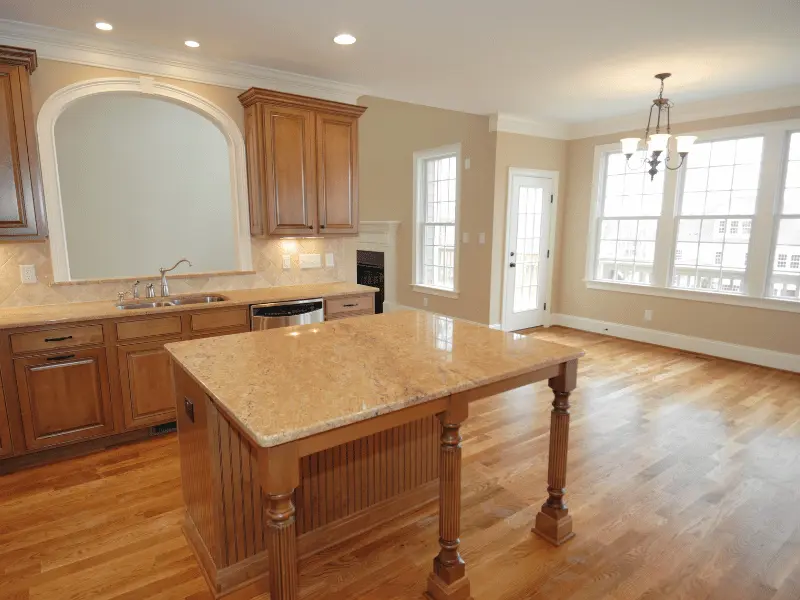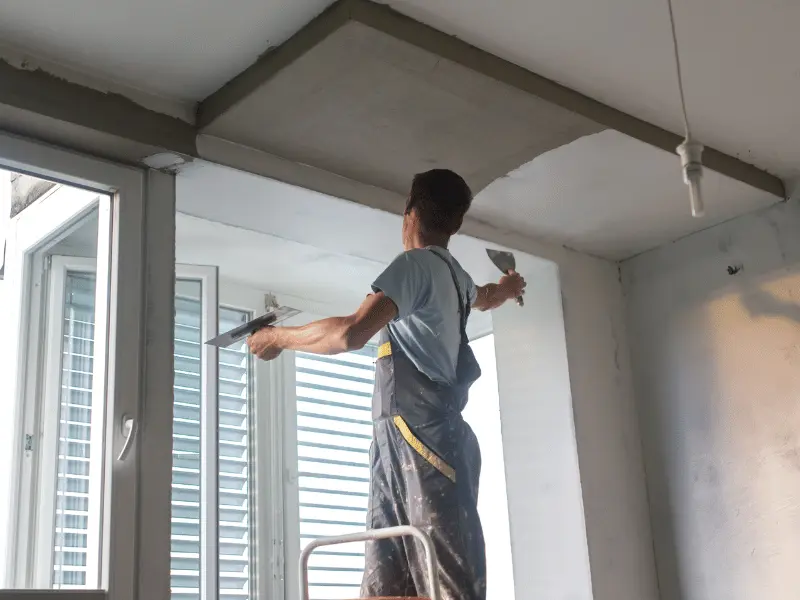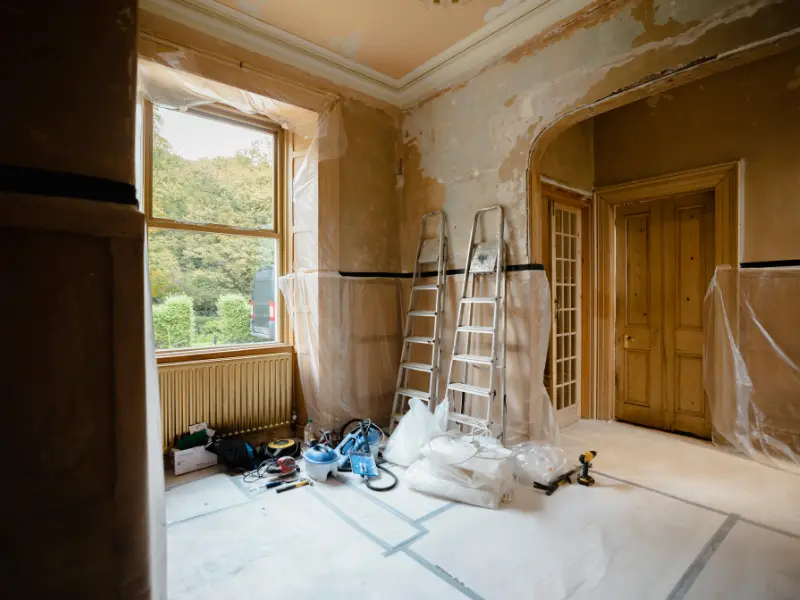
Renovating an apartment in Dubai can dramatically improve your property’s comfort, appearance, and value—but it isn’t as simple as choosing new flooring or repainting the walls. Whether you’re a homeowner or a tenant, there are strict regulations governing what modifications are allowed, what approvals you need, and which renovations require permits.
Understanding these rules before work begins can save you from costly fines, project delays, and disputes with landlords or building management.
In this guide, we’ll explain exactly what you can and cannot change during an apartment renovation in Dubai, the permits you may need, and how to renovate your apartment smoothly and legally.
Why Apartment Renovation Rules Matter in Dubai
Dubai has one of the world’s most regulated property sectors. Apartments are usually located inside master-planned communities managed by developers such as Emaar, Nakheel, DAMAC, Sobha, and Meraas. Besides complying with Dubai Municipality regulations, owners and tenants must also follow community management guidelines.
These rules exist to protect:
- Building safety
- Structural integrity
- Fire safety systems
- Shared building services
- Neighboring apartments
- Property value
Ignoring renovation regulations can result in:
- Stop-work notices
- Financial penalties
- Loss of security deposits
- Delayed project completion
- Mandatory restoration of the apartment to its original condition
What You Can Change Without Major Approvals
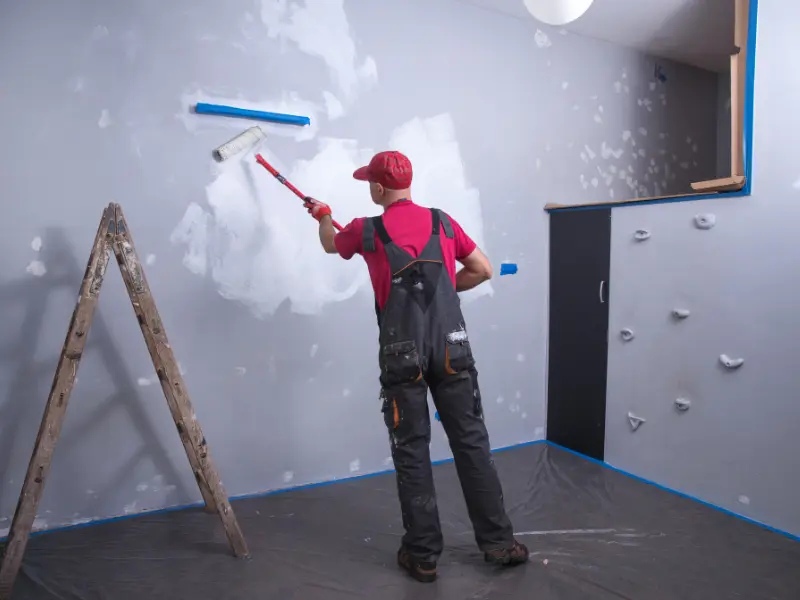
Many cosmetic upgrades can usually be completed with minimal approvals. However, always check your building management’s rules before starting.
Common cosmetic renovations include:
Painting Walls
Repainting interior walls is generally allowed and is one of the easiest ways to refresh your apartment.
Replacing Light Fixtures
Changing decorative lighting fixtures is usually permitted provided the electrical system itself isn’t modified.
Installing New Flooring
Replacing carpet, vinyl, laminate, engineered wood, or tiles is generally considered acceptable when no structural work is involved.
Kitchen Cabinet Replacement
Replacing cabinets while keeping the plumbing and electrical layout unchanged is often treated as a cosmetic upgrade.
Wardrobes and Storage Units
Built-in wardrobes and storage systems can usually be installed without affecting the building structure.
Bathroom Accessories
Replacing mirrors, vanities, towel rails, and sanitary fittings without relocating plumbing lines is generally straightforward.
What Requires Approval Before Renovation

Some renovation work affects building systems and therefore requires written approvals.
These commonly include:
Kitchen Layout Changes
Moving sinks, dishwashers, or drainage lines often requires technical approval.
Bathroom Renovation
Changing plumbing layouts, relocating toilets, installing new drainage, or waterproofing modifications usually require permission.
Electrical Modifications
Adding new electrical circuits, relocating distribution boards, or increasing electrical loads should only be carried out by qualified professionals.
Air Conditioning Changes
Dubai apartments rely on carefully designed HVAC systems. Modifying ductwork or AC units often requires approval from building management.
Ceiling Modifications
Installing heavy suspended ceilings or making structural ceiling alterations may require review.
What You Cannot Change Without Official Permission
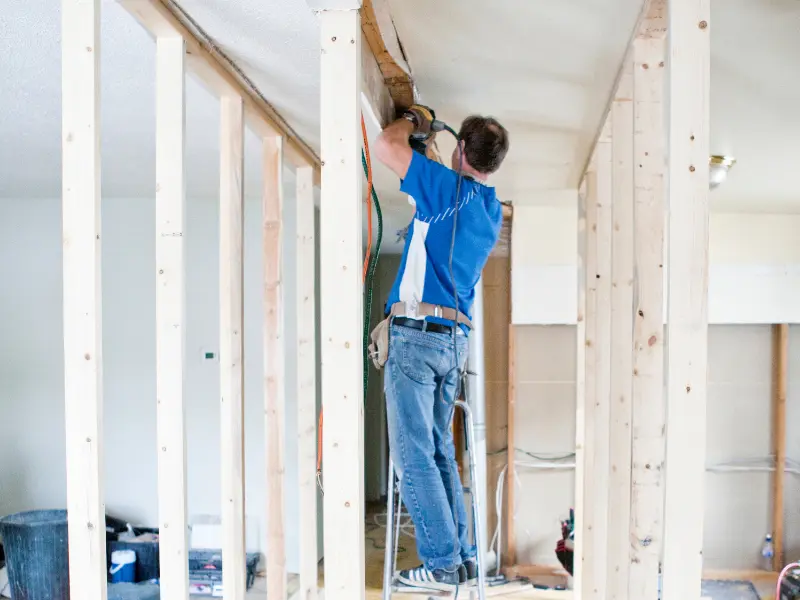
Some modifications almost always require engineering approval and official permits.
Removing Structural Walls
Load-bearing walls support the building and should never be removed without engineering approval.
Altering Building Facades
Changing balconies, external walls, windows, or façade finishes is generally prohibited unless specifically approved.
Relocating Wet Areas
Moving kitchens, bathrooms, or laundry areas affects plumbing systems throughout the building and typically requires detailed engineering plans.
Fire Safety Systems
Fire alarms, sprinklers, smoke detectors, emergency lighting, and fire-rated doors should never be altered without approval.
Common Areas
Hallways, service corridors, utility shafts, and shared building infrastructure cannot be modified by apartment owners.
Apartment Renovation Rules for Tenants
If you’re renting an apartment in Dubai, your renovation options are more limited.
Most tenancy agreements require the landlord’s written consent before making any modifications.
As a tenant, you should:
- Obtain written landlord approval
- Confirm building management requirements
- Restore the property if required when moving out
- Keep copies of all approvals
Never assume verbal permission is enough.
Apartment Renovation Rules for Property Owners
Owning the apartment provides greater flexibility—but not unlimited freedom.
Owners may still need approvals from:
- Building management
- Community management
- Master developer
- Dubai Municipality
- Utility authorities (depending on the scope)
Even if you own the apartment, structural or MEP modifications generally require official approvals.
Do You Need a Permit for Apartment Renovation in Dubai?
The answer depends on your renovation scope.
Requirements may vary depending on your building, developer, and renovation scope.
Apartment Renovation Approval Process
Although every project differs slightly, renovations generally follow these steps.
Step 1 – Define Your Scope
Prepare a detailed list of everything you want to change.
Step 2 – Select a Licensed Contractor
Choose a company experienced with Dubai apartment renovations.
Step 3 – Obtain Quotations
Compare detailed, itemized quotations rather than choosing solely on price.
Step 4 – Apply for Required Approvals
Your contractor should assist with preparing drawings and submitting documentation if permits are required.
Step 5 – Notify Building Management
Most buildings require contractor registration, worker IDs, lift booking, and approved working hours.
Step 6 – Begin Renovation
Monitor progress regularly and ensure work follows approved plans.
Step 7 – Final Inspection
Inspect finishes carefully before making the final payment.
Common Apartment Renovation Mistakes
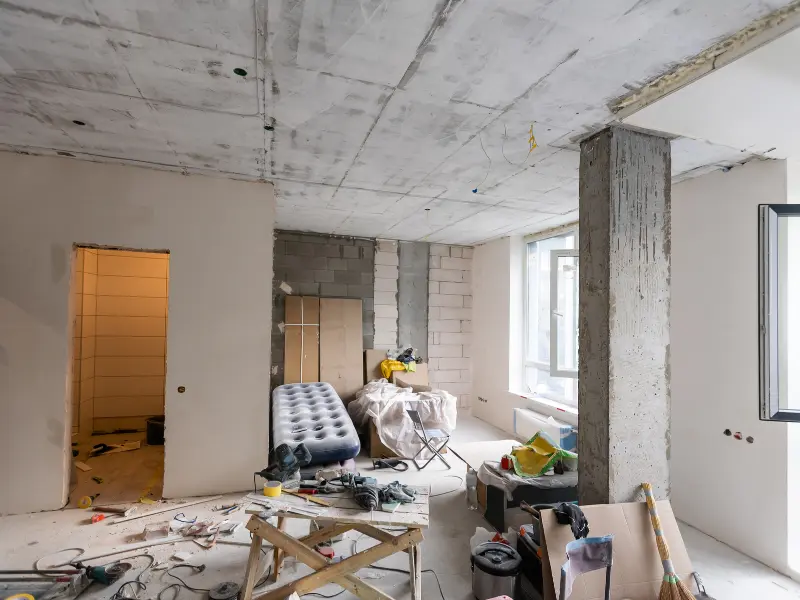
Avoid these costly errors.
Starting Work Without Approval
Unauthorized work may be stopped immediately and could require expensive corrections.
Hiring the Cheapest Contractor
Low quotations often exclude essential work or rely heavily on subcontractors with limited supervision.
Paying Too Much Upfront
A milestone-based payment schedule offers better protection throughout the project.
Ignoring Building Rules
Every apartment building has its own renovation procedures, working hours, and contractor requirements.
Choosing Materials Unsuitable for Dubai
Heat, humidity, and constant air conditioning can affect flooring, paint, adhesives, and cabinetry. Select materials designed for the UAE climate.
How Much Does Apartment Renovation Cost in Dubai?
Costs vary depending on apartment size, materials, and project scope.
Approximate ranges:
| Renovation Type | Estimated Cost |
|---|---|
| Cosmetic Refresh | AED 10,000–30,000 |
| Kitchen Renovation | AED 20,000–60,000+ |
| Bathroom Renovation | AED 15,000–40,000+ |
| Full Apartment Renovation | AED 60,000–250,000+ |
High-end finishes, custom joinery, smart home systems, and imported materials will increase the overall budget.
Tips for a Successful Apartment Renovation
- Plan your renovation before purchasing materials.
- Allocate a 10–15% contingency budget.
- Keep written records of all approvals.
- Choose licensed, experienced contractors.
- Visit the site regularly during construction.
- Inspect workmanship before each payment milestone.
- Keep warranty documents and manuals after completion.
Why Work with an Experienced Apartment Renovation Company?
A professional renovation contractor can help you:
- Understand approval requirements
- Coordinate multiple trades
- Manage project timelines
- Source quality materials
- Maintain workmanship standards
- Reduce costly mistakes
- Deliver a smoother renovation experience
Working with an experienced company also makes it easier to navigate building regulations and complete your renovation with minimal disruption.
Frequently Asked Questions
Can I renovate my apartment without permission in Dubai?
Minor cosmetic work may require minimal approvals, but structural, plumbing, electrical, and layout changes generally require permission from the relevant authorities and building management.
Can tenants renovate rented apartments?
Yes, but only after obtaining written approval from the landlord and complying with building regulations.
Can I remove a wall in my apartment?
Only if engineering assessments and required approvals confirm that it is safe. Load-bearing walls should never be removed without authorization.
How long does an apartment renovation take?
A cosmetic renovation may take two to four weeks, while a complete apartment renovation typically takes six to sixteen weeks, depending on complexity.
Is hiring a licensed renovation contractor important?
Yes. Licensed contractors understand local regulations, coordinate approvals, and help ensure the renovation meets required standards.
Final Thoughts
Apartment renovation in Dubai is about balancing creativity with compliance. While cosmetic upgrades are relatively straightforward, changes to layouts, plumbing, electrical systems, or structural elements require careful planning and the right approvals.
By understanding what you can and cannot change, working with experienced professionals, and following the correct approval process, you can transform your apartment with confidence while avoiding unnecessary delays, disputes, or unexpected costs.