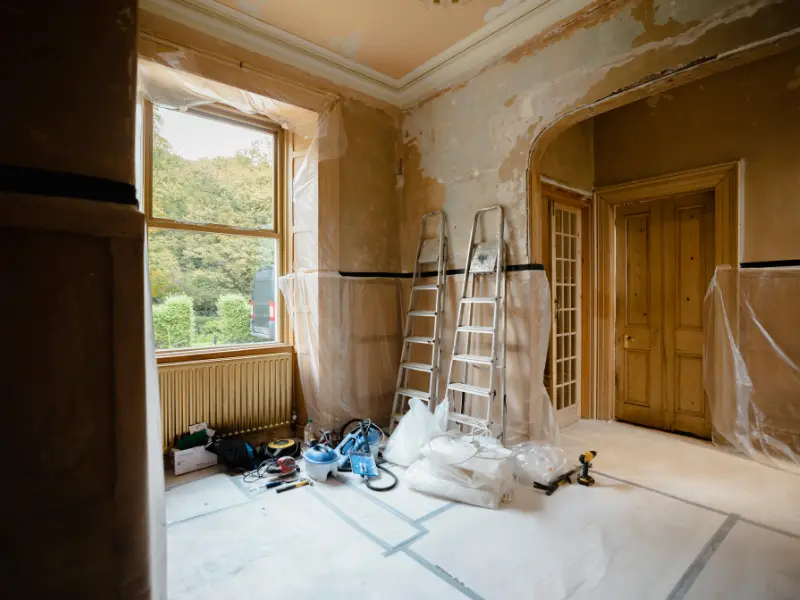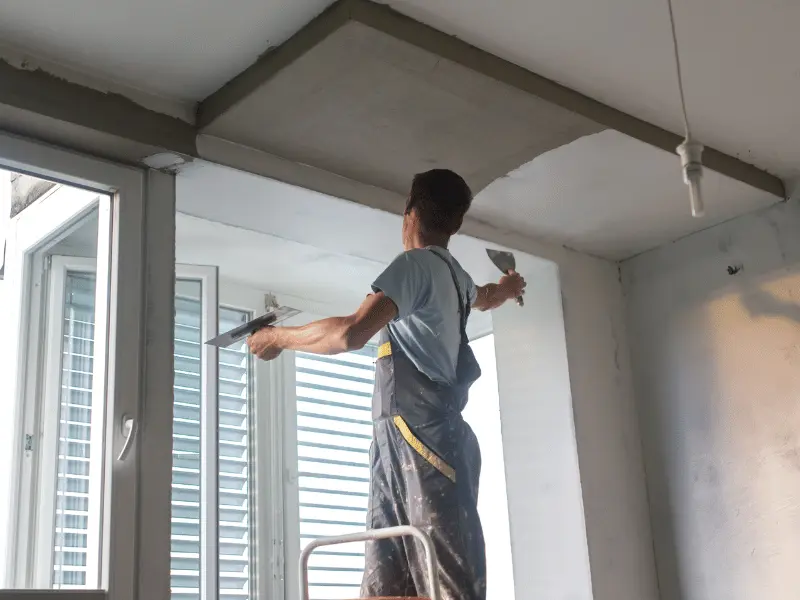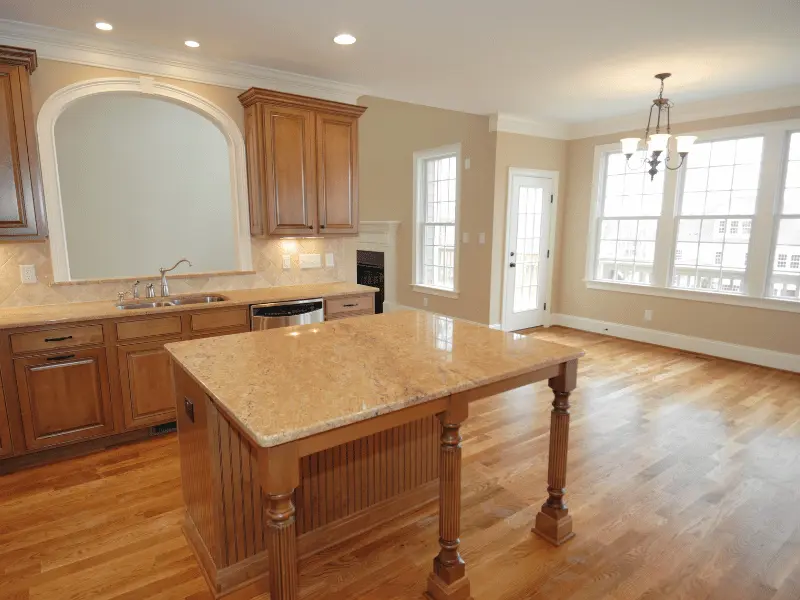
Home renovations rarely go exactly as planned. Even with careful budgeting and detailed estimates, unexpected costs can appear once construction begins. Hidden structural issues, design changes, material price increases, and permit requirements can all push a project beyond its original budget.
The good news? Going over budget doesn’t necessarily mean your renovation has failed. What matters most is how you respond when costs begin to rise.
Whether you’re remodeling a kitchen, renovating a bathroom, or completing a full home makeover, there are practical steps you can take to regain control without compromising the quality of your project.
In this guide, you’ll learn exactly what to do if your renovation goes over budget, why it happens, how to reduce additional expenses, and the best strategies professionals use to keep projects moving forward.
Why Renovation Projects Go Over Budget
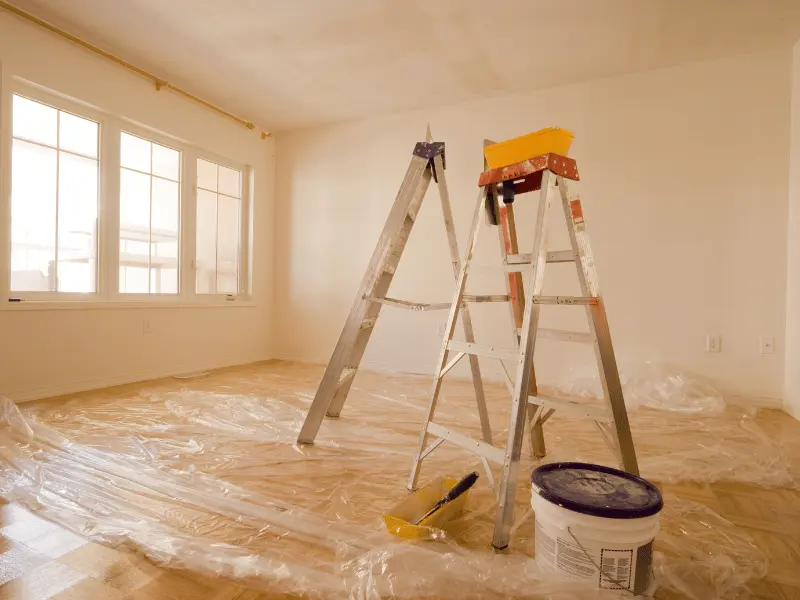
Before you can solve the problem, it’s important to understand what caused it.
Contrary to popular belief, most renovations don’t exceed budget because homeowners suddenly decide to buy expensive finishes. More often, budget overruns begin long before the first wall is demolished.
1. Hidden Structural Problems
One of the biggest challenges during remodeling is discovering problems that weren’t visible during the planning stage.
These may include:
- Outdated electrical wiring
- Damaged plumbing
- Water damage
- Mold
- Termite damage
- Foundation issues
- Rotten framing
- Uneven flooring
Once walls and floors are opened, these issues must often be repaired before work can continue.
Although frustrating, these repairs are usually necessary to ensure the home is safe and meets current building standards.
2. An Incomplete Project Scope
Many homeowners request renovation estimates before every detail has been finalized.
Questions such as these may still be unanswered:
- Will walls be removed?
- Are plumbing fixtures relocating?
- Is new lighting required?
- Will custom cabinetry be installed?
- Are structural beams needed?
Without clearly defining the project scope, contractors can only provide preliminary estimates.
As plans become more detailed, costs naturally increase.
3. Material Upgrades

It’s common to begin with one budget and gradually fall in love with premium materials.
For example:
You originally planned:
- Standard quartz countertops
- Stock cabinets
- Ceramic tile
But later upgrade to:
- Natural marble
- Custom cabinetry
- Imported porcelain tile
Each individual upgrade may seem manageable.
Combined together, however, they can add thousands of dollars to the renovation budget.
4. Change Orders
A change order is any modification made after construction has already begun.
Examples include:
- Moving walls
- Changing cabinet layouts
- Relocating lighting
- Upgrading appliances
- Adding built-in storage
- Selecting different flooring
Every change affects multiple trades.
A simple cabinet adjustment may require changes to:
- Plumbing
- Electrical
- Countertops
- Drywall
- Painting
- Flooring
That’s why seemingly minor changes often become expensive.
5. Underestimating Real Costs
Online renovation calculators provide averages—not guarantees.
Every home is different.
Factors affecting cost include:
- Property age
- Existing conditions
- Local labor rates
- Permit fees
- Accessibility
- Material availability
- Construction complexity
A realistic renovation budget should always reflect the specific project rather than generic online estimates.
The First Thing to Do When Your Renovation Goes Over Budget
Don’t panic.
Many homeowners make emotional decisions when they discover their renovation is costing more than expected.
Instead, stop and evaluate the situation objectively.
Ask yourself:
- How much have we exceeded the budget?
- Is the increase temporary or permanent?
- Which costs are unavoidable?
- Which expenses are optional?
- What stage is the project currently in?
Understanding the source of the overrun helps determine the best solution.
Step 1: Review Every Cost Item
Request an updated cost breakdown from your contractor or project manager.
Instead of looking only at the final number, examine each category separately.
Typical renovation costs include:
| Category | Examples |
|---|---|
| Demolition | Removal of walls, flooring, cabinetry |
| Structural work | Framing, beams, foundation |
| Plumbing | Pipes, fixtures, drainage |
| Electrical | Wiring, outlets, lighting |
| HVAC | Ventilation and ductwork |
| Cabinetry | Stock or custom cabinets |
| Countertops | Stone, quartz, laminate |
| Flooring | Tile, hardwood, vinyl |
| Painting | Interior and exterior finishes |
| Labor | Installation costs |
| Permits | Government approvals |
You’ll often discover that only one or two categories are responsible for most of the increase.
Step 2: Separate Essential Costs from Optional Upgrades
One of the fastest ways to regain budget control is to distinguish between needs and wants.
Essential Costs
These cannot usually be eliminated:
- Structural repairs
- Electrical upgrades
- Plumbing corrections
- Waterproofing
- Building code compliance
- Permit requirements
These investments protect your home’s safety and long-term value.
Optional Costs
These can often be adjusted:
- Designer fixtures
- Premium appliances
- Imported tile
- Decorative lighting
- Luxury hardware
- Custom shelving
- Feature walls
Reducing optional upgrades often has little impact on the functionality of your home.
Step 3: Prioritize High-Impact Areas
Not every room contributes equally to your home’s value or daily living experience.
If budget cuts become necessary, prioritize spaces that provide the greatest return.
Typically, homeowners should invest more in:
Kitchen
The kitchen is often considered the heart of the home.
Quality cabinetry, durable countertops, and efficient layouts typically deliver the greatest long-term value.
Primary Bathroom

A well-designed bathroom improves both comfort and resale appeal.
Focus on quality waterproofing, fixtures, and storage before luxury accessories.
Living Areas
Open-concept spaces receive the most daily use.
Investing in flooring, lighting, and finishes here usually has a greater impact than upgrading guest rooms.
Bedrooms
Guest bedrooms, secondary bathrooms, and decorative spaces often offer opportunities to reduce spending without significantly affecting everyday living.
Step 4: Avoid Making Emotional Decisions
Budget pressure often leads homeowners to make rushed decisions.
Common reactions include:
- Canceling major features immediately
- Choosing the cheapest products available
- Replacing experienced contractors
- Purchasing unfamiliar products online
These decisions may create even larger expenses later.
Instead, evaluate every change carefully and consider its long-term implications.
Step 5: Talk to Your Contractor Immediately
Clear communication can prevent small problems from becoming expensive ones.
Ask questions like:
- What caused the budget increase?
- Which costs are mandatory?
- Are there alternative materials?
- Can work be completed in phases?
- Are there value-engineering options available?
- How will changes affect the schedule?
An experienced contractor can often identify savings that homeowners overlook.
10 Expert Strategies to Bring Your Renovation Budget Back Under Control
Once you’ve identified why your renovation is over budget, the next step is taking action. The goal isn’t simply to spend less—it’s to spend smarter. The following strategies are commonly used by experienced contractors, architects, and interior designers to keep projects financially manageable without sacrificing quality.
1. Value Engineer Your Project
Value engineering is one of the most effective ways to reduce costs while maintaining the overall design intent.
Rather than removing features entirely, you look for alternatives that deliver a similar appearance, durability, or function at a lower cost.
For example:
| Instead of… | Consider… |
|---|---|
| Natural marble | High-quality quartz |
| Custom cabinetry throughout | Stock cabinets with custom end panels |
| Imported porcelain tile | Premium locally available tile |
| Solid hardwood flooring | Engineered hardwood |
| Designer lighting in every room | Statement fixtures only in key areas |
The objective isn’t to choose the cheapest option—it’s to maximize value for every dollar spent.
2. Finish the Project in Phases
If the overrun is larger than expected, don’t assume you have to abandon your renovation.
Instead, consider dividing it into phases.
For example:
Phase One
- Structural work
- Electrical upgrades
- Plumbing
- Flooring
- Kitchen installation
- Painting
Phase Two
- Built-in shelving
- Outdoor landscaping
- Feature walls
- Decorative lighting
- Custom wardrobes
- Luxury finishes
This approach allows you to complete the essential work while postponing non-critical upgrades until your finances allow.
3. Protect the Parts That Are Difficult to Replace
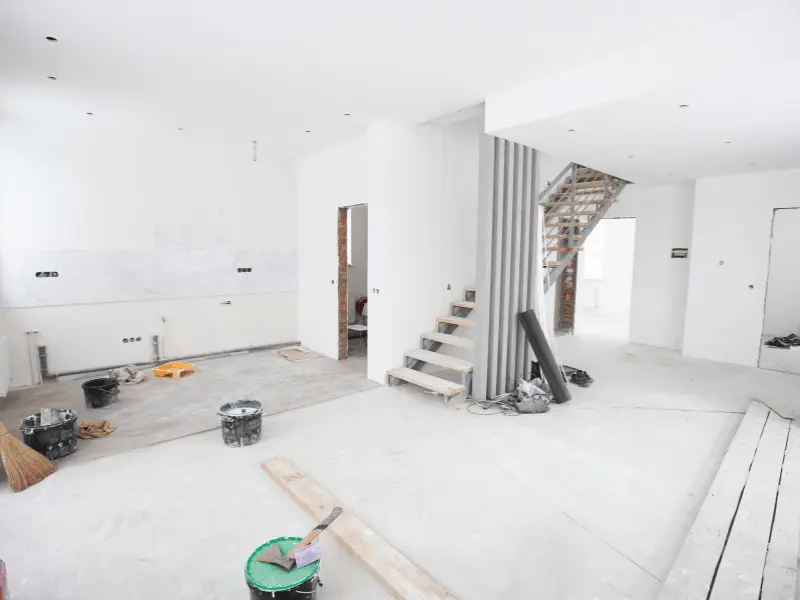
If cuts are necessary, avoid reducing quality in permanent elements.
Invest in:
- Waterproofing
- Structural work
- Plumbing
- Electrical systems
- Windows
- Roofing
- Cabinets
- Countertops
These items are expensive and disruptive to replace later.
Decorative elements like mirrors, furniture, artwork, and light fixtures can usually be upgraded over time.
4. Avoid Last-Minute Design Changes
One of the fastest ways to increase renovation costs is changing your mind after work has started.
For example:
Changing the kitchen island size may require:
- Cabinet redesign
- Countertop revisions
- Electrical relocation
- Plumbing changes
- Flooring repairs
A single design revision can affect multiple trades, leading to additional labor, material waste, and schedule delays.
Before approving any changes, ask your contractor:
- How much will this cost?
- Will it delay the project?
- Does it affect other work already completed?
5. Compare Alternatives—Not Just Prices

The lowest quote isn’t always the best value.
When comparing materials or products, consider:
- Durability
- Warranty
- Maintenance requirements
- Installation costs
- Availability
- Replacement parts
- Long-term performance
A slightly more expensive product that lasts twice as long may save money over the life of your home.
6. Track Every Expense Weekly
Many homeowners don’t realize they’re over budget until the renovation is nearly complete.
Instead, review costs every week.
A simple budget tracker should include:
| Category | Budgeted | Actual | Difference |
|---|---|---|---|
| Cabinets | $12,000 | $12,850 | +$850 |
| Flooring | $8,000 | $7,600 | -$400 |
| Electrical | $6,000 | $6,400 | +$400 |
Regular reviews help identify overspending early enough to make adjustments.
7. Use Your Contingency Fund Wisely
Every renovation should include a contingency allowance—typically 10% to 20% of the total project cost.
However, that fund should be reserved for genuine surprises, such as:
- Hidden water damage
- Structural repairs
- Code compliance upgrades
- Permit-related changes
Avoid using your contingency for optional upgrades or impulse purchases.
8. Negotiate Smartly—Not Aggressively
If your renovation exceeds budget, discuss options with your contractor instead of demanding across-the-board price reductions.
Ask questions such as:
- Are there comparable materials that cost less?
- Can some work be postponed?
- Are there supplier promotions available?
- Is there another installation method that reduces labor?
Experienced contractors often have practical solutions that preserve quality while reducing costs.
9. Keep Detailed Documentation
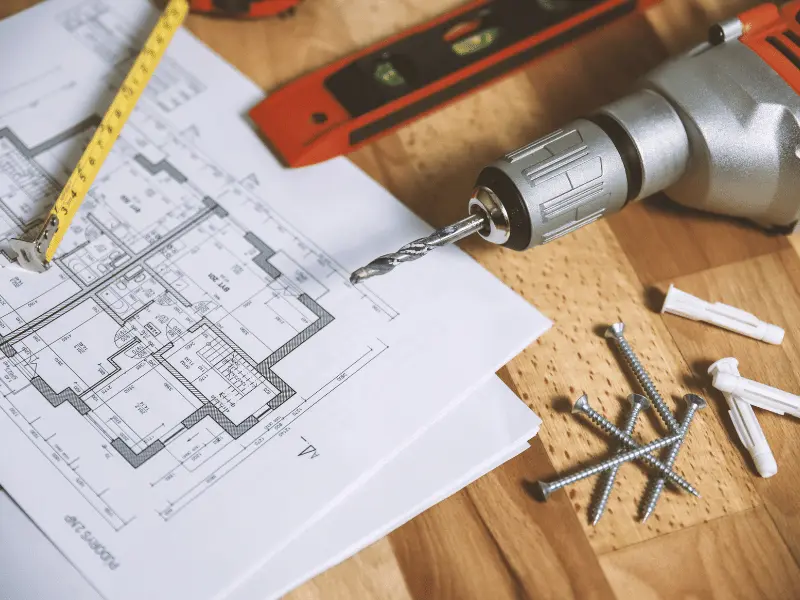
Good documentation reduces misunderstandings and helps control spending.
Maintain records of:
- Approved drawings
- Material selections
- Change orders
- Contracts
- Payment schedules
- Quotes
- Receipts
- Warranty information
Having everything documented makes it easier to verify costs and avoid disputes later.
10. Know When Spending More Is the Better Decision
Not every budget increase is a mistake.
Sometimes investing more today prevents expensive repairs in the future.
Examples include:
- Replacing outdated electrical wiring during renovation
- Improving insulation while walls are open
- Upgrading plumbing before installing new finishes
- Fixing structural issues before cosmetic work
These improvements increase safety, performance, and long-term value.
Common Mistakes That Make Budget Overruns Worse
Many homeowners unintentionally increase costs by making avoidable mistakes.
These include:
- Starting construction before finalizing the design.
- Purchasing materials without confirming dimensions.
- Making multiple changes after work begins.
- Selecting products based only on price.
- Hiring the cheapest contractor instead of the most qualified.
- Ignoring permit or inspection requirements.
- Failing to include a contingency fund.
- Not asking for detailed estimates.
- Delaying important decisions, causing project slowdowns.
- Poor communication between homeowners, designers, and contractors.
Recognizing these pitfalls early can save significant time and money.
Frequently Asked Questions
Is it normal for renovations to go over budget?
Yes. Renovation projects often uncover hidden conditions or require changes that weren’t apparent during the planning stage. A well-prepared budget should include a contingency allowance to manage these situations.
How much extra should I budget for a renovation?
Most professionals recommend setting aside 10% to 20% of your total renovation budget as a contingency fund. Older homes or projects involving structural work may require a larger reserve.
Should I stop the renovation if I run out of money?
Not necessarily. If the essential work has already begun, it’s often more practical to complete critical structural and mechanical elements first, then postpone decorative upgrades until additional funds become available.
Can changing materials reduce renovation costs?
Yes. Many premium materials have high-quality alternatives that provide a similar appearance and durability at a lower cost. Discuss value-engineering options with your contractor or designer before making changes.
How can I avoid budget overruns on my next renovation?
The best approach is thorough planning. Finalize the project scope, research product costs, confirm material selections, include a contingency fund, and avoid making changes once construction has started.
Final Thoughts
Going over budget during a renovation can feel overwhelming, but it doesn’t have to derail your entire project. In many cases, cost overruns are the result of incomplete planning, changing priorities, or unexpected site conditions—not poor decision-making.
The key is to respond strategically rather than emotionally. Review your budget in detail, distinguish essential work from optional upgrades, communicate openly with your project team, and focus on long-term value instead of short-term savings.
The most successful renovations aren’t always the ones with the biggest budgets—they’re the ones with the clearest plan. By making informed decisions, prioritizing what matters most, and staying flexible when challenges arise, you can complete your renovation with confidence and create a home that delivers lasting value for years to come.