In the expansive, open-plan villas we frequently renovate in areas like Meydan or Al Barari, we often encounter a specific “spatial fatigue.” When the kitchen, dining room, and lounge all share the same four walls and the same neutral paint, the home can start to feel like a vast, undefined gallery rather than a living space.
In our experience at Sierra Contracting, the solution isn’t always to build a physical partition. Sometimes, the most powerful tool for organization is sitting in a paint can. Color zoning interior design is the practice of using distinct hues to create “psychological walls.”1 It’s a way to tell your brain, “This is the workspace,” or “This is the relaxation zone,” without losing a single centimeter of floor space to a construction crew.
What is Color Zoning?
At its core, color zoning (or color blocking) is about intentionality.2 Instead of painting a whole room one color, we use specific shades to highlight architectural features or functional “islands.”3
+1
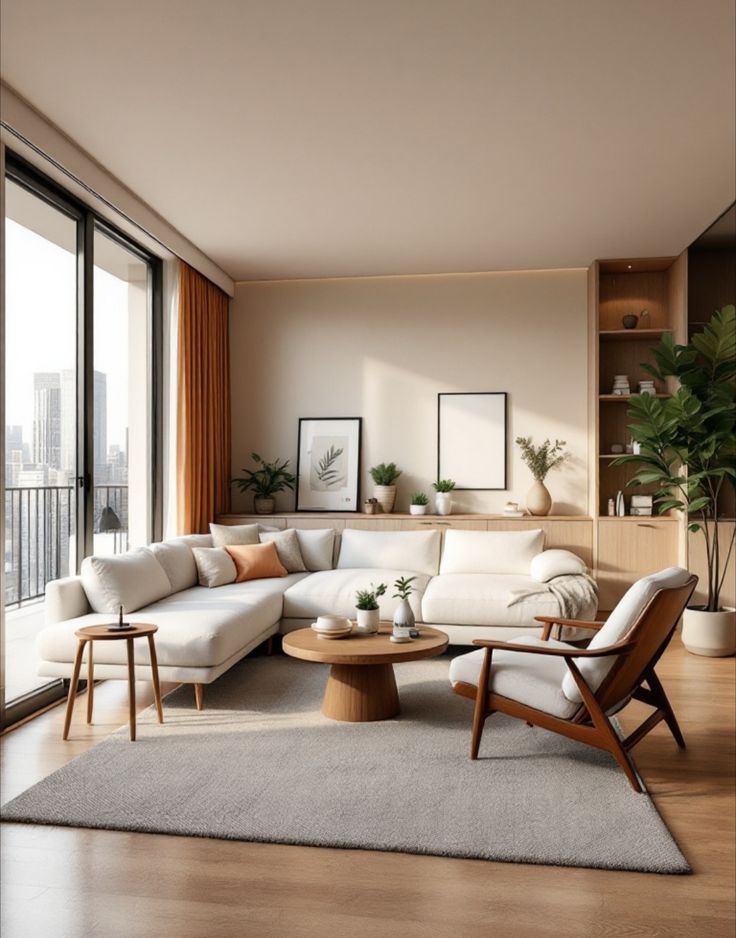
Most clients come to us asking for “pops of color,” but we usually recommend going a step further. We don’t just want a colorful cushion; we want a colored zone. This technique is especially effective in Dubai’s contemporary architecture, where high ceilings and large glass panes can sometimes make interiors feel a bit “washy” or disconnected.
-
Creating “Rooms within Rooms”
In our collective experience, the most effective use of color zoning is in the “great room.” If your home office is just a desk tucked into a corner of the living room, it’s hard to switch off at 6:00 PM.
Our Professional Approach:
We often suggest painting a specific “niche” or a single corner in a deep, grounding shade like forest green or navy blue—including the ceiling and the shelving within that area. This creates a “cocoon” effect. When you sit in that chair, you are in the “office zone.” When you step away into the lighter, neutral-toned lounge, your brain registers that the workday is over.
This sounds simple, but the trick is the transition. You want the colors to feel like they are “shaking hands” rather than fighting. We usually recommend choosing tones with the same “undertone” to keep the flow harmonious.
-
Accentuating Architecture with Visual Separation
Many Dubai properties feature beautiful alcoves, arched doorways, or recessed ceilings that get “lost” when everything is painted the same off-white.
Modern Paint Ideas for Architecture:
- The “Portal” Effect: Painting the inside of an archway or the sides of a deep doorway in a contrasting color creates a sense of ceremony as you move from one room to another.
- The Dado Rail Reimagined: We often see clients move away from traditional moldings. Instead, we use a “half-wall” paint technique—painting the bottom 120cm of a wall in a durable, darker tone and the top in a lighter shade. This provides visual separation and, practically speaking, protects the walls from the scuff marks of daily life.
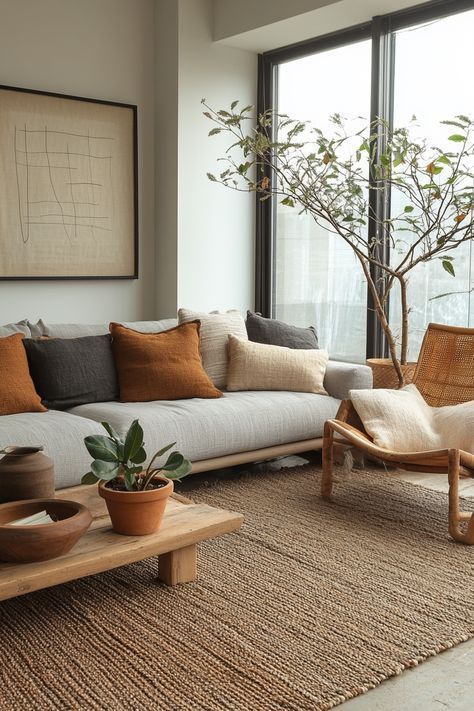
To understand how these colors interact with the unique Dubai sun, you can explore our guide on designing around natural light and material placement.
-
The Ceiling: The Forgotten Zone
We usually recommend looking up when planning your color zoning interior design. In high-ceilinged villas, the space above your head can feel “empty.”
By painting a recessed ceiling tray (a common feature in Dubai’s gypsum ceiling designs) a darker or more vibrant color than the walls, you “lower” the visual height of the room, making a grand dining area feel intimate and focused. It acts like an invisible rug in the sky, anchoring the furniture below it.
Common Mistakes Homeowners Make
Using color to define space requires a bit of restraint. We’ve seen these three mistakes happen frequently when homeowners try to DIY their color blocking:
- Ignoring the “Sightlines”: Before you paint, you must stand at the entrance of the house and look through the rooms. If you see five different “zones” with five clashing colors at once, it feels chaotic. We usually recommend a “three-color palette” for the entire open-plan area to keep it cohesive.
- Stopping at the Corner: If you are color-zoning a corner, don’t just paint one wall. In our experience, the zone feels much more “real” if the color wraps around the corner and covers about 30cm of the adjacent wall. It creates a 3D effect that feels like a separate room.
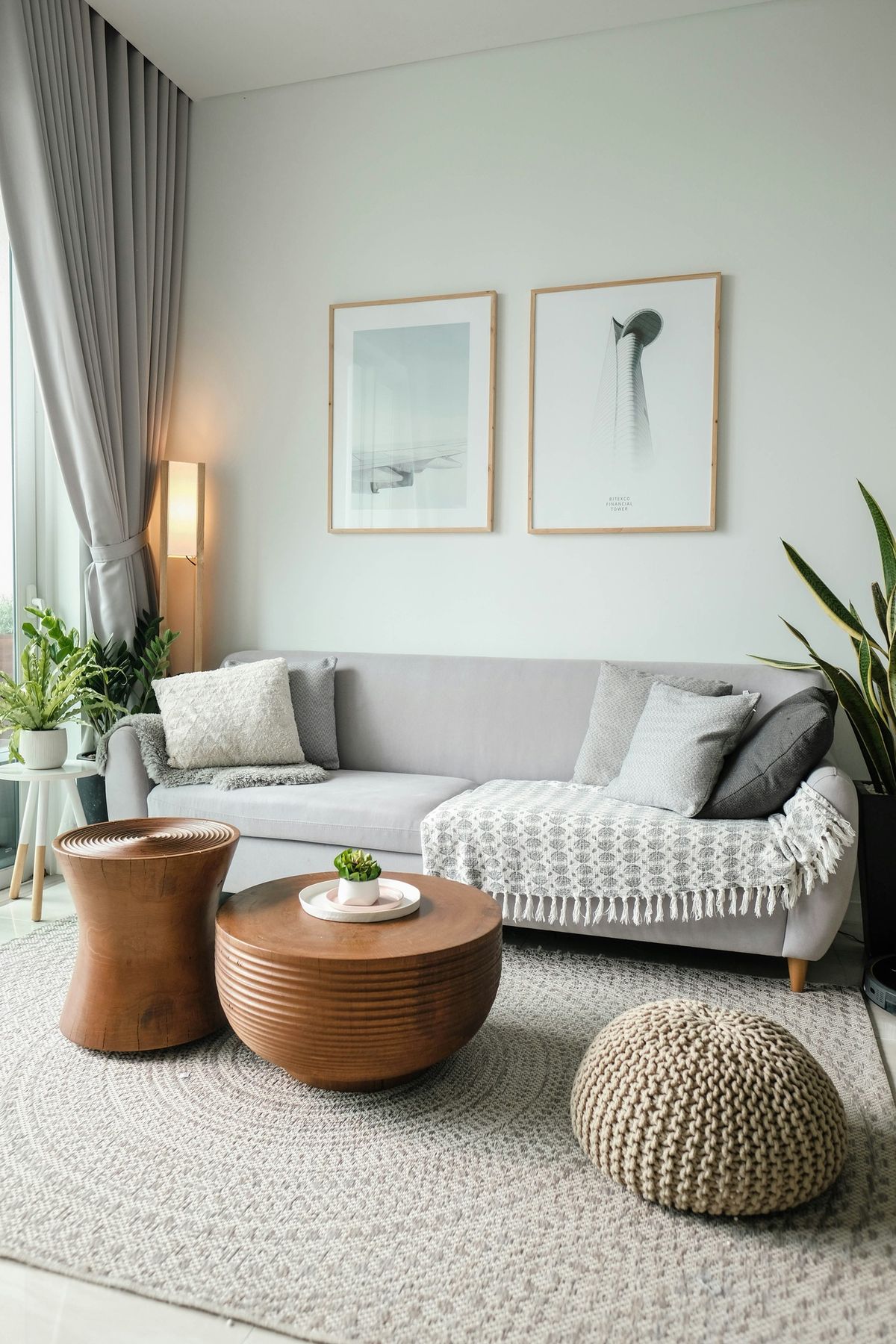
- Harsh Contrast in Small Spaces: In a smaller apartment, high-contrast color blocking (like black next to white) can chop up the space and make it feel tiny. We usually recommend using “tonal” zoning—a light grey next to a mid-grey—for a softer, more sophisticated look.
-
The Practical Side: Zoning for Kids and Pets
Color zoning isn’t just for adults. We often use it in children’s playrooms to separate “active” areas from “quiet” areas.4
- The Creative Zone: We might use a washable, terracotta-toned paint for a craft corner.
- The Sleep Zone: A soft, muted lavender or sand color for the bed area.
By using color as a cue, you help children understand the “rules” of the room without having to say a word. It’s a functional, psychological tool wrapped in a design choice.
-
Balancing Color with Natural Light
One thing we always tell our clients: Dubai light is different. The intense, white-hot sun we get here can wash out light colors and make dark colors look even darker.5
When we are planning visual separation, we always test the paint at three different times of the day. A color that looks like a beautiful “sand” in the morning might look like “mud” during the harsh midday sun. We usually recommend “dirty” or “muted” colors—shades that have a bit of grey or brown mixed in—as they tend to hold their character better under the strong UAE sun.
Final Thoughts: A New Way to Organize
At Sierra Contracting, we believe that your home should be as organized as your life. Color zoning interior design is a sophisticated, low-cost, and high-impact way to achieve that. It allows you to keep the open, airy feeling of a Dubai villa while giving every activity its own dedicated “home.”
It’s about more than just aesthetics; it’s about using design to create a sense of order and calm in a busy world. When color has a purpose, the room feels complete.