

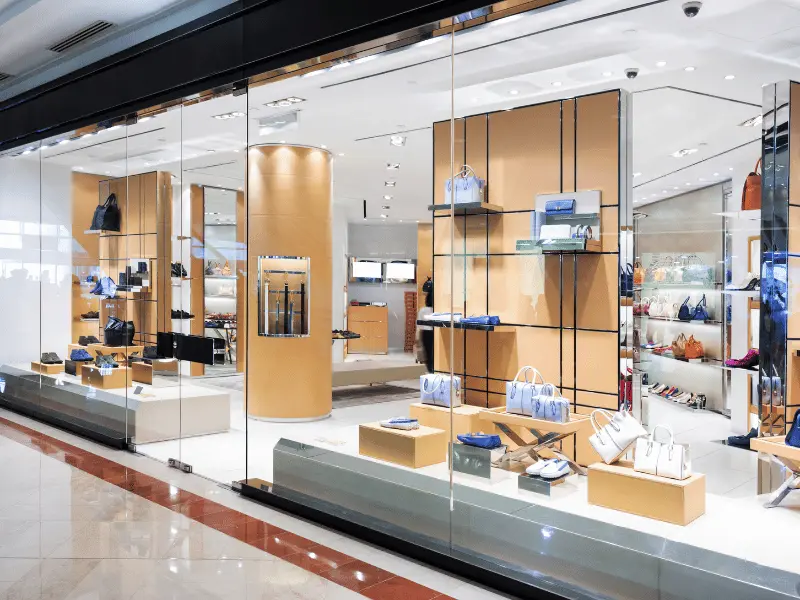
Opening a retail store in Dubai is exciting—but it can also become stressful when the fit-out timeline starts slipping. In many cases, the delay is not because the contractor is slow or the design is complicated. It happens because approvals, drawings, MEP coordination, landlord requirements, authority submissions, and site readiness are not aligned from day one.
At Sierra, we look at retail fit-out as more than interior construction. It is a coordinated process that connects design, technical approvals, material planning, MEP works, fire safety, site execution, and final handover. That matters because retail spaces in Dubai must be functional, brand-ready, safe, and compliant before they can open to customers.
Dubai’s fit-out process usually involves approvals from relevant authorities and stakeholders such as Dubai Municipality, Dubai Civil Defence, Dubai Development Authority where applicable, mall management, landlord teams, and utility or building management teams. For example, the Dubai Development Authority describes its fit-out permit as a service that allows contractors to start fit-out works for offices, retail units, and other building areas, followed by completion submission to confirm compliance with permit requirements.
So, what actually delays a store opening?
Here are the seven most common retail fit-out requirements in Dubai that can slow down your launch—and how we usually help clients avoid them.
1. Starting Work Before the Approval Path Is Clear
One of the biggest mistakes we see is starting with design and site work before mapping the approval route. Retail owners often assume that once they have signed the lease, they can immediately begin fit-out. In reality, the approval path depends on the type of property, location, activity, landlord rules, and whether the store is in a mall, commercial tower, mixed-use building, or free zone.
A retail store in Dubai may require a fit-out permit, Civil Defence approval, landlord NOC, mall design approval, signage approval, trade licence alignment, and sometimes product-specific approvals. Retail approval specialists commonly list Dubai Municipality fit-out permits, Civil Defence fire safety approval, mall management approval, signage approval, Dubai Economy licensing, and product-specific approvals as key requirements for retail stores in Dubai.
The delay usually happens when each approval is treated separately instead of being planned as one connected workflow. For example, a design may look beautiful but fail because the ceiling layout blocks access panels, the signage does not meet mall guidelines, or the fire alarm layout is not coordinated with the display plan.
What we recommend: before finalising the design, create an approval matrix. This should list every required NOC, drawing, consultant input, contractor document, landlord condition, submission platform, expected review time, and dependency. This is not just paperwork. It becomes the project’s control map.
2. Incomplete or Uncoordinated Drawings
Retail fit-out approvals in Dubai depend heavily on technical drawings. A basic mood board or 3D concept is not enough. Authorities, landlords, malls, and consultants usually need proper architectural layouts, reflected ceiling plans, flooring plans, elevations, MEP layouts, fire safety details, material specifications, and sometimes structural or load-related information.
The DDA’s fit-out permit requirements include documents such as contractor appointment letter, Ejari copy, building owner NOC, NOC from relevant authorities, and approved stamped drawings with proposed drawings.
The issue is not only whether drawings exist. The real question is whether they match each other.
For example, we have seen projects where the interior layout shows a feature wall, but the electrical drawing has sockets behind joinery. The ceiling drawing shows decorative lighting, but the HVAC layout requires access in the same zone. The fire drawing shows devices in locations that later get covered by signage or display units. These clashes create review comments, resubmissions, and site rework.
Case snapshot: A fashion retail concept may have a strong design with curved display walls, floating shelves, and dramatic lighting. But if the shop drawings do not show how these elements interact with sprinklers, smoke detectors, emergency lighting, and AC diffusers, the project can get stuck between design approval and technical approval.

What we recommend: freeze a coordinated drawing set before submission. At Sierra, our fit-out process focuses on technical coordination, site planning, MEP integration, execution, and handover under one workflow. Sierra’s own fit-out service page highlights that fit-out includes partitions, ceilings, flooring, wall finishes, joinery, lighting coordination, and technical integration so the space functions as one complete environment.
3. Civil Defence and Fire Safety Being Treated Too Late
Fire safety is one of the most important retail fit-out requirements in Dubai. It is also one of the most common causes of delay.
A retail store may need coordination for fire alarms, sprinklers, emergency lighting, exit signage, fire-rated materials, smoke detection, fire stopping, and safe evacuation routes. If the store has higher-risk activities—such as F&B, electronics, beauty treatments, storage-heavy retail, or perfume and chemical products—the requirements may be more detailed.
The problem is that some brands treat fire safety as a final-stage inspection item. That is risky. Fire and life safety systems must be considered during the design stage, not after ceilings and joinery are installed.
The DDA also notes that a Dubai Civil Defence Completion Certificate is required before obtaining the Fit-Out Completion Certificate. This is a key point many business owners miss: even if the store looks finished, it may not be legally ready for handover if Civil Defence completion is pending.
What we recommend: involve the MEP and fire safety team early. Do not finalise ceiling features, display walls, storage rooms, cashier counters, or back-of-house areas without checking fire device access, sprinkler coverage, emergency routes, and inspection requirements.
A store that is “90% finished” but fails fire safety coordination can lose more time than a store that planned compliance from the first week.
4. Mall and Landlord Guidelines Being Ignored

Mall retail fit-outs in Dubai are different from standard commercial fit-outs. Malls usually have their own design criteria, working-hour restrictions, delivery rules, hoarding requirements, insurance conditions, material movement policies, waste disposal procedures, and inspection stages.
Many delays happen because the tenant focuses only on authority approvals and forgets landlord or mall requirements. But the mall can still stop work if the contractor does not follow site rules.
Common issues include:
- Contractor not approved by mall management
- Missing method statements or risk assessments
- No valid insurance or worker access permits
- Wrong hoarding graphics or dimensions
- No approval for noisy works
- Material deliveries arriving outside allowed timing
- Signage not matching mall brand guidelines
- Fire, MEP, or ceiling work done without inspection booking
Case snapshot: A cosmetics store may receive design approval but still face delays because the mall requires night work for noisy activities, special protection for common areas, and separate approval for illuminated signage. If these are not planned, the contractor loses productive site days.
What we recommend: treat mall management as a major project stakeholder, not an afterthought. Before mobilising, confirm site access rules, working hours, delivery windows, inspection stages, temporary power availability, waste removal process, and security requirements.
This is where a turnkey fit-out contractor helps. Sierra’s site explains that the company delivers commercial, retail, and residential fit-out projects across the UAE and provides construction and turnkey contracting services to support delivery from concept to completion.
5. MEP Coordination Problems
MEP stands for mechanical, electrical, and plumbing. In retail fit-out, MEP is where many hidden problems appear.
A retail store is not just shelves and finishes. It needs lighting, AC, power, data, CCTV, fire alarm integration, emergency lighting, signage power, display lighting, cashier systems, music systems, storage ventilation, plumbing if required, and sometimes special equipment.
Delays usually happen when the design team and MEP team work separately. For example:
- Lighting design exceeds available electrical load
- AC diffusers clash with ceiling features
- Display units block access panels
- Cash counter power is missing
- Signage power is not planned
- Fire alarm devices conflict with decorative ceiling elements
- Plumbing routes are not possible due to slab or landlord restrictions
- Extra load approvals are requested too late
Sierra’s fit-out page specifically notes that interior fit-out projects in Dubai must be closely integrated with MEP systems, and without coordination, projects can face rework, costly delays, compliance issues, and long-term performance failures.
What we recommend: run MEP coordination before procurement and before site execution. The best retail fit-out contractors in Dubai do not wait for problems to appear on site. They check load schedules, reflected ceiling plans, HVAC routing, lighting layout, plumbing feasibility, fire safety systems, and equipment requirements before work starts.
This step is especially important for stores with heavy display lighting, refrigeration, beauty equipment, coffee counters, digital screens, or high-value inventory security systems.
6. Materials, Joinery, and Long-Lead Items Arriving Late

Even when approvals are smooth, materials can delay your store opening.
Retail fit-out projects are often fast-paced. Brands want to open quickly because every delayed day can mean rent, staff costs, lost sales, and missed marketing campaigns. But retail interiors usually include custom joinery, special finishes, display systems, lighting fixtures, signage, glass, metalwork, stone, tiles, hardware, and branded elements.
Some items need shop drawings, sample approval, production time, shipping, inspection, and installation sequencing. If material selection is delayed, the entire site programme suffers.
Common long-lead delay points include:
- Custom display counters
- Cashier desks
- Feature walls
- Imported tiles or flooring
- Decorative lighting
- Branded signage
- Glass partitions
- Metal display fixtures
- Special paint or wall finishes
- Fire-rated doors or partitions
- Bespoke storage systems
Case snapshot: A jewellery showroom may require premium display cases, security integration, specialist lighting, and high-quality finishes. If the joinery drawings are approved late, the manufacturing timeline cannot be compressed without affecting quality.
What we recommend: divide materials into three categories: approval-critical, long-lead, and site-available. Approve long-lead items first. Do not wait until the full design package is complete to start sample reviews for critical finishes.
At Sierra, our approach is to connect design intent with execution reality. The goal is not only to make the store look good, but to make sure every finish, fixture, and built element can actually be procured, approved, installed, and handed over on time.
7. Final Inspection, Snagging, and Handover Documents Left Until the End

Many retail projects lose time in the last 10%. The store looks almost ready, but opening is delayed because final documents, inspection bookings, testing reports, as-built drawings, O&M manuals, warranties, Civil Defence completion, landlord clearance, or snag rectification are incomplete.
This stage is often underestimated because everyone is focused on visible progress. But a retail store is not ready just because the flooring is done and lights are on.
Final readiness may include:
- Authority completion certificates
- Civil Defence inspection and clearance
- Landlord or mall final inspection
- Electrical testing
- Fire alarm testing
- HVAC testing
- Emergency lighting checks
- Signage approval
- Snag list closure
- Cleaning and protection removal
- As-built drawings
- Warranty documents
- Maintenance manuals
- Handover forms
The DDA fit-out permit process includes completion submission after works to ensure compliance with permit requirements. That means the project must be closed properly, not just built quickly.
What we recommend: start the handover checklist early. We prefer creating a “day-one opening readiness” list before site work begins. This helps everyone understand what must be completed for the store to actually open, not just what must be built.
The Real Delay Is Usually Not One Big Problem
Retail fit-out requirements in Dubai list approvals and documents. That is useful, but it does not explain the real pattern we see on projects.
The biggest delay is usually not one major failure. It is the accumulation of small coordination gaps.
A missing landlord NOC delays permit submission. A ceiling change affects sprinkler coordination. A late lighting sample delays joinery finalisation. A mall delivery restriction delays installation. A signage revision affects electrical points. A final inspection comment requires ceiling access. Each issue may seem small, but together they can push the opening date by weeks.
That is why we believe retail fit-out should be managed as a system.
For business owners, the most valuable question is not: “How fast can you finish the fit-out?”
The better question is: “What can delay my opening, and how will you control those risks before they happen?”
Retail Fit-Out Requirements Dubai: Practical Checklist Before You Start
Before starting your retail fit-out in Dubai, check the following:
- Is your trade licence activity aligned with the store use?
- Do you have Ejari or lease documentation ready?
- Has the landlord or mall issued an NOC?
- Are authority approvals required for your location?
- Are architectural and MEP drawings coordinated?
- Has Civil Defence compliance been checked early?
- Are signage and branding guidelines confirmed?
- Are long-lead materials identified?
- Are working hours and delivery restrictions clear?
- Is there a final inspection and handover checklist?
This checklist helps you avoid the most common Dubai shop fit-out delays before they become expensive.
Final Thoughts: Open Faster by Planning Smarter
A successful retail fit-out in Dubai is not only about speed. It is about controlled speed.
When approvals, design, MEP, Civil Defence, mall guidelines, materials, site execution, and handover are planned together, the project becomes easier to manage. When they are handled separately, delays become almost unavoidable.
At Sierra, we work with retail and commercial clients across Dubai by combining interior design, technical coordination, fit-out execution, MEP integration, and project control under one structured process. Sierra describes its approach as combining interior design expertise, technical coordination, and construction excellence to support seamless execution from concept to completion.
So before you open your next retail store, showroom, boutique, kiosk, or mall outlet, start with the right question:
What needs to be approved, coordinated, ordered, inspected, and handed over before opening day?
Answer that early, and your retail fit-out becomes far more predictable.


