Interior design cost in Dubai – a burning question every homeowner, tenant, and businessman wants an answer to before embarking on an interior design project. Dubai’s interior design industry is quite a wide market where you can hire designers with an extravagant pricing model, or those with affordable studios, or individual designers with whom you can stretch your dirhams a bit further.
Quick summary (so you can skim)
Common pricing terms in Dubai: per square foot/meter, percentage of project cost, hourly rate, or fixed package rate.
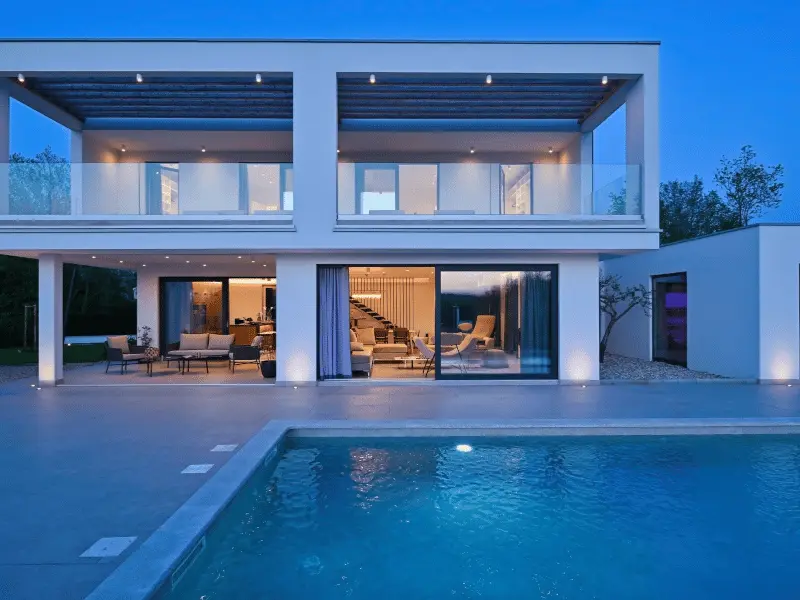
Housing projects range from basic packages, such as AED 10,000 for small apartments, to AED 35,000-40,000+ for full 3B projects; per-area pricing varies widely (approximately AED 75-600 per sq ft).
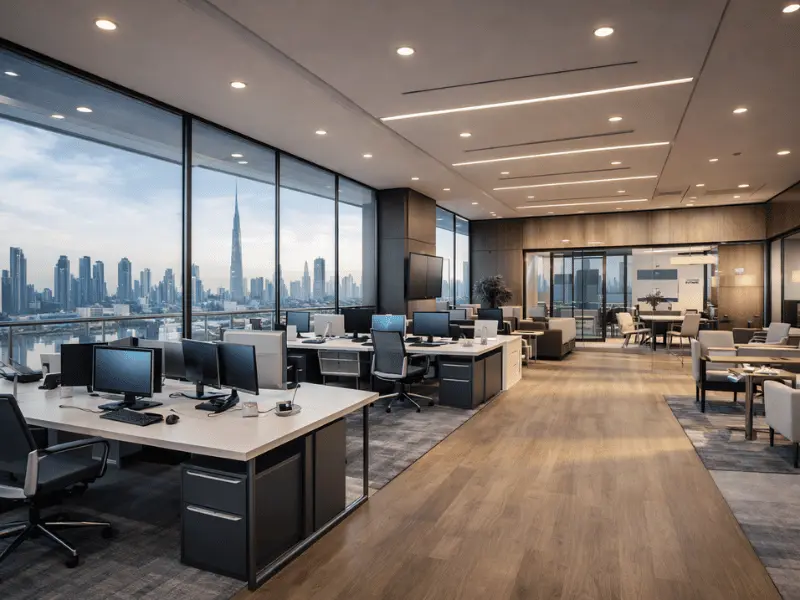
Commercial/office fit-outs are generally contracted on a per sq ft basis and can go much higher depending on finishes and MEP complexity.
1. The way designers charge in Dubai
Some of the billing methods used by designers and firms include:
- Per square foot/meter – Very common in residences and offices. The figures you will hear can vary widely: in budget projects, it can be lower (say, AED 75-150/sq ft); in medium-quality projects, AED 200-400/sq ft; and in up-market projects, AED 600/sq ft is not a problem. Such quantities can include design work, plans, and supervision, but not all materials. Market reports from real estate and construction consultancies such as CBRE UAE also highlight how project scale and finish quality directly affect overall renovation and interior budgets in Dubai.
- Percentage of project cost – Some designers charge a fee based on ~10–20% of the total project cost (including materials, labor, and furnished costs). While designer incentives are linked with project quality, designer charges will impact your choice of materials.
- Hourly rate – used for consultation work, small projects, or when unclear on scope. Highly variable, depending on level of experience.
- Fixed package/staged fees – designers can provide fixed quotes for a complete package, including concept and procurement, and fit-out, which can be helpful to clients who want fixed-price certainty.
When soliciting quotes, it is important to inquire about the inclusions for concept designs, BOQ, supervision, procurement of furniture and fittings, VAT charges where relevant, and after-work warranties.
2. Typical price ranges – realistic examples

These are illustrative ranges sourced from recent market reports in Dubai and official price lists to give you an idea of what you may need to budget. Variations will be wide.
- Small studios/ patchwork makeovers: AED 10,000–25,000.
- 1-2 bedroom apartments: AED 25,000-60,000 for a medium renovation/fit-out (depending on materials and if any structural work is necessary).
- 3BHK apartment/average villa: AED 35,000-250,000+ based on customization—Many companies will give a starting price offer in AED 35k-40k for a 3-bed setup, including design, supervising, and delivery.
- Per area benchmarks: Typically, per area advice may go from AED 75-400 per sq ft for residential projects, with commercial fit-outs estimated at AED 150-700 per sq ft or higher for higher-end offerings. (Rates per square meter will be the same but in metric.)
Remember: sometimes—or always—the quoted per-area pricing does not include joinery, fixed furniture, appliances, specialized MEP work, or imported finishes—these things cost money.
3. What drives the Interior design cost in Dubai – up and down?
Knowing how interior design fees in Dubai work will allow you to manage your expenses:
- Scope of work (decor only vs full demolition + MEP) — structural and MEP work is expensive.
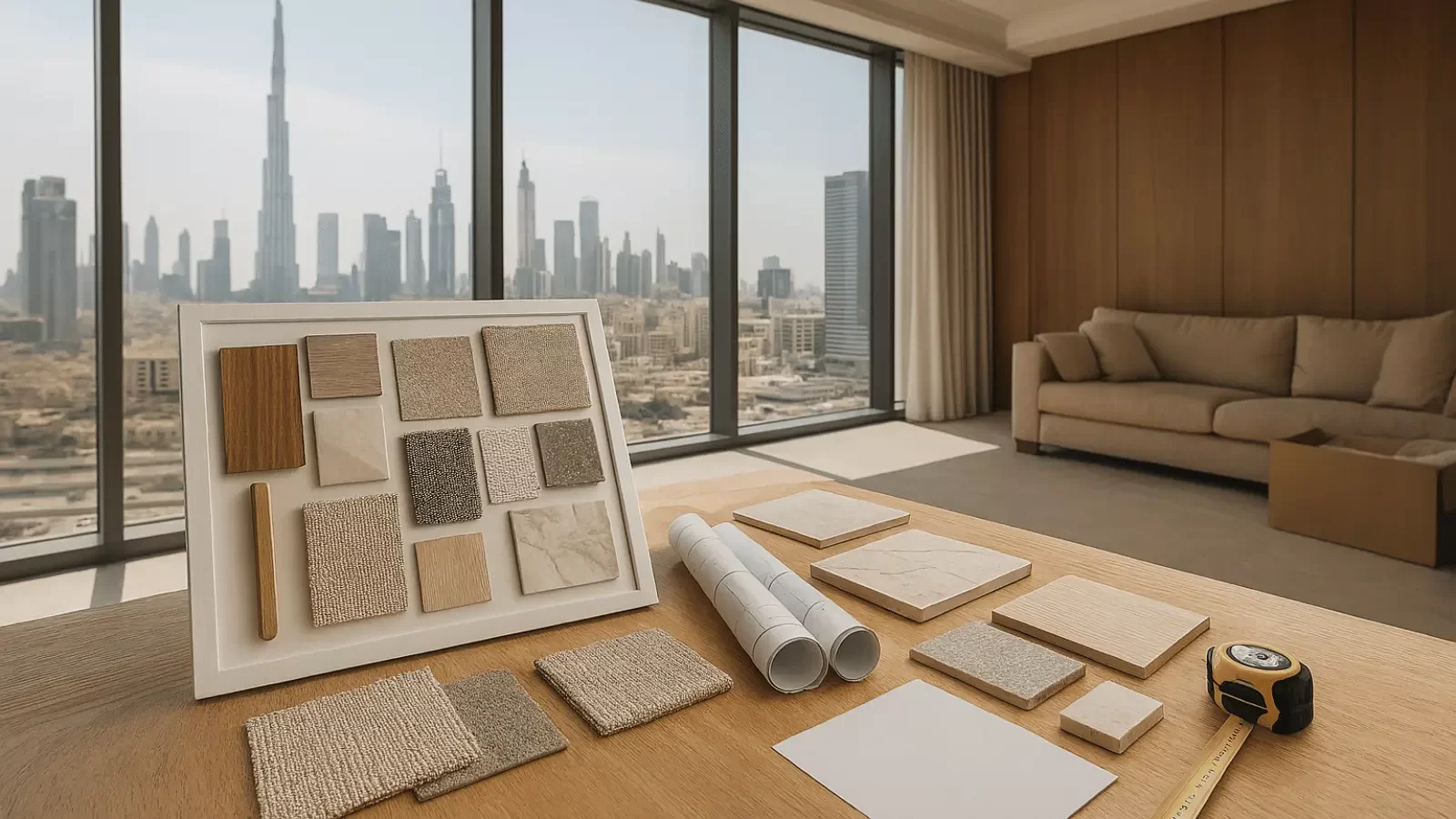
- Materials & finishes – imported stone, custom cabinets, and specialty lighting greatly increase expenses. Volatility in market pricing (import pricing) can quickly change the estimate.
- Project size – larger projects will receive per-area discounts, but very small projects may have a higher cost/square foot due to overheads.
- Designer reputation & team – established studios command higher pricing, but junior designers can be more budget-friendly but less competent in project management.
- Location & permits – projects in upmarket Dubai locality tend to have higher logistical & permit expenses.
4. Affordable vs cheap – What’s the difference?
Often, people search for “affordable interior design dubai” or “cheap interior design dubai”. A large gap exists between these two searches because:
- Affordable can mean smart decisions – good designers, sound specs, value engineering, and trade discounts. Quality within a reasonable budget.
- Cheap usually involves a cost where materials, quality, or attention are compromised in some way.
“Value packages,” or a phase of necessary work and subsequent non-essential projects, will cover your budget goal. Additionally, a complete BOQ will allow you to trade work in order to stay within budget.
5. Ways to compare quotes and identify surprises
When you get proposals, you can compare them in this way:
- Breakdown: You want a breakdown of your BOQ in terms of: materials, joinery, appliances,
- Exclusions: What is not included (appliances, taxes, lift charges, permit cost, etc.).
- Payment schedule: Milestones & retainers (no massive payments without a commitment).
- Warranty & aftercare: Who does repairs and how long for.
- Timeline & liquidated damages: Timelines tied to penalties to protect you from excessive delays.
Referring to a contractor’s references or taking a look at their previous work can go a long way in validating
6. Negotiation & Saving Strategies
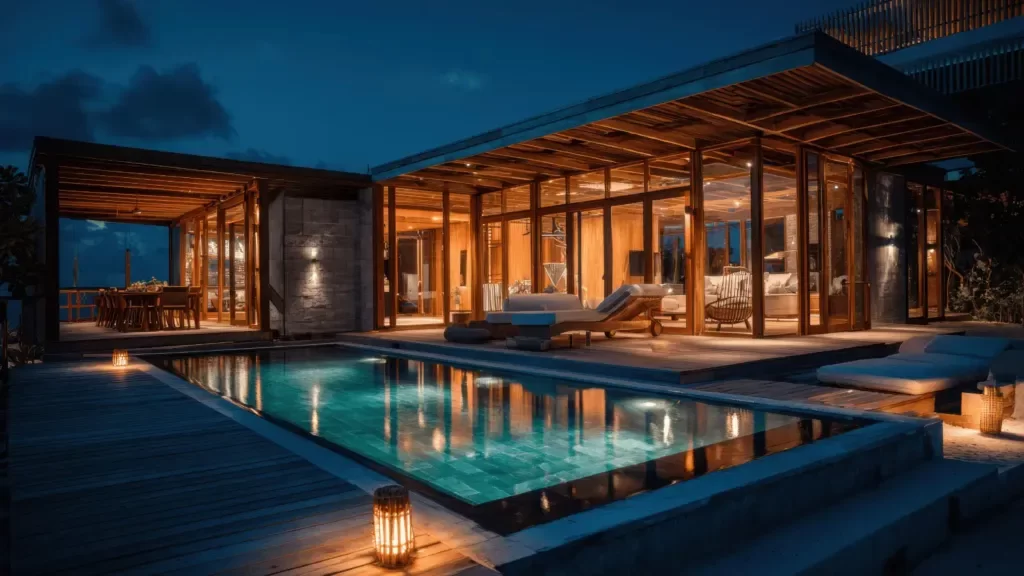
Want to lower interior design fees in Dubai without sacrificing quality? Here are your options:
- Bulk purchase & trade discounts – designers may have trade discounts; they can purchase on your behalf in order to get discounts.
- Make standard sizes – custom joinery is pricey. Custom joinery is not economical.
- Phased approach – do the basic rooms first.
- Locally available materials – Use them where possible.
- Transparent Procurement – if you want to see how everything is happening, you have to demand cost-plus procurement. That is, the designer buys items at cost plus a negotiated fee.
7. Timeline expectations
A renovation project in an apartment requires 4-8 weeks. Complete fit-out jobs (villas, commercial fit-outs) will require 8-24+ weeks. One must always allow for delays in imports if any goods are imported. Suppliers may retract quotes in the event of market fluctuations.
8. Final checklist before you hire
- Request at least three quotes and compare the BOQs.
- Request a detailed contract concerning scope, payment schedule, and defects liability period.
- Identify where permits and approvals are processed.
- Request a project timeline with milestones.
- Request a copy of a sample contract and review the clauses on cancellations and variations.